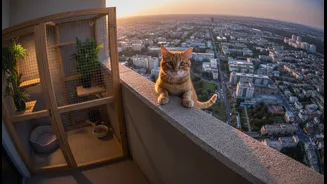









The High-Rise Risk
The most obvious and severe danger is falling, a risk so common with cats it has been termed "high-rise syndrome." Cats are adept jumpers and climbers, but a moment of distraction, a startled reaction to a loud noise, or a misjudged leap after a bird
can lead to a tragic fall. Dogs are also at risk, especially smaller breeds that can squeeze through railing gaps or athletic dogs tempted to leap over barriers. Even if a fall is not fatal, it can result in broken bones, internal injuries, and significant trauma. Beyond falls, other hazards lurk. Pets can get their heads or limbs stuck in railings, suffer burns from hot grills, or be exposed to toxic plants like lilies and tulips that are commonly kept on balconies.
Is Your Balcony Really Safe?
Even a balcony that seems secure might not be. Pet safety experts advise that railings should have gaps no wider than a few inches, and many standard apartment railings are too wide. For cats, railings need to be fully enclosed from floor to ceiling, as they can easily climb or jump over shorter barriers. Pet-proofing is a crucial first step. This includes installing durable, chew-proof netting or plexiglass panels to secure the entire area. It’s also vital to remove any furniture near the edge that could be used as a launchpad and to ensure all plants are non-toxic to your specific pet. However, even a fortified balcony requires constant supervision; pets should never be left unattended.
More Than Just Physical Safety
A balcony fails to provide the true enrichment that pets need. It offers limited sensory stimulation compared to a walk or time in a park. A dog needs to sniff, explore different terrains, and engage their mind, which a small, static concrete slab cannot offer. For a cat, while the sights and sounds may be interesting, a balcony doesn't allow for natural behaviours like scratching, stalking, and exploring varied environments. Furthermore, leaving a pet on a balcony exposes them to extreme weather, leading to heatstroke in summer or hypothermia in colder months, even if the weather seems mild. This isolation can also lead to anxiety and stress.
The 'Catio': A Superior Solution
For cat owners, a "catio" (cat patio) is a far safer and more enriching alternative. A catio is a fully enclosed structure that allows cats to experience the outdoors without the risks. These can range from simple window boxes to elaborate, custom-built enclosures on a balcony or patio. Catios provide protection from predators, traffic, and falls, while giving cats a space to climb, play, and observe nature. They offer crucial mental and physical stimulation, helping to prevent boredom and stress-related behaviours that can occur in indoor-only cats. Adding perches, ramps, and cat-safe plants can turn a simple catio into a stimulating paradise.
Safe Alternatives for All Pets
For both cats and dogs, there are better ways to provide outdoor time. Leash-training is an excellent option for many cats and small dogs, allowing for controlled exploration of parks or quiet neighbourhood streets. Always use a secure, well-fitted harness, never just a collar. A pet stroller can also be a safe way for smaller or older pets to enjoy the fresh air with you. For dogs, regular walks are non-negotiable for both physical exercise and mental stimulation. Sniffing walks, where your dog is allowed to lead the way and explore scents, are incredibly enriching. Visits to secure, fenced-in dog parks provide a great opportunity for safe off-leash play and socialisation.
Don't Forget Indoor Enrichment
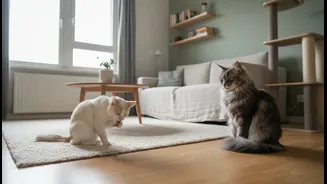
A fulfilling life for an apartment pet isn't just about the outdoors. Robust indoor enrichment is essential to keep your pet happy and healthy. Puzzle feeders and snuffle mats turn mealtime into a fun challenge that engages their brain. Interactive toys like wands for cats and ropes for dogs strengthen your bond and burn energy. Creating vertical spaces with cat trees or shelves allows felines to survey their territory, a natural behaviour. Rotating toys every few days keeps them feeling new and exciting. Even short, positive training sessions can provide significant mental stimulation and prevent boredom.