




Why Short, Intense Workouts Work
The secret to a fast and effective workout isn't about the duration, but the intensity. High-intensity interval training (HIIT), which involves short bursts of all-out effort followed by brief recovery periods, can deliver significant cardiovascular and metabolic
benefits in a fraction of the time of a traditional workout. Research shows that even a few minutes of vigorous activity daily can drastically improve health markers. These short sessions are not only efficient but also easier to stick with. When a workout is convenient and less time-consuming, you are more likely to make it a consistent habit, which is the true key to long-term fitness.
The Warm-Up: 3 Minutes to Prep
Never skip a warm-up, even for a short routine. It prepares your muscles for exercise, increases blood flow, and reduces the risk of injury. Spend about 30 seconds on each of these dynamic movements to get your body ready. March on the Spot with Arm Swings: Lift your knees high while swinging your arms to get your heart rate up. Arm Circles: Extend your arms to the sides at shoulder height and make circles, reversing direction halfway through. Hip Circles: With hands on your hips, make wide circles to loosen up your lower back and hip joints. Leg Swings: Holding onto a wall or bedpost for balance, swing one leg forward and backward, then side to side. Repeat on the other leg.
The 14-Minute Full-Body Circuit
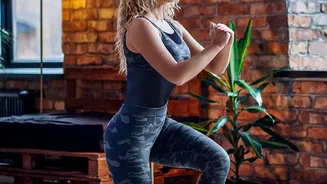
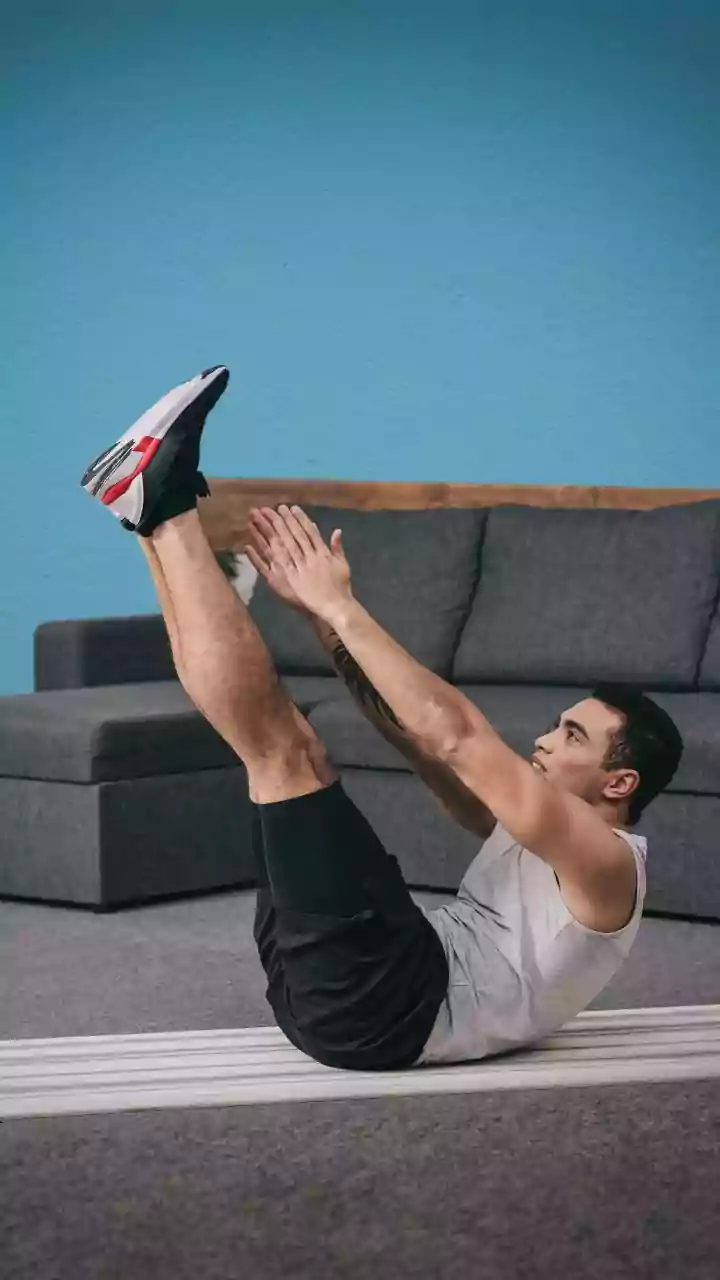
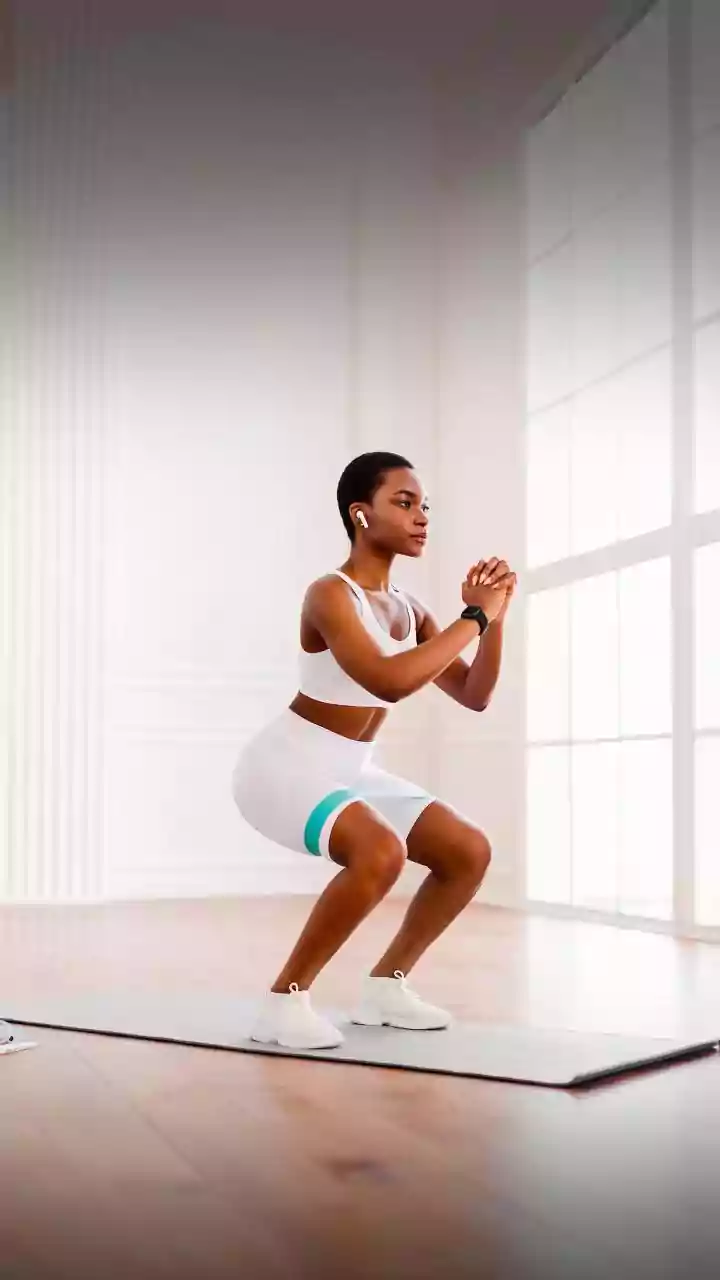
This circuit is designed to hit every major muscle group using only your body weight. The structure is simple: perform each exercise for 45 seconds, followed by 15 seconds of rest before moving to the next. Complete two full rounds of the circuit. 1. Bodyweight Squats: Stand with your feet shoulder-width apart. Lower your hips back and down as if sitting in a chair, keeping your chest up. Push through your heels to return to the start. 2. Push-Ups: Place your hands slightly wider than your shoulders. Lower your body until your chest nearly touches the floor, keeping your back straight. Push back up. If this is too difficult, perform them on your knees. 3. Lunges: Step forward with one leg and lower your hips until both knees are bent at a 90-degree angle. Ensure your front knee is above your ankle. Push back to the starting position and alternate legs. 4. Plank: Hold a push-up position, but rest on your forearms instead of your hands. Keep your body in a straight line from head to heels, engaging your core. 5. Jumping Jacks: A classic cardio move. Start with feet together and arms at your sides, then jump your feet apart while raising your arms overhead. 6. Glute Bridges: Lie on your back with your knees bent and feet flat on the floor. Lift your hips off the floor until your body forms a straight line from your shoulders to your knees. Squeeze your glutes at the top before lowering back down. 7. Burpees: The ultimate full-body exercise. From a standing position, drop into a squat, kick your feet back into a plank, perform a push-up, jump your feet back to the squat position, and explode up into a jump.
The Cool-Down: 3 Minutes to Recover
A proper cool-down helps your heart rate return to normal gradually and can reduce muscle stiffness. Hold each of these static stretches for 30 seconds to improve flexibility. Standing Quad Stretch: Stand and pull one foot towards your glute, feeling the stretch in the front of your thigh. Hamstring Stretch: Sit on the floor with one leg extended straight and the other bent. Reach for the toes of your extended leg. Child's Pose: Kneel on the floor, sit back on your heels, and fold forward, resting your forehead on the floor with your arms extended. Chest Stretch: Stand in a doorway and place your forearms on the frame, stepping forward slightly to feel a stretch across your chest.
Tips for Hostel Fitness Success
To make your routine work, be mindful of your environment. Try to work out when your roommates are out to avoid being disruptive. Use a water bottle or a backpack filled with books for added weight during squats or lunges. Most importantly, stay hydrated and listen to your body. Regular exercise, even for just 20 minutes a day, helps manage stress and keeps you physically and mentally sharp during your travels and studies. Consistency is more important than intensity when you're just starting out.