

Seeing Through Time and Dust
To see 'primitive' stars is to look back in time. Because light takes time to travel, observing a galaxy billions of light-years away is like seeing it as it was billions of years ago. The challenge is that the early universe was filled with thick clouds
of cosmic gas and dust, which obscure visible light. Furthermore, as the universe expands, light from these distant objects gets stretched into longer, redder wavelengths—a phenomenon known as redshift. For the most ancient stars, this light is stretched all the way into the infrared part of the spectrum, which is invisible to human eyes.
Webb's Powerful Infrared Vision
This is where the JWST's genius lies. Unlike the Hubble Space Telescope, which primarily observes in visible and ultraviolet light, Webb is designed specifically to detect infrared light. This special capability allows it to accomplish two crucial things: it can peer through the dense dust clouds that hide nascent stars and planetary systems, and it can pick up the faint, redshifted glow from the universe's first stars and galaxies. It's like having a superpower that lets you see through walls to the hidden activity inside.
A Giant Mirror and a Super-Cool Shield
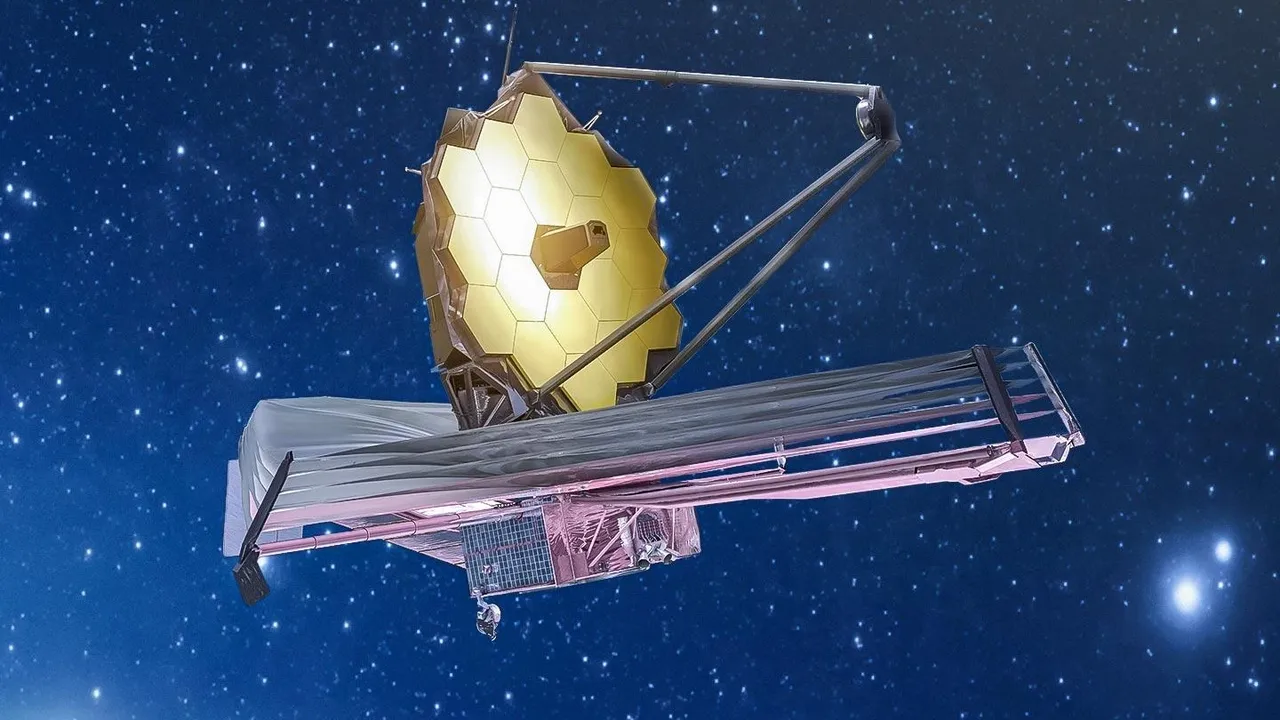
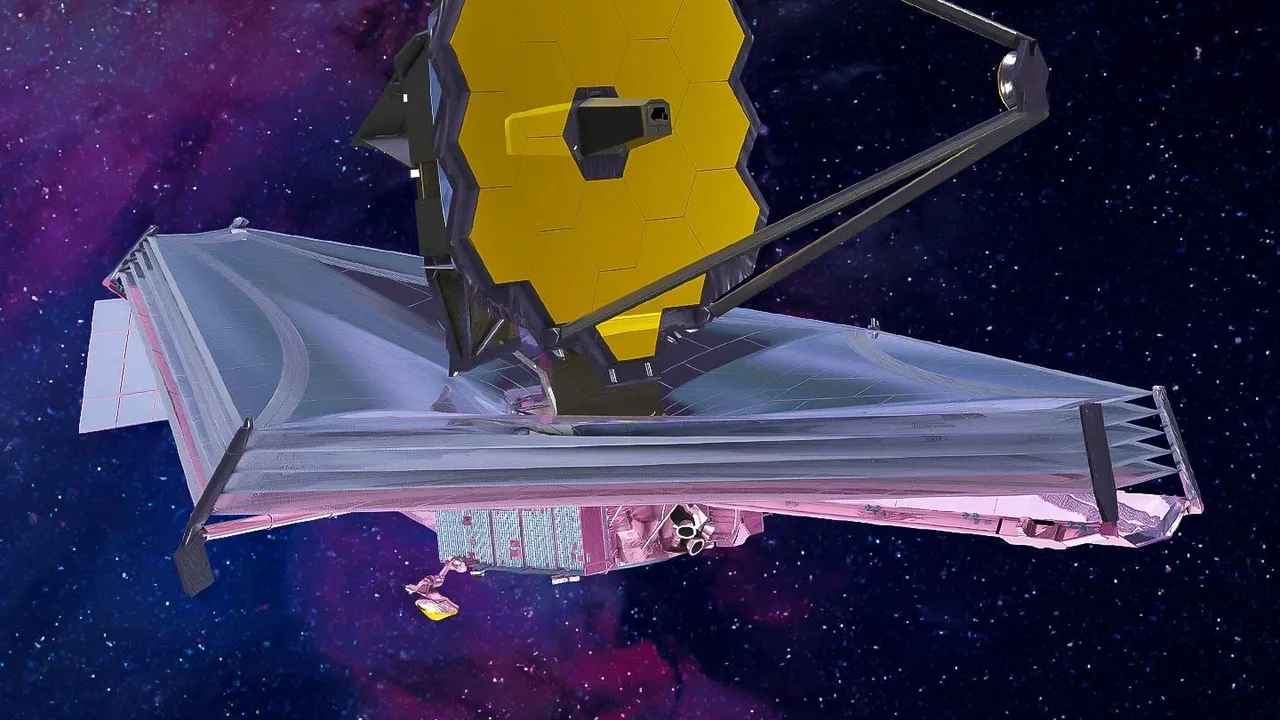
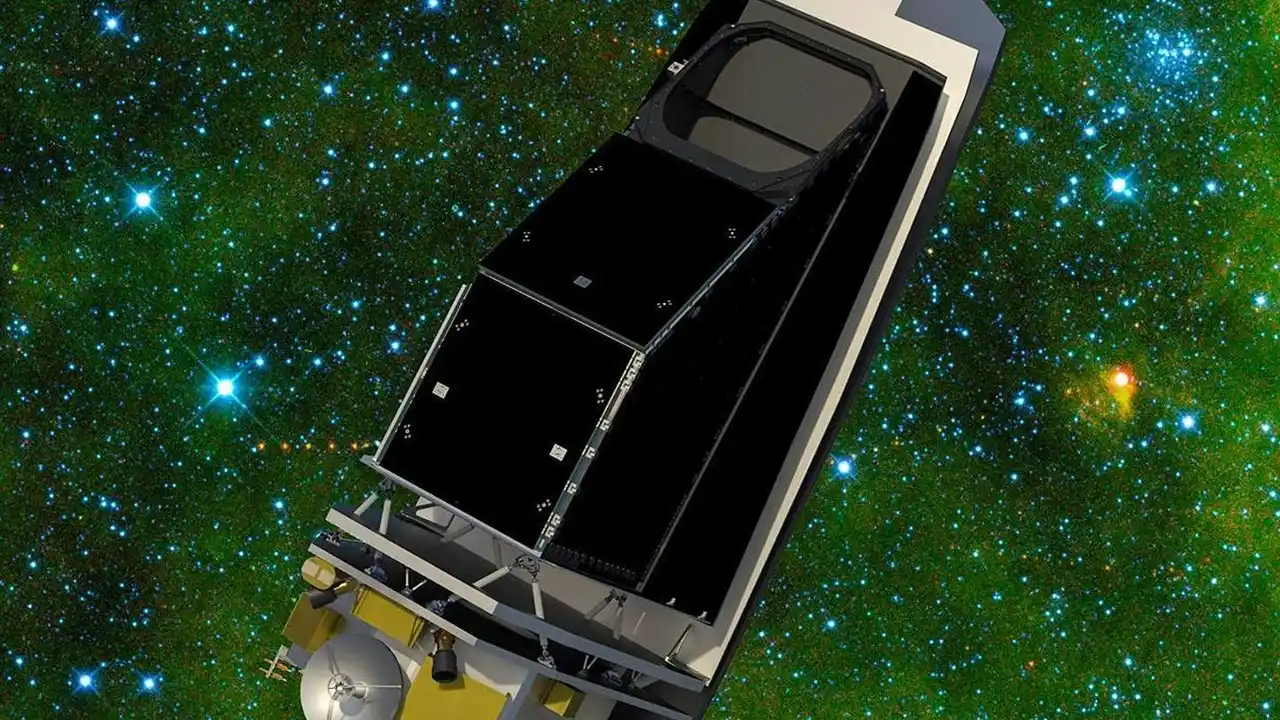
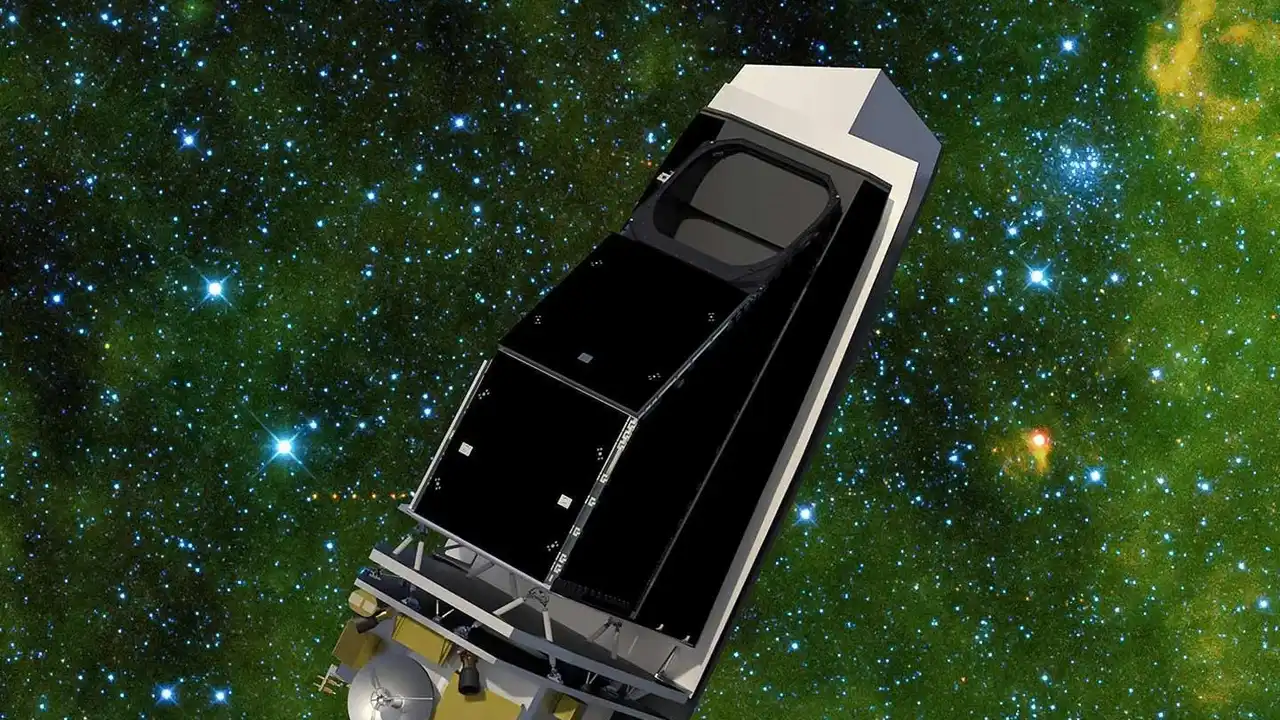
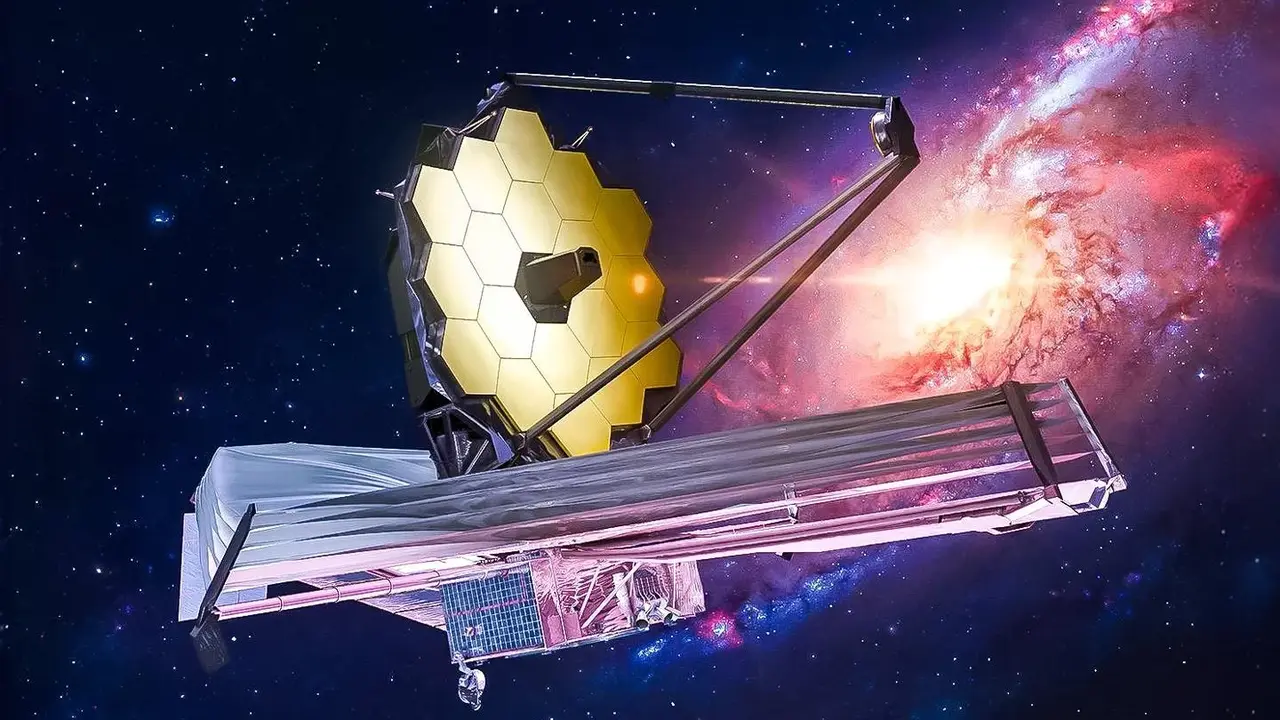
To capture this faint infrared light, you need a massive mirror. Webb’s primary mirror is over 6.5 meters across, composed of 18 hexagonal segments made of beryllium and coated in a thin layer of gold, which is excellent at reflecting infrared light. But collecting the light is only half the battle. Because infrared light is essentially heat, the telescope itself must be kept incredibly cold to avoid interfering with the signals it's trying to detect. This is accomplished by a five-layer, tennis-court-sized sunshield that protects the instruments from the heat of the Sun, Earth, and Moon, keeping the 'cold side' of the telescope at a frigid -220 degrees Celsius.
The Cameras Behind the Cosmic Scenes
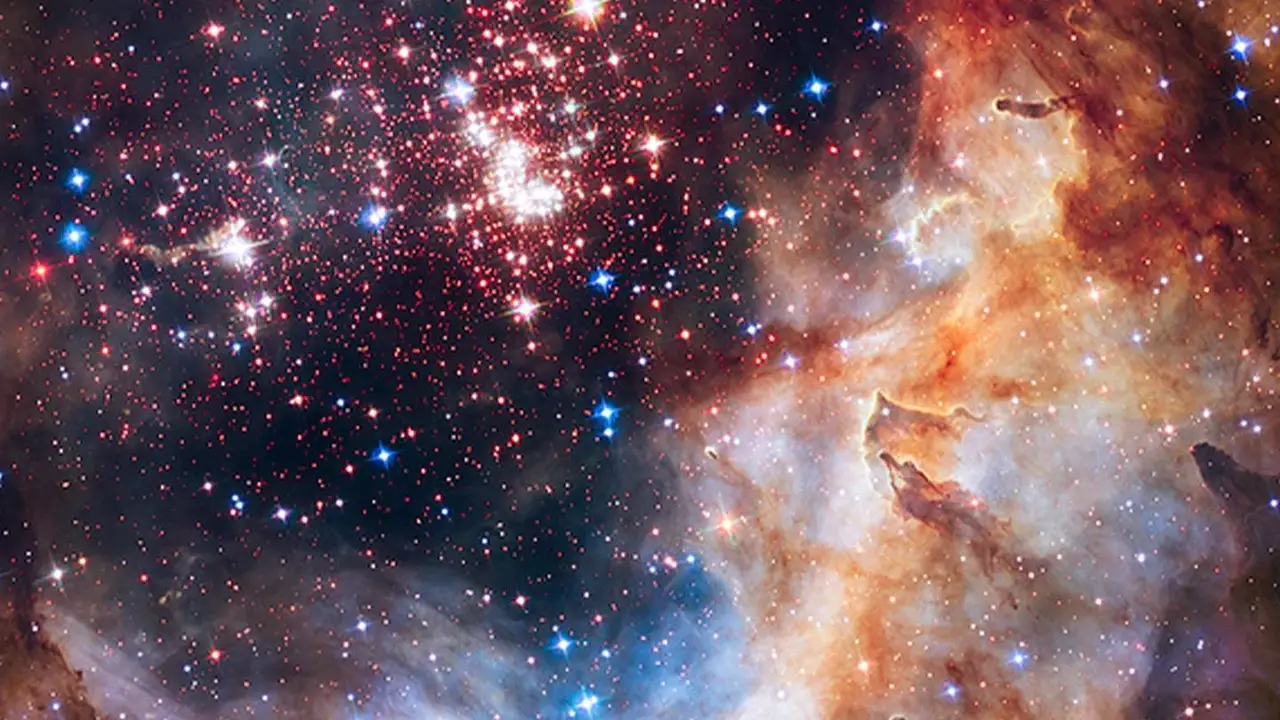
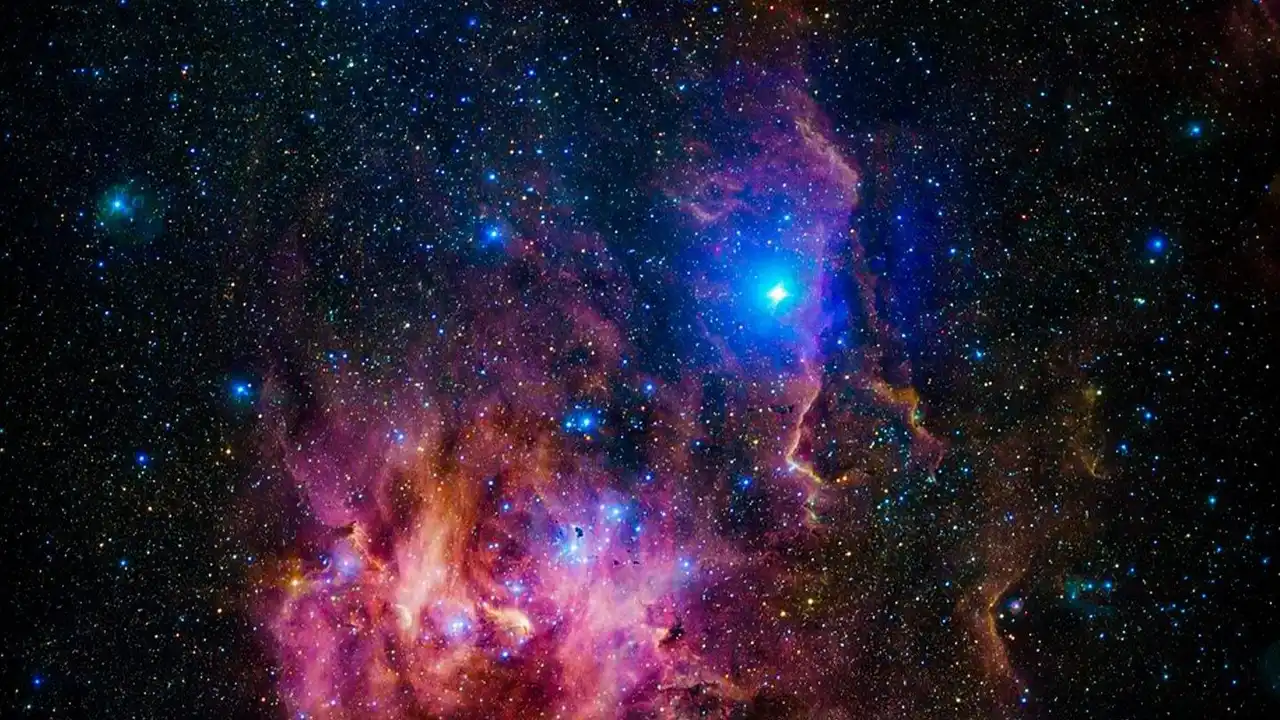
Once the mirror collects the light, specialized instruments get to work. The Near-Infrared Camera (NIRCam) is Webb's primary imager, responsible for capturing the high-resolution shots of early star formation. It detects light from the first stars and galaxies in the process of formation. Working alongside it is the Mid-Infrared Instrument (MIRI), which sees longer infrared wavelengths, revealing even cooler objects and glowing dust. Together, these instruments provide a comprehensive view of stellar nurseries, like the Carina Nebula or Rho Ophiuchi, showing young stars and their planet-forming disks in unprecedented detail.
Translating Data into Dazzling Art
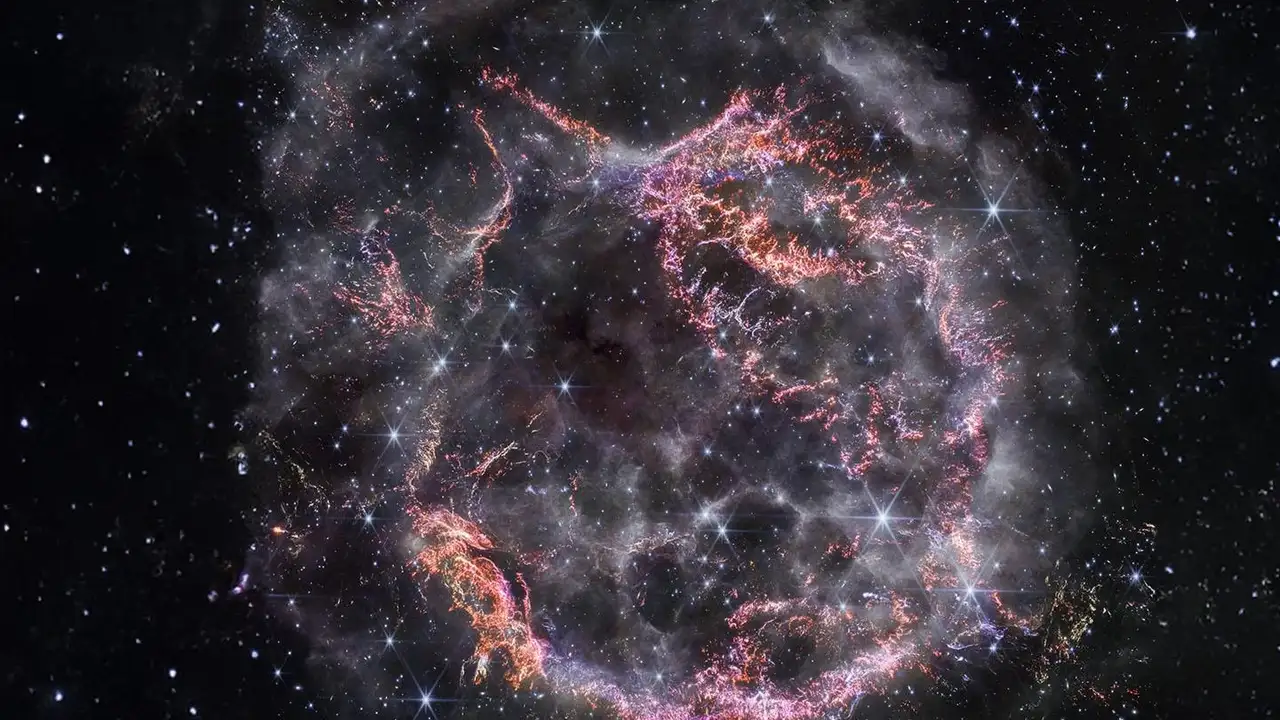
The images sent back to Earth don't start out as the vibrant cosmic vistas we see online. The telescope's detectors capture light in grayscale, taking multiple images of the same object using different filters. Each filter is sensitive to a specific wavelength of infrared light. Image processors at the Space Telescope Science Institute then take this data and assign visible colors—typically red, green, and blue—to the different infrared filter images. Conventionally, red is assigned to the longest wavelength and blue to the shortest. This 'representative color' process not only creates a stunning image but also highlights key scientific information, turning invisible heat signatures into a masterpiece of cosmic art.