



What Exactly Is Material Honesty?
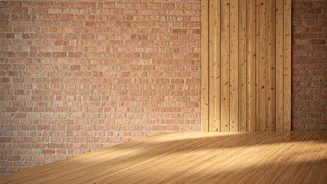
Material honesty is a simple but powerful principle: let materials be themselves. Instead of concealing a structural brick wall behind plaster and paint, you leave the brick exposed. Instead of covering a concrete beam, you celebrate its raw, textured
form. It’s the practice of using materials in a way that showcases their natural properties, imperfections and all. This isn't a new trend, but rather a return to an older wisdom, updated for today. It’s a reaction against the artificial and a move towards authenticity, where the story of how a space is built isn't hidden but becomes a core part of its beauty.
An Antidote to the Artificial
In an age of digital filters and virtual realities, there's a growing desire for something real. Material honesty in our homes provides a tactile, grounding counterpoint. The warmth of a real wood grain, the cool touch of stone, and the varied texture of handmade tiles offer a sensory richness that mass-produced finishes cannot replicate. This approach champions the 'imperfect'—the unique knots in a plank of wood, the slight colour variations in fired bricks, the patina that develops on a metal surface over time. These are not flaws; they are markers of authenticity, telling a story and giving a space a soul that a perfectly uniform, plastic-coated surface never can.
The Sustainable and Healthy Choice
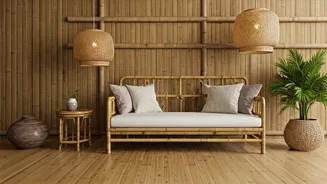
The push for material honesty aligns perfectly with the growing need for sustainability. Using local, natural materials like brick, stone, and bamboo often reduces the carbon footprint associated with manufacturing and long-distance transport. Many conventional modern materials, like veneers and laminates, rely on formaldehyde-heavy adhesives and release volatile organic compounds (VOCs), which can compromise indoor air quality. Opting for solid materials and low-VOC finishes creates a healthier living environment. Furthermore, honest materials are often more durable and age more gracefully than their synthetic counterparts, reducing the cycle of replacement and waste.
A Nod to Indian Tradition
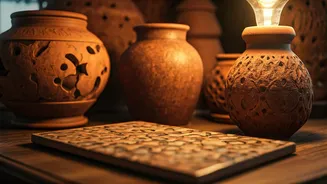
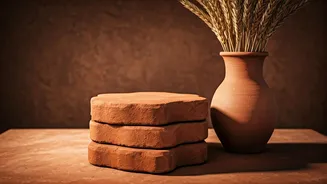
While it may seem like a modern, minimalist trend, the use of undisguised local materials has deep roots in traditional Indian architecture. From the exposed laterite of Kerala homes to the stone courtyards of Rajasthan and the widespread use of brick and terracotta, Indian vernacular design has always celebrated materials for what they are. Today, architects and designers are reinterpreting this legacy, blending traditional craftsmanship with contemporary forms. A home with exposed brick walls, polished concrete floors, and jute rugs feels both modern and deeply connected to a long-standing Indian design ethos.
Bringing Honesty into Your Home
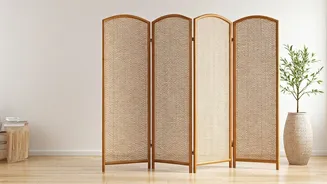
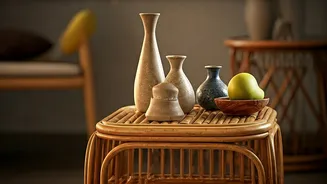
Embracing material honesty doesn't require a complete architectural overhaul. It can start small. Consider creating a single accent wall of exposed brick instead of painting it. When choosing furniture, opt for pieces made of solid wood rather than particleboard with a wood-effect laminate. Choose natural fabrics like cotton, linen, and jute for furnishings. While porous surfaces like raw brick or concrete might seem daunting to clean, they can be sealed to protect them from dust and moisture without hiding their texture. The goal isn't rustic purity at all costs, but a more mindful approach to the textures and substances we choose to live with.