



The Agony of a Soggy Fritter
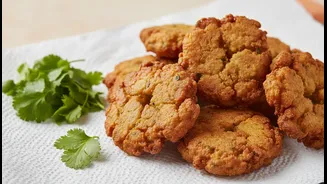
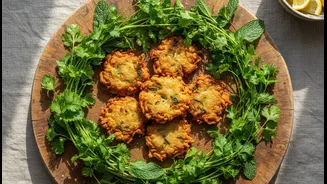
There are few kitchen disappointments as acute as a soggy fritter. You envisioned a golden, crunchy exterior giving way to a soft, savoury interior. You imagined the satisfying crunch, the perfect bite. Instead, you have a limp, oil-logged patty that
feels more boiled than fried. This is a common tragedy, especially for busy home cooks who value fresh ingredients but are short on time. Often, we blame the oil temperature or the batter consistency. While these are important, the real villain is often an overlooked, seemingly innocent component: water. Specifically, the water clinging to your fresh herbs and vegetables.
Water: The Enemy of the Crisp
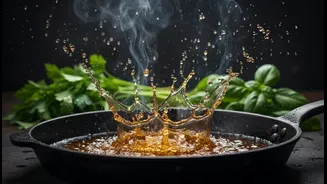
To understand why your fritters fail, we need to understand the science of frying. Frying is essentially a process of high-temperature dehydration. When food hits hot oil (around 175-190°C), the moisture on its surface instantly vaporises into steam, creating that signature sizzle. This rapid evaporation is what allows a dry, rigid crust to form. This crust is the foundation of crispiness. However, when excess water is introduced—say, from un-dried coriander leaves mixed into your batter—it wages war on your hot oil. Water's boiling point is 100°C, far below the ideal frying temperature. A flood of moisture causes the oil's temperature to plummet, preventing a proper crust from forming. Instead of flash-frying the surface, the fritter ends up steaming and slowly poaching in cooling oil, absorbing it and becoming greasy.
The Coriander Conundrum
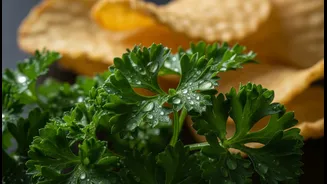
This brings us to the specific culprit named in the headline: coriander. For many Indian dishes, from pakoras to bhajiyas, fresh coriander is a non-negotiable flavour powerhouse. The modern, health-conscious cook is using it more than ever. But after washing the leaves to remove grit, the crucial next step is often skipped in a rush. Tossing damp coriander directly into your fritter batter introduces a surprising amount of water. Each wet leaf is a tiny water bomb, releasing steam inside the batter and preventing the formation of that crisp, golden-brown crust achieved through the Maillard reaction. It doesn't matter how perfect your batter is; if it's laden with hidden water, you're destined for a soft, sad result.
The Path to Perfect Drying
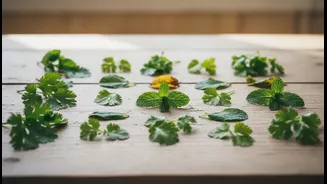
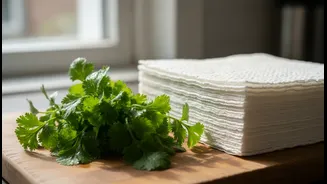
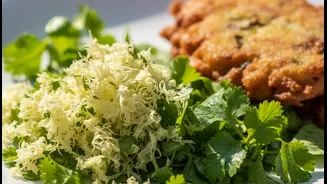
So, how do you ensure your herbs are perfectly prepped? The goal is to remove as much surface moisture as possible. The most effective tool is a salad spinner; a few quick spins will wick away the majority of water. If you don't have one, the paper towel method is your next best friend. After washing, lay the coriander leaves in a single layer on a paper towel, place another towel on top, and gently pat them dry. For an even better result, do this a little ahead of time and let them air-dry for a few minutes. Some chefs even suggest gently wrapping the washed herbs in a dry paper towel and chilling them in the fridge for 30 minutes, which both dries them and keeps them crisp. Whatever method you choose, the key is to be thorough. The leaves should feel dry to the touch before they are chopped and added to your mix.
This Rule Applies Everywhere
While we've focused on coriander, this principle applies to all high-moisture ingredients in fritters. Vegetables like zucchini, spinach, and onion are notorious for releasing water and turning fritters soggy. This is why many recipes call for salting grated zucchini and squeezing out the excess liquid in a clean cloth or paper towel before mixing it into the batter. By taking the extra five minutes to properly dry all your 'wet' ingredients, you are giving your fritters a fighting chance. You are ensuring the oil temperature stays high and stable, allowing the science of crispiness to work its magic. It is the single most important step for achieving that elusive 'fritter crispness precision'.