

The Soul of the Saree
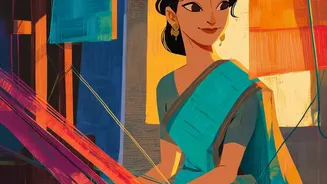
The secret to the handloom saree's dual personality lies in its very creation. Unlike machine-made fabrics, a handloom saree is woven by skilled artisans, with every thread passing through human hands. This process imbues the fabric with a unique character—slight,
beautiful imperfections and a texture that feels alive. Natural fibres like cotton, linen, and silk are breathable, skin-friendly, and drape with a grace that power looms struggle to replicate. This human touch and use of natural materials give handloom sarees a wide spectrum of expression, from the dense, heavy silks of Kanjeevaram to the airy, almost translucent cottons of Bengal. It is this range, born from centuries of regional craftsmanship, that allows the saree to be whatever you want it to be.
The Art of Understatement
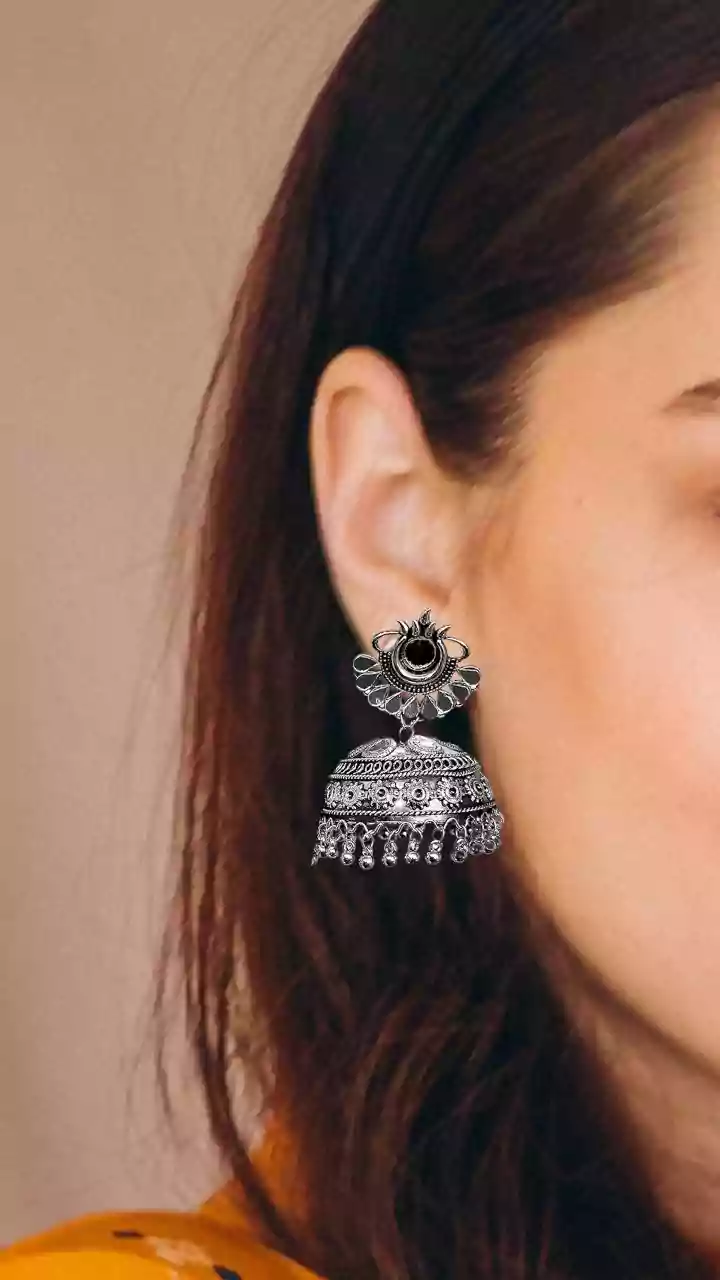
For the minimalist, the beauty of a handloom saree is in its texture and simplicity. Think of lightweight cottons from Bengal, crisp linens, or the sheer grace of a Chanderi or Kota Doria. These sarees excel in understated elegance. Styling for a minimalist look is about letting the fabric speak for itself. A classic approach involves pairing a simple cotton or linen saree with a well-fitted blouse in a solid, complementary colour. Muted and earthy tones—like indigo, off-white, rust, and soft greys—work exceptionally well, allowing the weave to be the main focus. Accessories should be subtle: a pair of small jhumkas, a simple silver chain, or delicate terracotta jewellery. The goal is to create a look that feels effortless, comfortable, and polished, perfect for office wear, a casual brunch, or everyday chic.
Draped in Drama
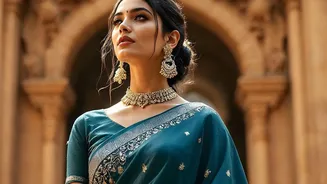
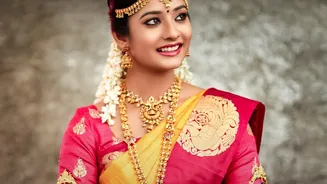
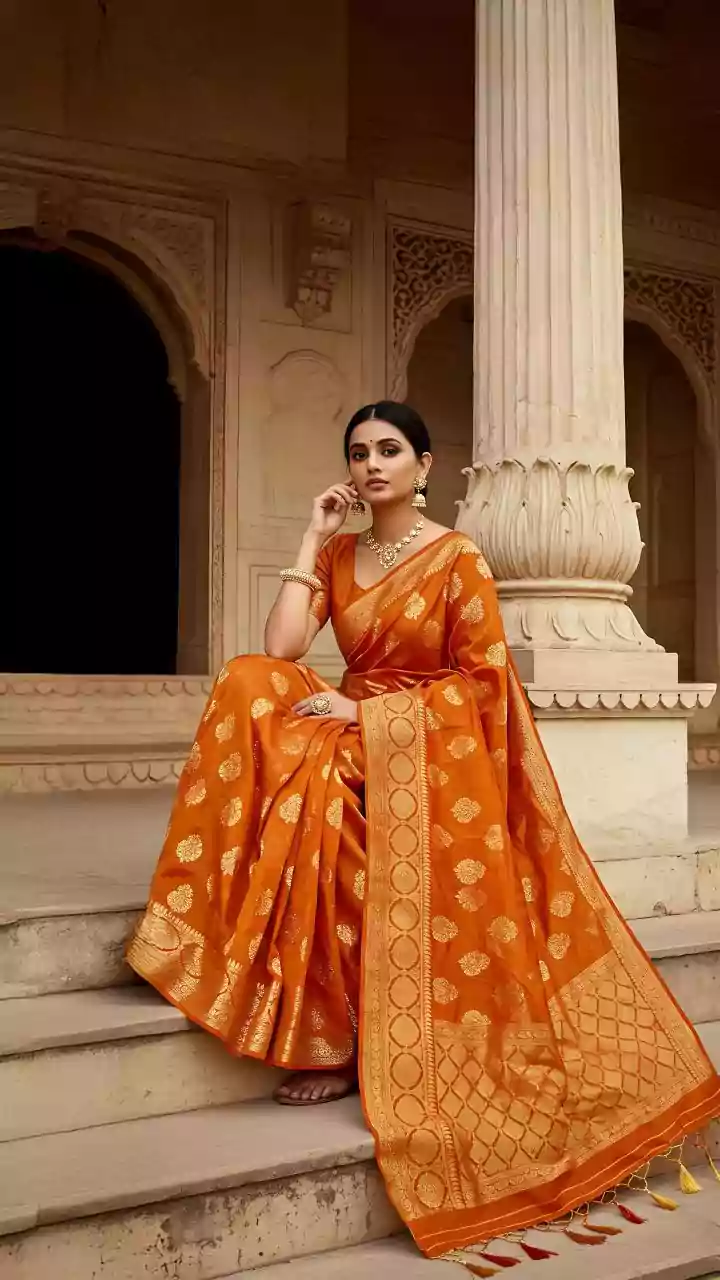
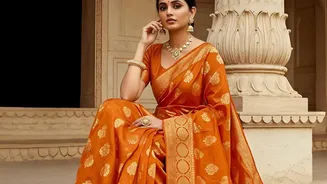
On the other end of the spectrum, handloom sarees are masters of the grand statement. For weddings, festivals, and major celebrations, women have traditionally turned to opulent weaves that command attention. The most famous examples include Banarasi silks, renowned for their intricate gold and silver brocade work, and Kanjeevarams, known for their heavy mulberry silk, vibrant colours, and contrasting borders. Weaves like Paithani, with their colourful peacock motifs, and Patola, with their complex geometric patterns, also create a spectacular visual impact. Styling a statement saree involves embracing its grandeur. This is the time for bold temple jewellery, layered necklaces, and striking blouses in rich fabrics like brocade. The drape itself can be more elaborate. A classic Nivi drape with a long, flowing pallu showcases the intricate work on the saree's end piece. The entire look is a celebration of heritage, craftsmanship, and unapologetic glamour.
One Saree, Two Personalities
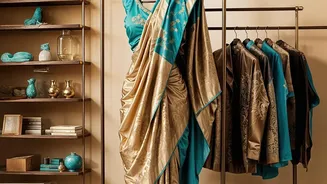
The true test of versatility is when a single saree can cross the divide between minimalist and statement. Many handloom varieties, such as Tussar silk, Maheshwari, or even a simple silk-cotton, possess this chameleon-like quality. A plain Tussar silk saree, with its natural golden sheen and textured feel, can be styled minimally with a simple cotton blouse and a single piece of jewellery for a sophisticated daytime look. The very same saree, when paired with a heavy brocade blouse, a statement kundan necklace, and a more formal drape, transforms into an outfit fit for a wedding reception. The styling choices—from the blouse and accessories to the drape and makeup—are what unlock the saree's potential, allowing the wearer to dial the drama up or down as the occasion demands.