


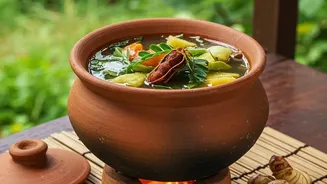
A Comforting Culinary Tradition
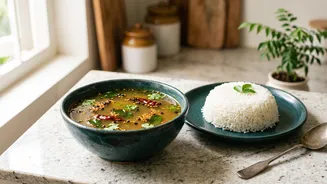
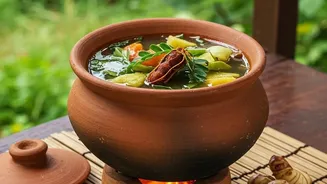
Rasam is a cornerstone of South Indian cuisine, a thin, soup-like preparation that is both a staple food and a trusted home remedy. For generations, it has been the go-to food for recovery from illness. Served with hot rice or sipped on its own from a tumbler,
rasam is celebrated for its ability to soothe, nourish, and heal. Its fluid consistency helps with hydration, while its blend of spices provides a host of benefits. At the heart of this culinary tradition, especially during flu season, is milagu rasam, or pepper rasam, a variant that leans heavily on the warming, pungent power of black pepper.
The Power of Pungent Pepper
Black pepper, the 'king of spices', is the star ingredient that gives pepper rasam its distinctive heat and medicinal prowess. The active compound in pepper, piperine, is known for its anti-inflammatory and antioxidant properties. When you're battling a cold or flu, pepper acts as a natural expectorant, helping to break down mucus and clear nasal congestion, making breathing easier. Its warming qualities can soothe a scratchy, sore throat and reduce coughing. Furthermore, piperine boosts the absorption of nutrients from other foods, making your body more efficient at fighting off infections.
Tamarind's Tangy, Healing Touch
The signature tangy flavour of rasam comes from tamarind, a tropical fruit that does more than just delight the taste buds. Tamarind is packed with vitamins and antioxidants, particularly Vitamin C, which is essential for a robust immune system. Its antioxidants help protect the body against the cellular damage caused by free radicals, a process that can be heightened during an illness. Traditionally, tamarind has also been used to aid digestion and act as a gentle laxative, which can be beneficial when your system is sluggish from being unwell. Some traditional uses even point to its ability to help reduce fever.
A Symphony of Supporting Spices
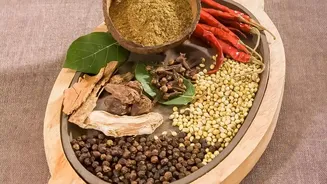
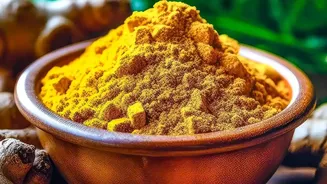
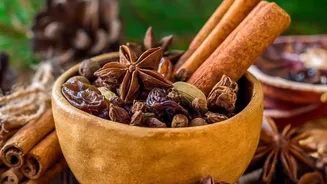
While pepper and tamarind are the lead performers, rasam's effectiveness comes from a whole orchestra of spices working in harmony. Cumin seeds, almost always paired with pepper, are known to stimulate digestive enzymes and reduce bloating. Garlic, often included in milagu rasam recipes, brings its own powerful antimicrobial properties to the table, helping to fight germs. A pinch of turmeric adds earthy flavour and its famed anti-inflammatory compound, curcumin, while a tempering of mustard seeds and curry leaves in ghee not only enhances the flavour but also contributes to the overall digestive benefits of the broth. This combination makes rasam genuinely therapeutic for colds and digestive distress.
Making Pepper Rasam at Home
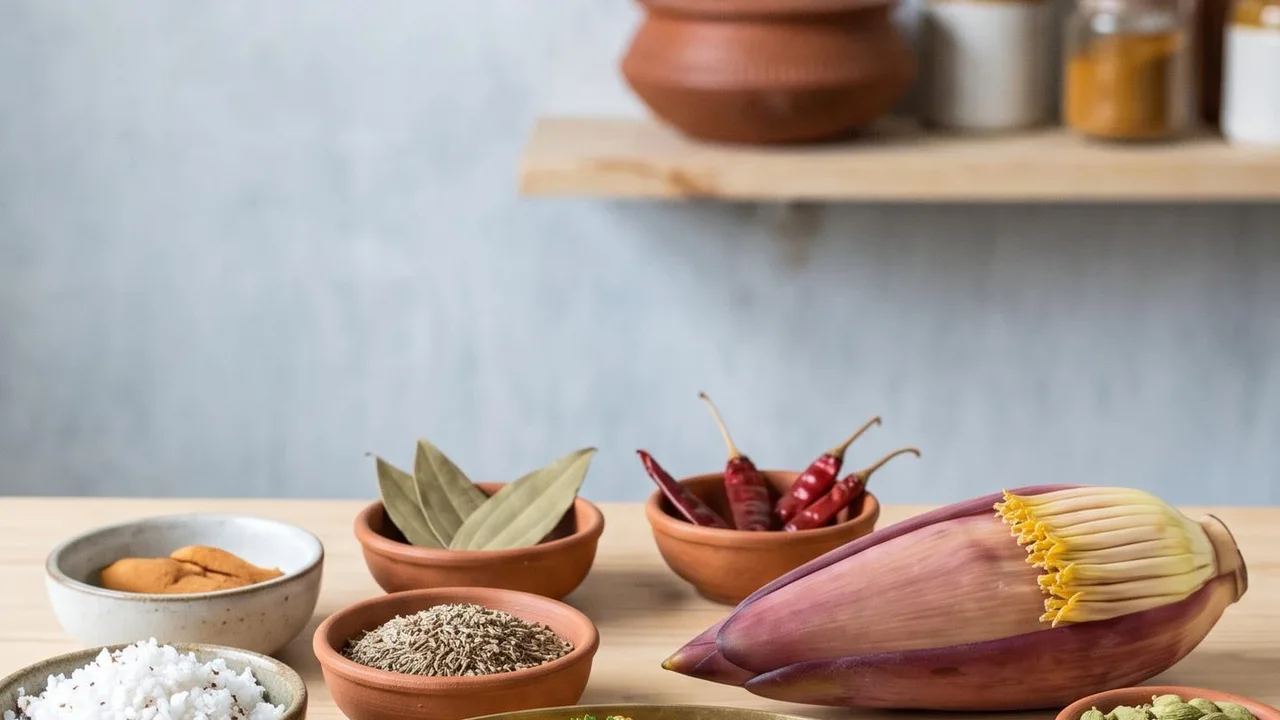
Creating this healing broth at home is simple and requires only a few staple ingredients. The process begins with creating a coarse powder of whole black peppercorns, cumin seeds, and a few cloves of garlic. Separately, a small ball of tamarind is soaked in warm water to extract its juice. The tamarind water is simmered with chopped tomatoes, turmeric, and salt until the raw smell disappears. Then, the freshly ground pepper-cumin-garlic mixture is stirred in with more water. The key is to heat the rasam gently only until a froth appears on the surface; it should never be boiled vigorously, as this can destroy the volatile aromatic oils of the spices. A final tempering of ghee, mustard seeds, and curry leaves is poured over the top, and it's ready to serve, garnished with fresh coriander.