






From Staple to Speciality
For generations, dairy in India was synonymous with basic nutrition. However, the market is transforming from a volume-based industry into one driven by value-added products that cater to specific health and lifestyle needs. This new wave of 'wellness
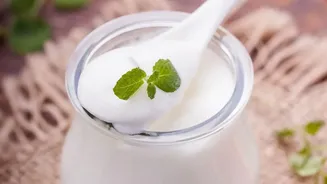
dairy' includes everything from milk fortified with extra vitamins and protein to options targeting digestive health. Key among these are A2 milk, which is perceived to be easier to digest, and a growing variety of probiotic products like kefir and fortified yogurts designed to support gut health. Simultaneously, the demand for lactose-free milk is rising, driven by greater awareness of lactose intolerance, which is believed to affect a significant portion of the Indian population.
The Modern Health-Conscious Consumer
This diversification is a direct response to a new kind of Indian consumer: one who is more urban, has higher disposable income, and is acutely health-conscious. The pandemic significantly accelerated the focus on immunity and nutrition, pushing consumers to actively seek out foods with functional benefits. People are no longer just buying milk; they are buying specific benefits, whether it's enhanced protein for fitness, probiotics for digestion, or organic options for perceived purity. This trend is particularly strong among urban millennials and Gen Z, who are influenced by global wellness movements and are willing to pay a premium for products that align with their health goals.
Market in Motion: Giants and Startups
The industry's response has been swift. Dairy giants like Amul and Mother Dairy are aggressively expanding their portfolios, launching protein-rich beverages, probiotic drinks, and other functional products. Amul, for instance, has seen its beverage portfolio, including protein shakes and buttermilk, grow substantially. Alongside these established players, a vibrant ecosystem of startups and niche brands has emerged. These newer companies often focus on specific segments, such as farm-fresh A2 milk or artisanal cheeses, using e-commerce and direct-to-consumer (D2C) models to reach customers in major cities. This dual movement of large-scale expansion and niche innovation is creating a highly competitive and dynamic market.
The A2 Milk and Lactose-Free Boom
Two of the fastest-growing segments are A2 milk and lactose-free products. The Indian A2 milk market, valued in the hundreds of millions of dollars in 2025, is projected to grow at a compound annual growth rate (CAGR) of nearly 20% in the coming years. This growth is fueled by claims that it is easier on the digestive system compared to conventional milk. Similarly, the lactose-free market is expanding at a steady pace. With a large percentage of the population estimated to have some degree of lactose malabsorption, brands are tapping into a massive, previously underserved market. However, the higher price point for these specialized products, due to complex processing, remains a challenge, limiting their reach primarily to urban consumers.
The Plant-Based Disruption
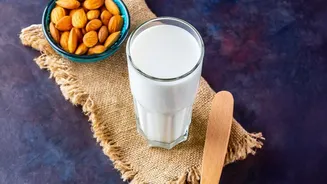
While not technically dairy, the rise of plant-based alternatives like almond, soy, and oat milk is an undeniable part of this diversification. These products compete for the same shelf space and consumer attention, appealing to vegans, the lactose intolerant, and those seeking variety. The Indian plant-based dairy market is projected to see significant growth, driven by the same health and wellness trends powering the innovation in traditional dairy. This has prompted some dairy companies to even explore hybrid products, acknowledging that the modern consumer's definition of 'milk' is becoming increasingly fluid.