


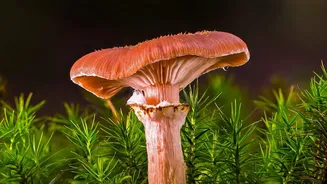
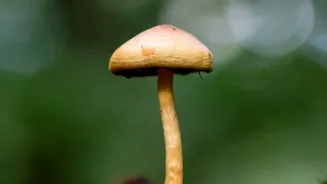
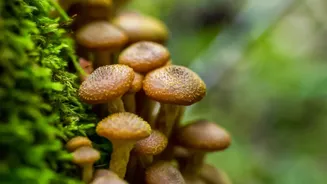
The Golden Rule: Source with Utmost Care
The single most important rule is to know where your mushrooms come from. Wild mushrooms that grow naturally during the monsoon can be especially risky because many poisonous varieties look nearly identical to edible ones. Experts unanimously agree: unless
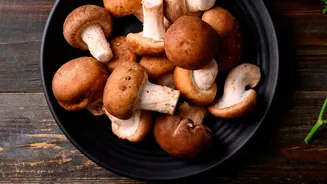
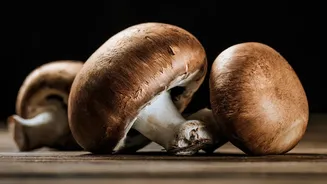
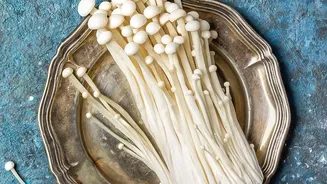
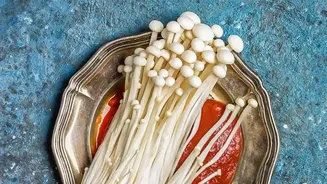
you are a trained mycologist, do not forage for wild mushrooms yourself. There are no simple 'home tests' to distinguish a safe mushroom from a deadly one, such as the infamous Death Cap (Amanita phalloides), which is responsible for the vast majority of fatal mushroom poisonings. Always buy your mushrooms from a reputable, trusted vendor or a well-maintained grocery store. Commercially cultivated mushrooms are your safest bet.
Inspect Before You Buy
Even when buying from a store, a careful inspection is crucial. Fresh, safe-to-eat mushrooms should feel firm, dry to the touch, and relatively clean. You should avoid any mushrooms that show signs of spoilage. Key warning signs include a slimy or sticky texture, dark or mushy spots, a strong or unpleasant smell, or any visible mould. The high humidity during the monsoon accelerates spoilage, making mushrooms highly perishable. If a mushroom looks collapsed, soggy, or has been damaged by insects, it's best to leave it. When in doubt, always discard it.
The Right Way to Clean and Store
Proper storage and cleaning are non-negotiable. Once you bring mushrooms home, refrigerate them as soon as possible, preferably in a paper bag which allows them to breathe. Avoid washing mushrooms until you are ready to cook them, as adding moisture will only speed up decay. When it's time to cook, do not soak them in water. Mushrooms are like sponges and will absorb excess liquid, which can make them soggy. Instead, use a soft brush or a damp paper towel to gently wipe away any dirt or debris. After cleaning, trim off any tough or woody parts of the stem.
Always Cook Thoroughly
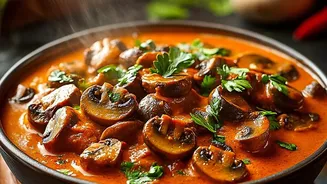
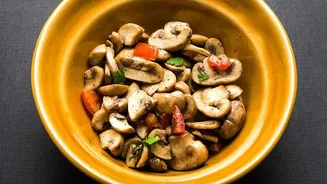
Never eat wild-sourced or foraged mushrooms raw. Cooking is a critical safety step that helps destroy many harmful microorganisms and can break down certain milder toxins, improving digestibility. A popular and effective method is the 'dry sauté'. Start by placing your cleaned, sliced mushrooms in a dry, non-stick pan over medium heat. The mushrooms will first release their water content. Once this liquid has evaporated completely, you can then add your oil or butter and other aromatics to fry them until golden brown. This ensures a better texture and flavour, as the mushrooms will absorb the fat rather than just boiling in their own juices.
Know the Symptoms of Poisoning
In the unfortunate event that someone consumes a poisonous mushroom, recognising the symptoms is vital for seeking prompt medical help. Early symptoms of the most common types of mushroom poisoning include nausea, violent stomach cramps, vomiting, and diarrhoea. These can appear anywhere from 20 minutes to several hours after ingestion. However, some of the most dangerous mushrooms, like the Death Cap, have a deceptive delay. A person might experience severe gastrointestinal distress which then seems to resolve after a day, but this is often followed by a relapse with severe liver and kidney damage that can be fatal. Other symptoms can include excessive sweating, visual disturbances, or confusion.