




Jamun: The Monsoon Superfruit
No fruit captures the essence of the Indian monsoon quite like the jamun, also known as the Indian blackberry or java plum. Its deep, inky purple colour and distinctively sweet, tart, and slightly astringent flavour are a nostalgic favourite for many.
Beyond its unique taste, jamun is considered a superfruit, rich in iron, vitamin C, and antioxidants that help boost immunity during a season known for infections. It is particularly celebrated for its benefits in managing blood sugar levels, making it a friendly choice for diabetics. When buying jamun, your eyes are your best guide. Look for fruits that are a deep purple or almost black, as this indicates ripeness and sweetness. They should have smooth, glossy skin and feel firm but yield slightly to a gentle press. Avoid any that look wrinkled, bruised, or are still reddish, as these will likely be sour or past their prime. Enjoy them fresh, perhaps with a pinch of black salt to enhance the flavour, or blend them into a vibrant smoothie.
Litchi: The Last Sweet Reminders of Summer
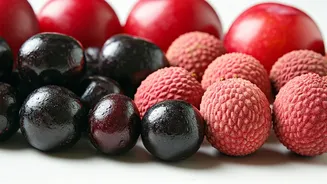
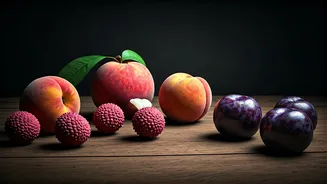
While the peak season for litchis is in May and June, you can often catch the last of these fragrant jewels in early July, especially from northern regions like Himachal Pradesh. It's a race against time, as this delicate fruit has a short shelf life. Known for its rough, pinkish-red skin and translucent white flesh, a perfect litchi is incredibly sweet, juicy, and aromatic. When selecting litchis, choose those with a vibrant red shell, a firm feel, and a fresh, floral scent. The skin should be intact, as breaks can lead to quick spoilage. If the shell is brown or dull, the fruit is likely old. Litchis are a good source of Vitamin C and their high water content makes them incredibly hydrating. They are best enjoyed fresh and chilled, peeled and eaten right away to savour their fleeting, precious flavour.
Peaches: Juicy Delights from the Hills
July brings with it fragrant and fuzzy peaches, or 'aadu', primarily from the cooler climates of India's hill states like Himachal Pradesh and Uttarakhand. These stone fruits are a monsoon favourite, celebrated for their juicy texture and sweet, delicate flavour. Peaches are packed with antioxidants and can help support digestion and skin health. A ripe peach is a sensory experience. Look for one that has a creamy, golden-yellow background colour and is fragrant even before you take a bite. It should yield slightly to gentle pressure, especially near the stem, but avoid fruits that are overly soft, mushy, or have green patches. Hard peaches can be left on the counter for a day or two to ripen. They are incredibly versatile and can be eaten fresh, grilled to bring out their sweetness, or sliced into salads and desserts.
Plums: The Sweet and Tangy Jewels
Plums, or 'aloo bukhara', are another star of the monsoon season. These stone fruits come in various shades of deep red, purple, and black, offering a delicious balance of sweetness and tartness. Thanks to their cultivation in Himalayan states, fresh Indian plums are readily available in July. They are known to be low in sugar and can aid in digestion. When choosing plums, look for fruit that is plump and has rich, uniform colour. A good plum should feel slightly soft when pressed gently, which indicates it's ripe and ready to eat. Avoid plums that are rock-hard or have bruises and soft spots. Their tangy flavour makes them excellent for making jams and chutneys, but they are equally delicious eaten fresh out of hand.
Phalsa: The Tiny Berry with a Big Punch
Often overlooked, phalsa is a tiny, dark purple berry that is a true hidden gem of the Indian summer and monsoon. Scientifically known as Grewia asiatica, this fruit delivers a unique sweet and sour flavour that is intensely refreshing. It's renowned for its cooling properties, making it a traditional choice for beating the heat, often crushed to make a tangy sherbet. Phalsa is a nutritional powerhouse, rich in antioxidants, vitamin C, and minerals. Studies suggest it can aid digestion, purify the blood, and regulate blood pressure. When shopping for phalsa, look for berries that are dark purple, plump, and soft to the touch, which are signs of ripeness. They are highly perishable, so they should be consumed quickly. Enjoy them as a snack or make the classic sherbet by blending the fruit with water, sugar, and a pinch of salt for a truly refreshing monsoon drink.