



From Hustle Culture to Healing
Millennials, often dubbed the 'burnout generation', are increasingly looking for escapes that offer more than just a temporary distraction. The constant pressure of hyper-connectivity and demanding careers has led to a profound shift in travel priorities.
Instead of chasing nightlife and packed itineraries, many are now seeking meaningful restoration. This has sparked a growing interest in wellness travel, not just for a simple spa day, but for deep, holistic healing. They are trading trendy hotspots for tranquil retreats, investing their time and money in practices that promise to mend both mind and body, and traditional Indian wellness systems are at the top of their list.
The Wisdom of the Monsoon
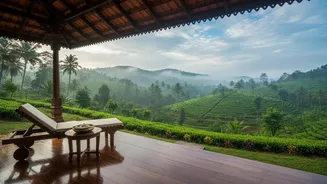
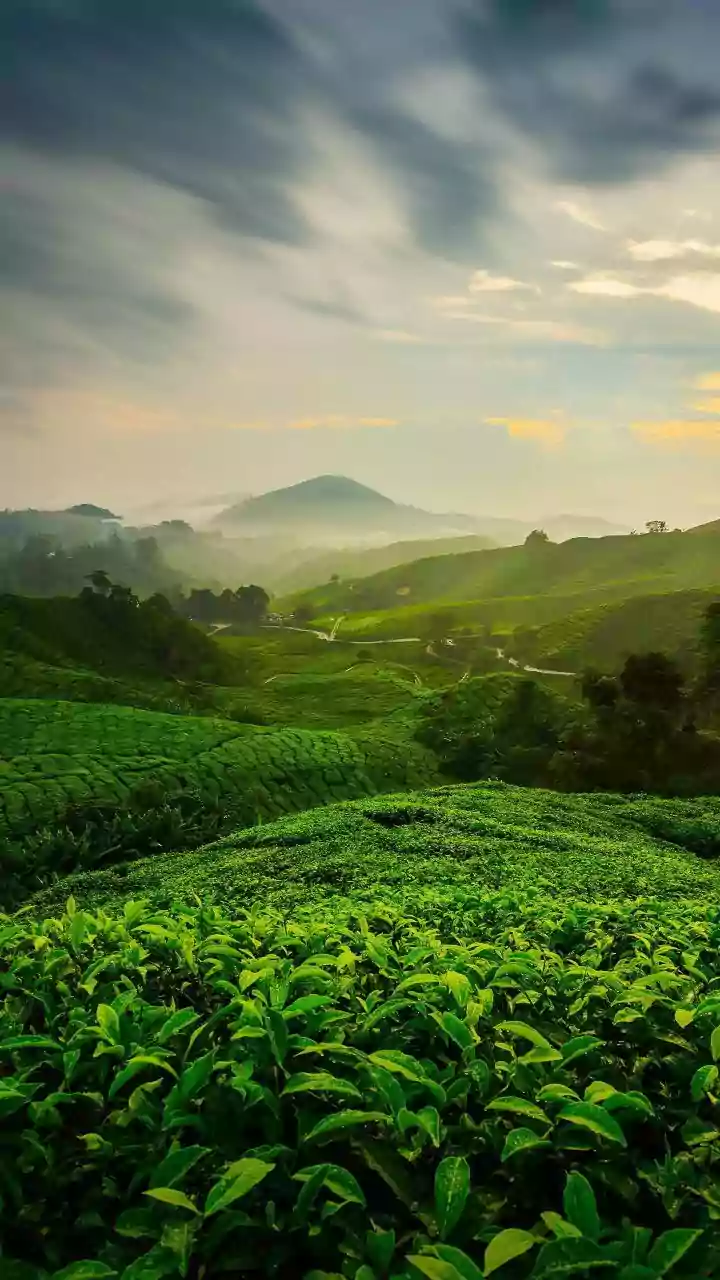
In Kerala, the monsoon, or 'Varsha Ritu', is not seen as an inconvenience but as the most potent time for healing. Ayurvedic tradition holds that during the rainy months, the body is at its most receptive. The cool, humid, and dust-free atmosphere helps to soften the skin and open up pores, allowing medicated oils and herbal treatments to penetrate more deeply into the body's tissues. This period, especially during the Malayalam month of 'Karkidakam' (typically July-August), is when the body’s digestive fire is considered weak, making it an ideal time for detoxification and strengthening the immune system. The entire environment conspires to create the perfect conditions for the body to cleanse, heal, and rejuvenate.
More Than Just a Massage
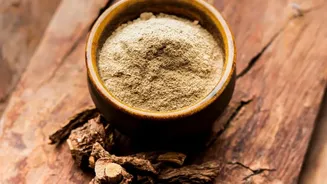
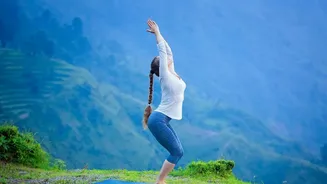
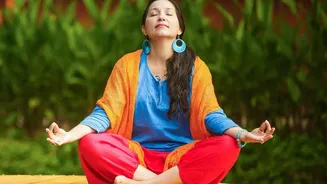
An authentic Ayurvedic retreat is far from a typical resort holiday. It is a comprehensive, medically-supervised immersion into a 5,000-year-old system of medicine. The journey begins with a consultation with an Ayurvedic doctor, or 'Vaidya', who assesses your unique constitution (dosha) to create a highly personalised treatment plan. This regimen often includes a series of detoxification therapies known as Panchakarma, designed to systematically remove accumulated toxins ('ama') from the body. Treatments like Abhyanga (a synchronised full-body massage with medicated oil), Shirodhara (a continuous stream of warm oil poured onto the forehead), and Swedana (herbal steam therapy) work to calm the nervous system, improve circulation, and restore balance. This is complemented by a prescribed Ayurvedic diet, yoga, and meditation to address wellness from all angles.
An Antidote to Digital Burnout
For millennials perpetually tethered to screens, an Ayurvedic retreat offers a much-needed digital detox. The focus shifts from external validation to internal awareness. Stripped of the constant pings and notifications, individuals are encouraged to reconnect with their own physical and emotional states. The structured, yet peaceful, environment of a retreat helps to combat the anxiety, sleep disturbances, and emotional fatigue that define modern burnout. It’s an opportunity to reset the nervous system, which is often in a state of chronic stress. By replacing screen time with mindful practices and nature-centric living, these retreats offer a powerful antidote to the pressures of the digital age.
An Investment in Long-Term Well-being
While a week or two at an Ayurvedic retreat is a significant investment, millennials increasingly view it not as an expense, but as a crucial investment in their long-term health. The goal isn't a quick fix but a lasting reset. The principles learned, from dietary adjustments to mindfulness practices, are designed to be integrated into daily life long after the retreat ends. In a world that glorifies being busy, choosing to slow down, listen to your body, and prioritise health is a radical act of self-care. For overworked millennials, the journey to Kerala's monsoon-drenched shores is more than a vacation; it's a pilgrimage back to themselves.