



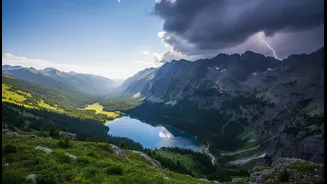


The Rain Shadow Secret
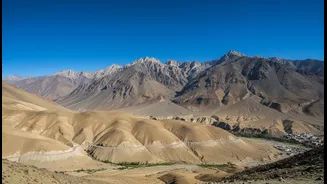
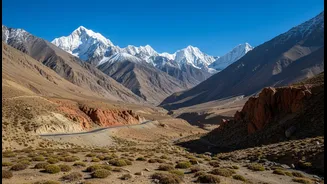
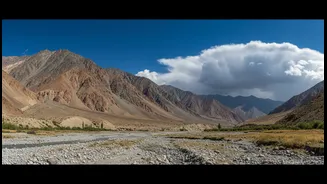
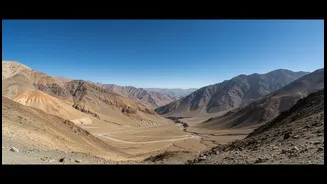
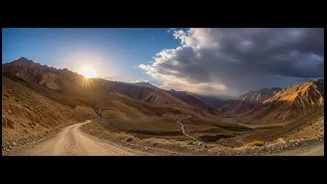
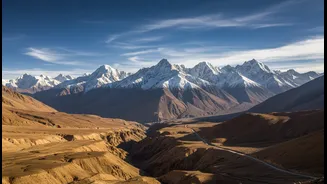
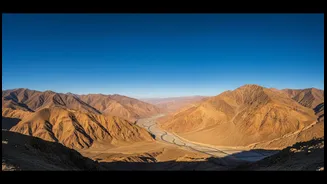
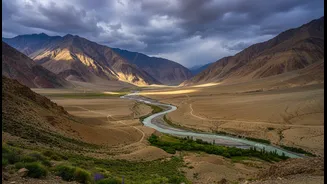
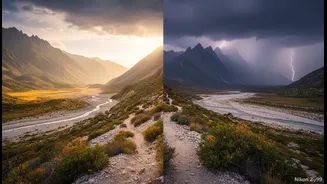
The primary reason Spiti is a viable monsoon destination is its unique geography. Tucked away behind the Greater Himalayan range, the valley lies in a rain-shadow area. This means the massive mountain peaks block most of the moisture-laden monsoon clouds,
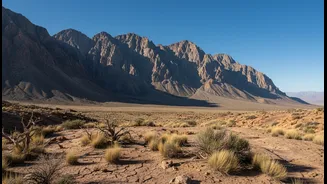
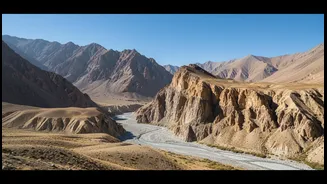
which exhaust their rain over regions like Kullu and Kinnaur. As a result, while other parts of Himachal Pradesh are drenched, Spiti experiences minimal rainfall, often enjoying dry, sunny days with brilliant blue skies. This arid climate, receiving less than 170mm of annual rainfall, is what classifies Spiti as a cold desert and makes it a safe haven for exploration from July to September.
Navigating with Confidence
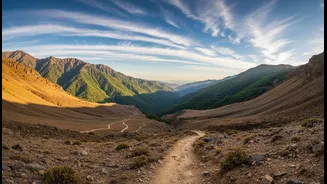
For any traveller, especially those conscious of safety, road accessibility is a major concern during monsoon. The journey to Spiti is the main challenge, not the destination itself. There are two primary routes: one via Shimla and Kinnaur, and the other via Manali. During the monsoon, the Shimla-Kinnaur route is widely considered safer and more reliable. It offers a gradual ascent, which helps with acclimatisation, and while not immune to occasional landslides in the lower reaches, it remains open more consistently. The Manali route, though shorter, involves crossing the high-altitude Kunzum Pass and can have unpredictable muddy sections and water crossings from glacial melt. Experienced local drivers are adept at navigating these conditions, and authorities like the Border Roads Organisation (BRO) work to keep the main arteries clear. For young travellers, opting for a registered tour operator or a seasoned local driver adds a significant layer of safety.
Adventure for the Modern Traveller
Spiti’s appeal for young travellers goes beyond just its favourable weather. The valley offers a unique blend of adventure, culture, and spirituality that resonates with a modern explorer’s mindset. The region is home to some of the world's oldest and most spectacular monasteries, like Key Monastery and the UNESCO-recognized Tabo Monastery, often called the 'Ajanta of the Himalayas'. For those seeking an adrenaline rush, there are opportunities for trekking to pristine high-altitude lakes like Chandratal (the Moon Lake) and Dhankar Lake. The landscape is also a paradise for photographers and stargazers, with the clear, unpolluted skies offering breathtaking views of the Milky Way. Villages like Langza, known for its abundant fossils from the ancient Tethys Sea, Hikkim, with the world's highest post office, and Komic, one of the highest inhabited villages, offer unique cultural experiences and a glimpse into a resilient way of life.
Smart Planning for a Safe Trip
A safe trip to Spiti is a well-planned one. Acclimatisation is non-negotiable due to the high altitude, which averages between 12,000 and 15,000 feet. Experts recommend spending at least a couple of nights at a moderate altitude like Kaza to allow your body to adjust before ascending further. Hydration is key, as is avoiding alcohol and smoking. Packing in layers is essential; while days can be sunny and pleasant, temperatures drop significantly at night. Carrying a lightweight waterproof jacket is wise for the journey, as you will pass through rainy areas en route to the dry valley. While network connectivity is sparse, BSNL SIM cards tend to work in and around Kaza. Downloading offline maps is a practical step. Booking homestays or guesthouses in advance is also recommended, as the monsoon season sees fewer crowds but still requires planning.