





Embrace a Smarter Fabric: Merino Wool
Forget cotton, which gets heavy and takes ages to dry. Your first and most most important hack is to build your wardrobe around merino wool. This natural fibre is a travel superstar for several reasons. It is exceptionally lightweight and provides warmth
without bulk. Crucially for a rainy trip, it retains its insulating properties even when damp, keeping you warm and comfortable. Merino wool is also naturally odour-resistant, meaning you can wear pieces multiple times without needing a wash. This allows you to pack fewer items. One or two merino t-shirts or base layers can serve you for an entire week, drastically cutting down on weight and bulk.
Master the Art of Layering
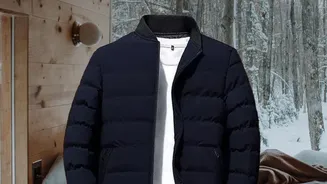
Instead of a single heavy jacket, think in layers. A typical three-layer system is most effective for unpredictable rainy weather. Start with a moisture-wicking base layer, like the merino wool shirt mentioned earlier. Add a lightweight fleece or another long-sleeve merino top for your mid-layer. The final piece is a high-quality, packable waterproof shell. This system allows you to adapt to changing temperatures. If it's warm and rainy, the shell is enough. If it gets chilly, you add the mid-layer. This versatility is far more space- and weight-efficient than packing for every possible weather scenario separately.
Choose a Packable, Lightweight Rain Shell
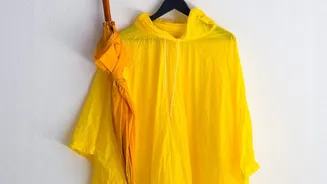
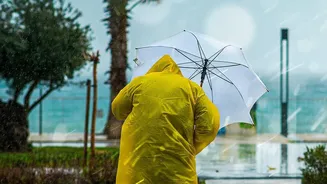
Your choice of outerwear is critical. A bulky raincoat can consume your entire weight allowance. Look for a modern, lightweight, and 'packable' rain jacket. These are designed to fold into their own pocket, taking up minimal space. Materials like 2.5-layer or 3-layer shells with a DWR (Durable Water Repellent) finish offer excellent waterproofing without the weight. Many of these jackets also feature pit zips for ventilation, which is essential for comfort in humid, rainy climates. An effective shell protects you from downpours but weighs only a few hundred grams, making it a non-negotiable for a 7kg bag.
Utilise Packing Cubes and Rolling
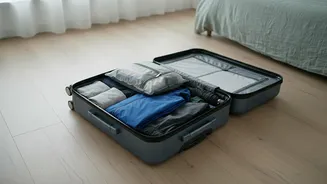
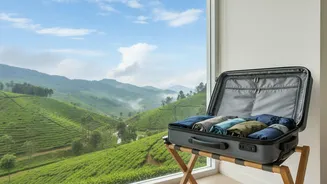
How you pack is as important as what you pack. Invest in a set of packing cubes. These zip-up bags help compartmentalise your clothing and, more importantly, compress it. By rolling your clothes tightly before placing them in the cubes, you can squeeze out excess air and fit significantly more into a smaller space. This method also helps in keeping your bag organised. You can have one cube for tops, one for bottoms and underwear, and a separate one for used laundry. This organisation prevents you from having to unpack your entire bag just to find a pair of socks.
Switch to Solid Toiletries
Liquids are heavy and subject to airline restrictions. The solution is to go solid. You can now find solid bars for shampoo, conditioner, body wash, and even toothpaste (in tablet form). These are not only lighter and more compact than their liquid counterparts, but they also eliminate the risk of spills ruining your clothes. A single shampoo bar can last for weeks, meaning you only need one for your trip. Decant any essential liquids you must take into tiny, travel-sized containers to stay within limits and minimise weight.
Limit Yourself to Two Pairs of Shoes
Shoes are notoriously bulky and heavy. For a seven-day trip, you only need two pairs. Wear your heaviest, sturdiest pair on the plane. This should be a comfortable, waterproof or water-resistant walking shoe that can handle wet city streets and light trails. Your second pair, packed in the bag, should be extremely lightweight, such as a pair of foldable flats or sandals that can be used for evenings or at your hotel. Ensure your primary pair is versatile enough to work with all your planned outfits.
Select Multi-Purpose Gear
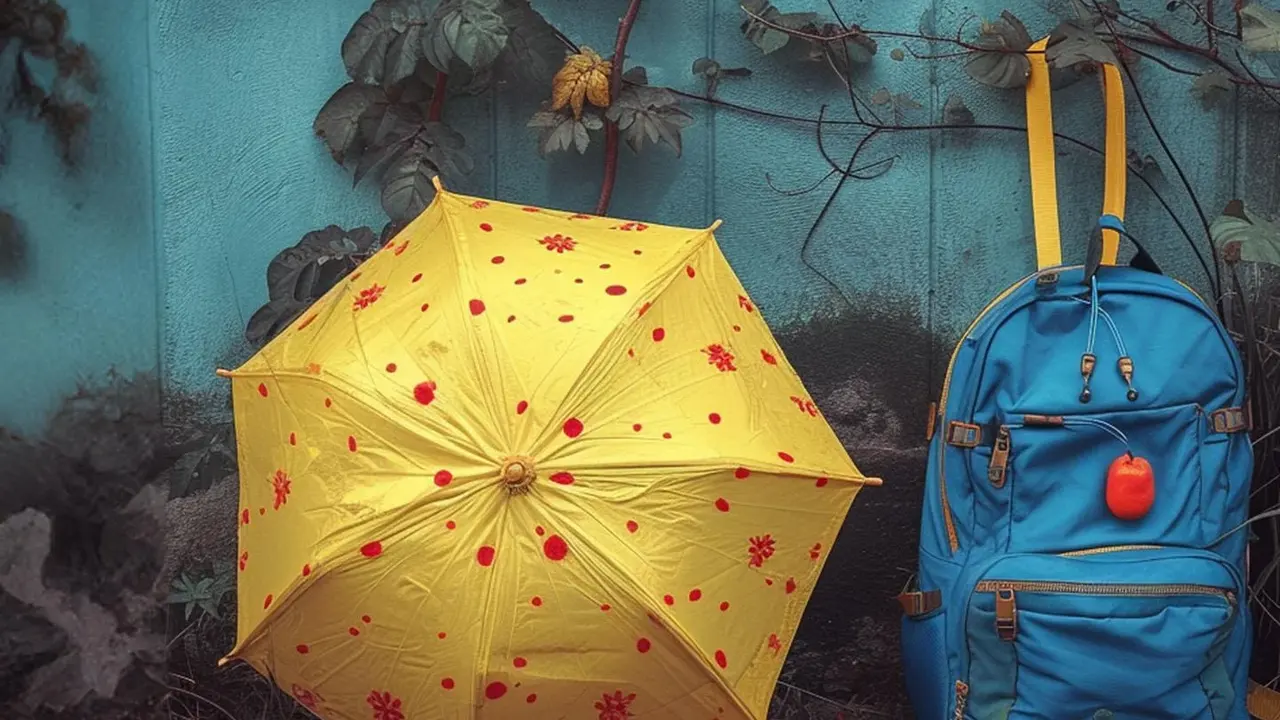
Every item in your bag should earn its place, and the best way to ensure this is by choosing items that serve multiple functions. A large, quick-drying travel towel can double as a picnic blanket or a shawl. A sarong or a large scarf can be a cover-up, a skirt, or a head covering to protect from light drizzle. A waterproof bag cover for your backpack is not just for hiking; it's essential for keeping your belongings dry during any downpour. Think creatively about how each item can be used in different scenarios to avoid packing single-use items.