






The Science of Drying
When you hang wet clothes, the goal is evaporation—turning the water in the fabric into water vapour in the air. But if that humid air has nowhere to go, it just sits there. A single load of laundry can release up to two litres of water into your home's
atmosphere. Without proper airflow, the air surrounding your clothes quickly becomes saturated, slowing down and eventually stopping the drying process altogether. This is why a large, sealed-off room can be just as ineffective as a cramped corner. The key isn't the amount of empty space, but the movement of air that can carry moisture away.
The Hidden Dangers of Damp Air
Beyond the inconvenience of damp clothes, poor indoor drying practices create a host of problems. That lingering moisture raises the humidity level in your home, which can create an ideal breeding ground for mould, mildew, and dust mites. According to the World Health Organization, indoor humidity should ideally be kept between 40% and 60%; drying laundry without ventilation can push this level above 70%. This can trigger allergies and respiratory issues, and lead to tell-tale signs of a problem like condensation on windows, peeling paint, or a persistent musty smell that clings to fabrics and furniture.
Create a Ventilation Strategy
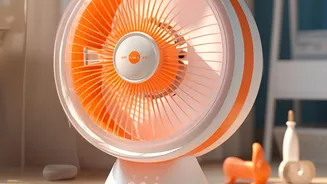
The most effective way to combat this is to ensure constant air circulation. The simplest method is to open a window, even just a crack, to create a cross-breeze that pushes moist air out and pulls fresh, drier air in. If opening a window isn't practical due to weather or security concerns, using a simple electric fan can make a huge difference. Position the fan to blow air across the clothes on the rack, which mimics a natural breeze and significantly speeds up evaporation. For those who frequently dry clothes indoors, especially in humid climates, a dehumidifier is an excellent investment. It actively pulls moisture from the air, collecting it as water and creating a drier environment for your clothes to release their moisture into.
Smart Placement and Spacing
Where you put your drying rack matters. Avoid pushing it into a corner or against a wall, as this traps air. Instead, place it in a spot with natural airflow, like a hallway or near a slightly open window. Don't overcrowd the rack. Leave ample space between each garment so that air can circulate freely around the entire piece of clothing. Using hangers for items like shirts and blouses can improve airflow and reduce creasing at the same time. For heavier items like jeans and towels, hang them on the outer edges of the rack where they are more exposed to moving air.
Extra Tips for Faster Drying
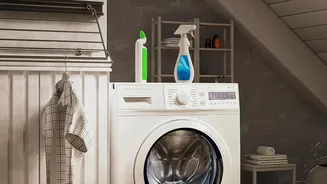
A few extra steps can cut your drying time even further. Before hanging, give your laundry an extra spin cycle in the washing machine to remove as much excess water as possible. When you hang items, shake them out to untangle them and help air penetrate the fibres more easily. You can also try the towel method for smaller items: lay the wet garment on a dry, fluffy towel, roll them up together tightly, and press down to absorb a significant amount of moisture before hanging. Finally, don't let wet clothes sit in the washing machine, as this is where musty smells begin to develop.