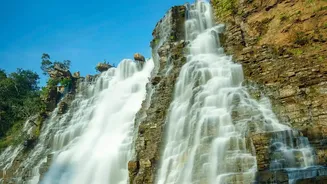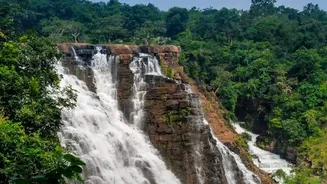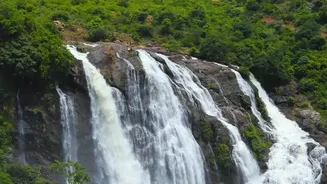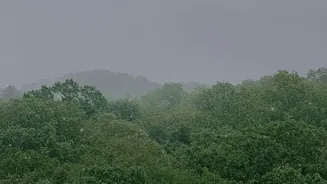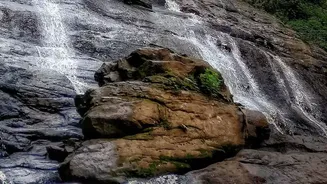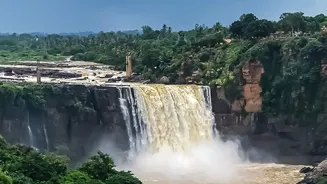





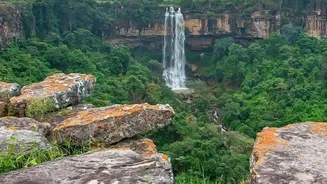
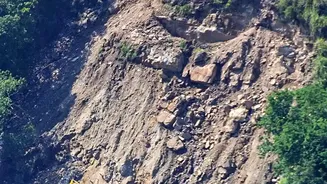
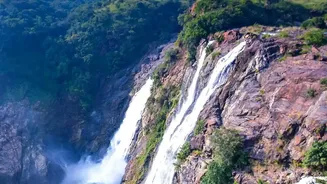
The monsoons transform Karnataka's Western Ghats into a lush paradise, with waterfalls roaring back to life. But this spectacular power brings risk, often leading authorities to restrict visitor access for safety.
The Power and Peril of Monsoon Waterfalls
The allure of a waterfall in full spate
is undeniable. During the monsoon months, from June to September, rivers and streams in Karnataka swell, turning gentle cascades into powerful, thundering spectacles that draw thousands of tourists. However, this raw beauty comes with significant dangers. The increased water volume can lead to sudden, powerful surges and flash floods. The terrain surrounding the falls becomes treacherous, with slippery rocks and muddy trails increasing the risk of falls and injuries. Tragically, incidents of tourists being washed away are not uncommon, often happening when visitors underestimate the water's force or venture into prohibited areas for photos. These inherent risks are why authorities closely monitor conditions and prioritize safety over tourism when the weather turns severe.
The Official Chain of Command for Closures
The decision to close a waterfall is not made lightly and typically involves a collaboration between several government bodies. The primary authorities are the Karnataka Forest Department and the respective district administrations (led by the Deputy Commissioner or Tahsildar). Most of Karnataka's major waterfalls are located within forest reserves or wildlife sanctuaries, giving the Forest Department direct jurisdiction. When heavy rainfall is forecast, these departments rely on alerts from the India Meteorological Department (IMD) to make informed decisions. An order to restrict access is often issued by the Deputy Conservator of Forests (DCF) for a specific division or by the district administration under the Disaster Management Act, 2005, especially when risks like landslides are also present. Warning boards are then placed at entry points, and forest guards or police may be deployed to enforce the ban.
Decoding IMD's Weather Alerts
The India Meteorological Department (IMD) is the crucial first link in the safety chain. It issues colour-coded weather warnings that help officials assess the potential danger. A 'Red Alert' signifies a forecast of extremely heavy rainfall (over 204.4 mm in 24 hours) and advises authorities to 'Take Action'. When a red alert is issued for a district, it almost certainly triggers the closure of access to waterfalls and other vulnerable tourist spots. An 'Orange Alert' indicates a forecast of very heavy rain (11 cm to 20 cm) and prompts authorities to be prepared for potential disruptions. While not always resulting in a blanket ban, an orange alert often leads to heightened vigilance and possible restrictions. A 'Yellow Alert' signals a need to 'Be Updated' about potentially severe weather. These warnings are issued at a subdivision level, so it is important for travelers to check for district-specific forecasts.
Recent Warnings and Current Status
As of late October 2026, the primary monsoon season has passed, but weather can still be unpredictable. The IMD has forecast strong surface winds and thunderstorm activity for parts of South Interior and North Interior Karnataka around October 28th and 29th. While there are no widespread red alerts for heavy rain in the major waterfall regions like Coastal Karnataka, localized thundershowers can still create hazardous conditions. Authorities often maintain a cautious stance even post-monsoon. For instance, recent advisories in other states during heavy rain have explicitly told the public to avoid visiting waterfalls, rivers, and hilly areas. Therefore, even without a formal ban, it is crucial for visitors to check the latest district-level advisories before heading out, as conditions can change rapidly.
How to Plan Your Visit Safely
Enjoying Karnataka's waterfalls requires responsible planning. First, always check the latest weather alerts from the IMD's official website, specifically looking for districtwise warnings. Before you travel, try to find contact information for the local Forest Department office or the District Tourism office to inquire about the current status of the waterfall you plan to visit. Many closures are announced through local news and official press releases, so a quick search online can save you a wasted trip. Once at a location, always obey posted signs and the instructions of forest guards or police. Never cross barricades, climb on wet and slippery rocks, or enter the water, especially when currents are strong. Remember that most of these sites are in remote areas with limited medical facilities, making caution your best defense.