
From Baking By-Product to Kitchen Hero
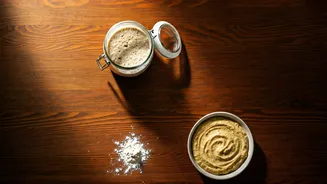
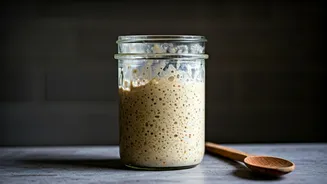
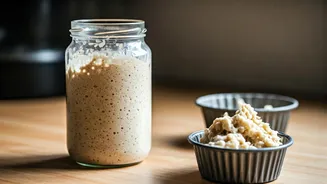
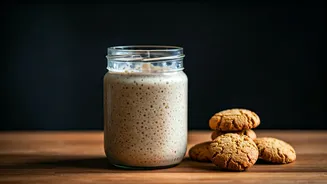
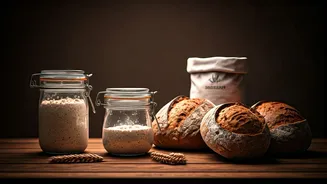
For any home baker who has nurtured a sourdough starter, 'discard' is a familiar term. It is the portion of the bubbling fermented flour-and-water culture that is removed before each feeding to keep the yeast active and manageable. Rather than being thrown
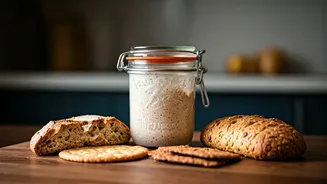
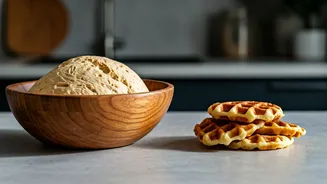
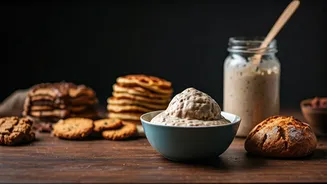
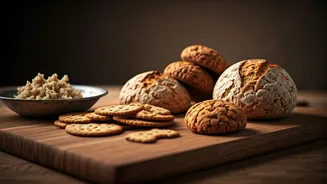
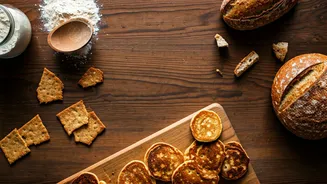
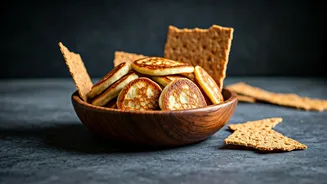
away, this unfed starter has found a new purpose. While it may not have the power to leaven a whole loaf on its own, it’s packed with tangy flavour and potential. This makes it a perfect, versatile ingredient for a range of other recipes, from pancakes and crackers to waffles and flatbreads.
The Ultimate 'No-Waste' Ingredient
The principle of not wasting food is deeply ingrained in Indian culture. For generations, Indian kitchens have mastered the art of turning peels, stems, and leftovers into delicious meals. The rise of sourdough discard recipes fits perfectly into this ethos. Using the discard is a modern expression of this age-old wisdom. It appeals to a growing consciousness around sustainability and reducing kitchen waste, a topic gaining traction in urban households. For many, it's not just about baking bread; it's about honouring the entire process and making the most of every ingredient.
A Familiar Flavour in a New Form
The tangy taste of sourdough is not entirely foreign to the Indian palate. Fermentation is a cornerstone of Indian cuisine, from the sourness of dosa and idli batter to homemade curd and pickles. Sourdough discard provides a similar complex, tangy note. When used to make savoury pancakes, it creates something remarkably similar to a traditional 'cheela' or 'uttapam'. Recipes abound online for sourdough discard dosas, kulchas, and even naan, where the discard adds a subtle sourness and a tender texture. This familiarity makes the adaptation of a global trend feel natural and intuitive in the Indian kitchen.
A Nod to Health and Wellness
The sourdough trend in India is closely linked to a broader shift towards healthier, more natural foods. The fermentation process in sourdough begins to break down gluten and other compounds in the flour, which may make it easier to digest than commercially produced breads. It's also perceived as a more natural food, free from the commercial yeasts and additives found in many store-bought products. While the live probiotics of a starter don't survive baking, the prebiotics and other compounds that support gut health do. For health-conscious urban families, using the discard to make snacks feels like a wholesome, guilt-free choice.