






The New Reality of Digital Spending
Not long ago, managing money meant checking your wallet. Today, it means navigating a complex web of digital transactions. India's digital payment revolution, spearheaded by the Unified Payments Interface (UPI), has made spending frictionless. While incredibly
convenient, this seamlessness creates a new challenge: financial invisibility. A quick tap for coffee, an auto-debit for a subscription, a split bill with friends—each transaction is small, but together they form a significant, often unseen, drain on your income. Studies suggest that many households are unaware of where a substantial portion of their monthly income is spent. This is precisely the void that expense tracker apps are designed to fill, transforming your smartphone from a spending device into a powerful tool for financial awareness.
From Simple Ledgers to Financial Co-Pilots
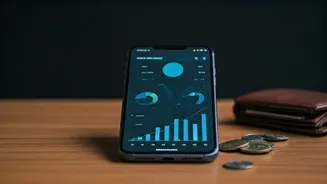
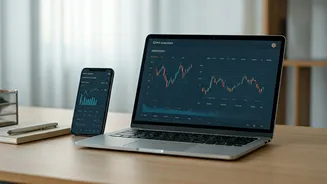
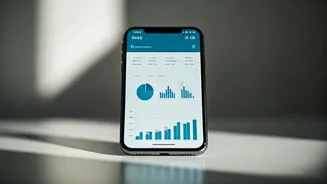
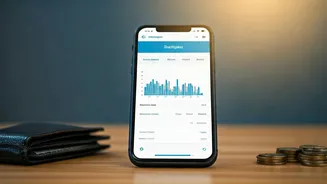
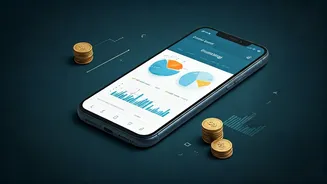
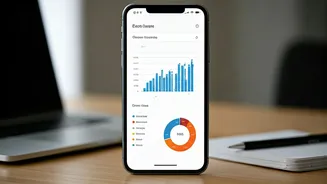
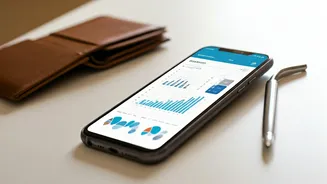
Modern expense trackers do more than just list your debits. The best apps offer a suite of features that provide a holistic view of your financial health. They automatically categorize your spending, giving you a clear, visual breakdown of where your money goes—be it on groceries, transport, entertainment, or those tempting online sales. By generating reports and charts, these apps help you identify your unique spending patterns, spot costly recurring subscriptions you may have forgotten about, and pinpoint opportunities to save. Some advanced apps even use AI to predict future expenses based on your habits, offer personalized budgeting advice, and allow you to ask plain-language questions about your finances, like having a financial advisor in your pocket.
What to Look for in an Expense Tracking App
Choosing the right app is crucial, as the best one is the one you will consistently use. The market is flooded with options, but a few key features are non-negotiable for most Indian users. Automatic tracking is a major one; apps that can read your bank and UPI transaction SMS alerts save you from tedious manual entry. Look for robust categorization, the ability to set budgets for different expense heads, and timely reminders for bill payments to avoid late fees. Security is paramount, so check the app's privacy policy and permissions. Some apps store data on their servers for analysis, while others are privacy-focused and keep all information on your device. Finally, consider the user interface—it should be clean, intuitive, and easy to navigate.
Manual vs. Automatic: A Matter of Mindfulness
While automatic SMS-based tracking offers unmatched convenience, some users prefer a more hands-on approach. Manual entry apps, where you input each expense yourself, have a distinct advantage: they force a moment of mindfulness with every purchase. This simple act of recording what you just spent can significantly increase your awareness and naturally curb impulsive spending. Apps like Goodbudget use a digital version of the classic 'envelope' system, where you allocate a set amount of cash to different categories for the month. This method is excellent for disciplined budgeters and families managing shared expenses. The choice between automatic and manual often comes down to a trade-off between convenience and conscious financial engagement.
Building a Habit for Financial Wellness
An expense tracking app is a tool, not a magic wand. Its true power is unlocked when you build a consistent habit around it. Set aside five minutes each day or fifteen minutes at the end of the week to review your spending. Look at the categories where you spent the most. Were those expenses planned? Did they align with your values and goals? This regular check-in transforms raw data into actionable insights. It’s not about judging your past purchases, but about making more informed decisions for your future. Over time, this small habit can lead to significant changes, helping you plug financial leaks, boost your savings rate, and gain a powerful sense of control over your money.