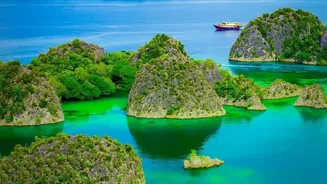





The Philippines promises postcard-perfect beaches and crystal-clear waters. But behind the stunning social media feeds, a wave of commercialisation is changing the experience in its most popular, and some say overrated, destinations.
The Instagram vs. Reality Dilemma
The allure of the
Philippines is undeniable. With over 7,000 islands, it’s a paradise for travellers seeking sun, sand, and adventure. However, the very popularity that puts these destinations on the map also brings significant challenges. The term 'overrated' is often subjective, but in the context of Philippine travel, it usually points to a disconnect between expectation and reality. This gap is largely fuelled by commercialisation. When a destination becomes a global hotspot, it often triggers a rapid, sometimes unregulated, boom in development. What was once a quiet fishing village can transform into a bustling strip of hotels, souvenir shops, and tour operators, all competing for the tourist dollar. This isn't inherently bad—tourism is a vital part of the nation's economy, supporting millions of jobs. But for the traveller dreaming of a serene escape, the reality of crowded beaches and constant sales pitches can be jarring.
Boracay: A Poster Child for Overtourism
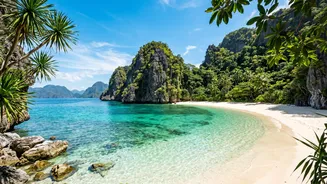
No island embodies this struggle more than Boracay. Once lauded for its powdery White Beach, it became what some called a 'cesspool' due to environmental degradation and uncontrolled development. The situation grew so dire that in 2018, the government took the drastic step of closing the island for a six-month rehabilitation. Today, a new Boracay has emerged, with stricter regulations, limits on daily visitors, and a cleaner environment. However, the commercial spirit remains. While the chaos has been tamed, it is still a highly developed destination geared towards mass tourism. The lesson from Boracay is a powerful one: even paradise needs rules, and its recovery shows a commitment to sustainability, though travellers should still expect a lively, developed resort island rather than a deserted oasis.
El Nido: Beauty Under Pressure
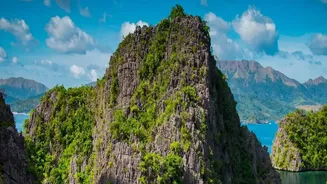
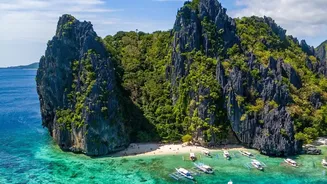
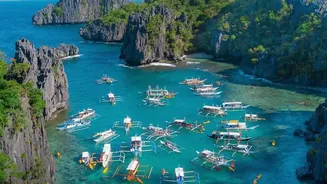
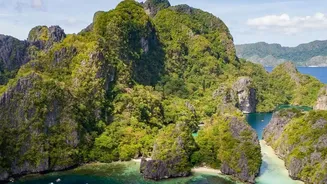
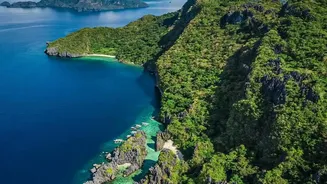
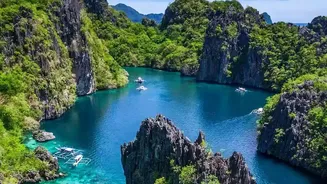
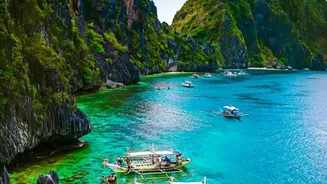
El Nido in Palawan, famous for its dramatic limestone karsts and stunning lagoons, has faced its own battle with popularity. For years, it was a backpacker’s secret, but social media propelled it to global fame. This rapid influx of tourists strained its infrastructure, leading to environmental concerns like water contamination from inadequate sewage systems. Efforts have been made to manage the impact, including setting limits on visitors to popular lagoons and investing in better waste management. Yet, the town centre can feel congested, and the most famous island-hopping tours can be crowded. The breathtaking scenery that made El Nido famous is still there, but accessing it now requires navigating a highly organised and sometimes expensive tourism machine.
How to Be a Savvy Traveller
So, should you skip these famous places altogether? Not necessarily. The key is to travel smarter. Firstly, manage your expectations. Understand that the most popular spots will have crowds and commercial elements. Secondly, travel during the shoulder seasons (just before or after peak season) to experience fewer crowds and potentially lower prices. Thirdly, explore beyond the main attractions. In Palawan, instead of just El Nido, consider the quieter but equally beautiful Port Barton or the historic charm of Taytay. In Boracay, venture away from the main stretch of White Beach to find quieter coves. Finally, be a responsible tourist. Practice 'Leave No Trace' principles, use reef_safe sunscreen, support locally_owned businesses instead of large chains, and respect the local culture. By making mindful choices, you contribute to a more sustainable tourism model that can help preserve these beautiful places for the future.