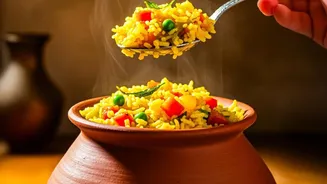


In a world of instant meals and high-tech kitchens, a quiet revolution is simmering. Ancient clay pots, or 'handis', are returning to Indian homes, promising deeper flavours and healthier food. What's behind this earthy revival?
A Return to Slower, Healthier Cooking
The resurgence of clay
pot cooking is closely tied to a growing consciousness around health and wellness. Unlike modern non-stick pans, which can release chemicals at high temperatures, unglazed clay pots are a natural, non-toxic alternative. Because clay is naturally alkaline, it helps to neutralize the pH of acidic foods like tomato-based curries, making them easier to digest. This ancient practice aligns with the modern 'slow food' movement, which champions mindful meal preparation and a departure from the rushed pace of life that the pressure cooker once symbolised. The slow, even heat distribution not only prevents food from burning but also requires less oil, resulting in lighter, healthier meals.
The Science of Superior Flavour and Nutrition
Anyone who has eaten a dish cooked in a clay pot will attest to its unique, earthy flavour. This isn't just nostalgia; it's science. The porous nature of clay allows heat and moisture to circulate evenly throughout the pot, essentially steaming the food in its own juices. This self-basting process keeps food incredibly moist and tender while preserving delicate nutrients and vitamins that can be destroyed by the harsh, high heat of metal pans. Minerals naturally present in the clay, such as calcium, iron, and magnesium, can also be imparted to the food, subtly enhancing its nutritional profile. The result is a dish with a deeper, more complex aroma and taste that simply cannot be replicated in a steel vessel.
A Taste of India’s Culinary Diversity
Clay pot cooking isn't a monolithic tradition; it's a vibrant tapestry of regional practices. In Bengal, the 'matir handi' is essential for slow-cooking fish curries (maacher jhol) to perfection. In the South, a clay 'manchatti' is the preferred vessel for flavourful fish curries, while soapstone pots ('kalchatti') are prized for making sambar and aviyal. The iconic Hyderabadi biryani owes much of its fame to being slow-cooked in a sealed clay handi, a technique known as 'dum pukht' that allows the rice and meat to absorb every nuance of the spices. Even everyday dishes like dal, or beverages like chai and mishti doi set in clay pots, take on a richer character. This diversity is a reminder that clay pot cooking is deeply embedded in India's culinary identity.
Adopting Ancient Wisdom in the Modern Kitchen
Integrating clay pots into a modern kitchen is simpler than it might seem. A growing market of artisans and brands now sells traditional earthenware online, making it accessible to urban consumers. Before its first use, a clay pot must be seasoned—a simple process of soaking it in water, sometimes overnight, to strengthen the clay and prevent cracking. Cooking should always start on a low flame, with the heat increased gradually. Cleaning is also straightforward: hot water and a gentle scrub are all that's needed, as soap can be absorbed by the porous clay. This return to clay cookware is more than a trend; it's a conscious choice for sustainability, as these pots are biodegradable and support local artisan communities.