





1. Pack Smart, Not Heavy
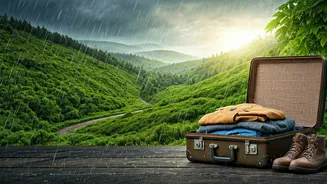
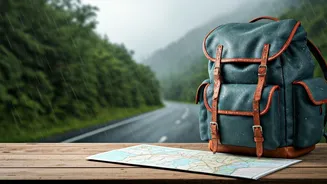
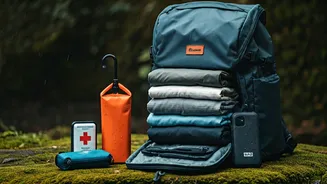
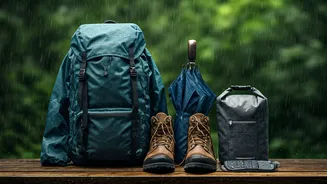
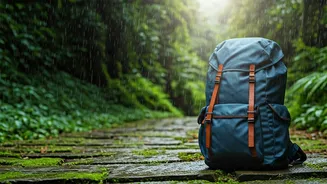
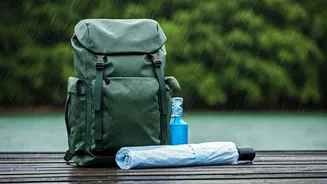
Monsoon packing is an art. The goal is to stay dry and comfortable without hauling a massive suitcase. Prioritise synthetic, quick-drying fabrics like nylon and polyester over cotton, which takes forever to dry in the humid air. A lightweight, waterproof
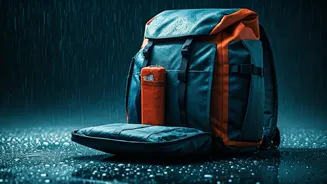
jacket is non-negotiable. For footwear, ditch the leather and fancy sneakers. Instead, opt for rubber sandals, floaters, or waterproof hiking shoes with good grip. A crucial addition is a set of waterproof bags or dry sacks to protect your electronics, wallet, and important documents. Also, pack a small, quick-dry towel—it will be far more useful than a bulky bath towel.
2. Choose Your Destination Wisely
Not all destinations are created equal during the monsoon. While some places come alive, others become risky. Hill stations in the Western Ghats like Lonavala, Mahabaleshwar, and Munnar in Kerala are spectacular, draped in mist and greenery. The rain-shadow regions, such as Ladakh or parts of Tamil Nadu, receive minimal rainfall and are excellent alternatives. Goa offers a completely different, serene vibe with fewer crowds and lower prices. However, be cautious about travelling to regions prone to landslides, like parts of Uttarakhand and Himachal Pradesh. Always check local weather advisories and news reports for your chosen destination before and during your trip.
3. Prioritise Health and Hygiene
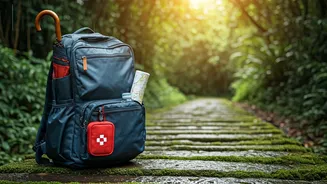
The monsoon brings a higher risk of water-borne diseases and mosquito-borne illnesses like dengue and malaria. Be vigilant about what you eat and drink. Stick to bottled water and avoid street food that might be prepared with contaminated water, especially juices and chutneys. Eat at clean, reputable restaurants. Carry a basic first-aid kit with essentials like antiseptic lotion, bandages, pain relievers, and medication for stomach upsets. A strong insect repellent is a must, especially in the evenings. Applying it generously can save you from a lot of trouble.
4. Plan for Travel Delays
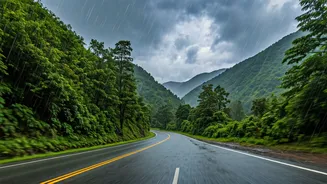
Getting from point A to point B can be unpredictable in the monsoon. Heavy rains can cause flight delays, train cancellations, and major traffic jams on highways. It's wise to build buffer days into your itinerary. If you're driving, be extremely careful. Roads can be slippery, and visibility can be poor. Avoid driving after dark if possible. Check for road closures and landslide warnings before starting your journey. Train travel is often a more reliable option, but even trains can run late. The key is to be patient and flexible. The journey is part of the monsoon adventure.
5. Embrace the Slower Pace
A monsoon trip isn’t about ticking off a long list of sights. It’s about soaking in the atmosphere. Sometimes the best plan is to have no plan at all. When the rain is relentless, don’t force an outing. Instead, find a cosy café with a view, grab a hot cup of chai, and watch the downpour. Read that book you’ve been meaning to finish. Many hotels and resorts offer indoor activities or have beautiful common areas perfect for relaxing. These quiet moments, listening to the rhythm of the rain, often become the most cherished memories of a monsoon holiday.
6. Protect Your Gear
For photographers and gadget lovers, the monsoon is a dream and a nightmare. The landscape is incredibly photogenic, but the humidity and water can wreak havoc on your equipment. As mentioned, a dry bag is your best friend. Keep your camera, phone, and power banks inside it when not in use. Silica gel packets, often found in new shoe boxes, are excellent for absorbing moisture inside your camera bag. A simple clear plastic bag can serve as a makeshift rain cover for your camera in a pinch. Wipe your gear down with a dry cloth after shooting in misty or rainy conditions to prevent moisture damage.