




Why Everyone Is Talking About Fibre Again
Dietary fibre, the indigestible part of plants, is gaining recognition for its profound impact on overall health. While long known for promoting regular bowel movements, its benefits are far more extensive. Health experts are highlighting fibre's role
in maintaining a healthy weight, regulating blood sugar levels, and lowering the risk of chronic illnesses like heart disease and type 2 diabetes. According to the Indian Council of Medical Research (ICMR), adults should aim for about 25 to 30 grams of fibre daily. However, many urban Indian diets, often reliant on refined grains, fall short of this target, with average consumption sometimes as low as 15 grams per day. This deficit is driving a movement back towards fibre-rich whole foods.
The Humble Power of Pulses
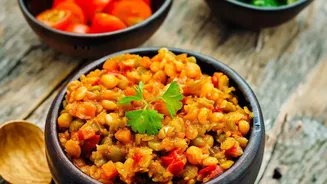
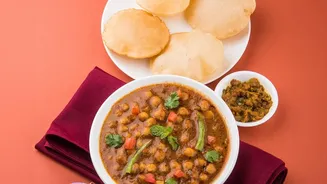
Pulses—the family of edible seeds from legume plants like dals, chana (chickpeas), and rajma (kidney beans)—are nutritional powerhouses at the heart of this fibre revival. Traditionally a staple in Indian cuisine, they are incredibly rich in both fibre and plant-based protein. A single serving of chickpeas or rajma can provide over 12 grams of fibre, making them one of the most efficient ways to meet your daily needs. The fibre in pulses is typically soluble, which forms a gel-like substance in the digestive tract. This process slows digestion, helping you feel full for longer and aiding in blood sugar control. Incorporating a variety of dals and legumes into daily meals is a simple and culturally familiar way to boost fibre intake significantly.
Beyond White Rice: The Whole Grain Advantage
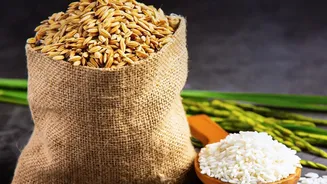
The conversation about fibre inevitably leads to grains. A whole grain contains all three parts of the kernel: the bran, germ, and endosperm. This is in contrast to refined grains like white rice or maida, where the fibrous bran and nutrient-rich germ have been removed. Millets (like jowar, bajra, and ragi), brown rice, and whole wheat are excellent sources of insoluble fibre. This type of fibre adds bulk to stool, which helps food move more efficiently through the digestive system and prevents constipation. Making simple swaps, such as replacing a white-flour roti with one made from bajra or jowar, or mixing brown rice with white, can dramatically increase the fibre content of a meal without a drastic change in diet.
The Colourful World of Plant Foods
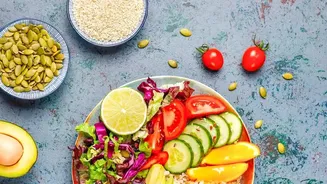
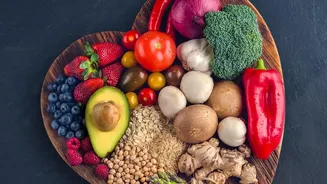
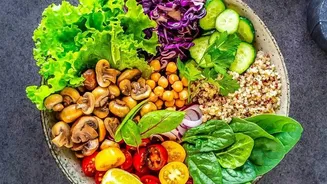
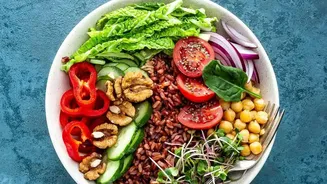
Beyond pulses and grains, the broader category of plant foods—namely fruits and vegetables—is crucial for a fibre-rich diet. Many traditional Indian meals are rich in vegetables like bhindi (okra), spinach, and carrots, which are all good sources of fibre. Fruits such as guavas, apples, and pears, especially when eaten with their skin, are also packed with fibre. Plant-based diets are naturally higher in fibre and have been linked to a host of health benefits, including improved digestion, reduced inflammation, and better gut health. The key is variety. Filling your plate with a colourful assortment of seasonal vegetables and fruits ensures you get a wide range of vitamins and minerals alongside your fibre.
Simple Swaps for a Fibre-Rich Diet
Increasing your fibre intake doesn't require a complete dietary overhaul. Start with small, manageable changes. Begin your day with oatmeal or a millet-based breakfast instead of refined cereals. For lunch and dinner, ensure at least half of your plate is filled with vegetables. Make it a habit to include one serving of dal or legumes in a main meal each day. For snacks, reach for a whole fruit, a handful of nuts, or roasted chana instead of processed, packaged options. As you increase fibre, remember to also increase your water intake, as fibre absorbs water to do its job effectively. A gradual increase is the best approach to allow your digestive system to adapt comfortably.