





The End of the Bucket List Sprint
For years, the gold standard of a successful trip was a packed itinerary. It meant seeing as much as possible, hopping between cities, and ticking off every landmark in a guidebook. This ‘bucket list sprint’ often left travellers needing a vacation from
their vacation. Now, a significant shift is underway, particularly among Gen Z and millennials. They are championing ‘slow travel’—a philosophy that prioritizes depth over distance and connection over checklists. [10] This approach involves staying in one place for longer, soaking in the local culture, and rejecting the pressure to be constantly on the go. [20] It’s a deliberate move away from the 'overtourism' that has made many popular spots feel congested and inauthentic. [18]
From Burnout to 'Nothing-cations'
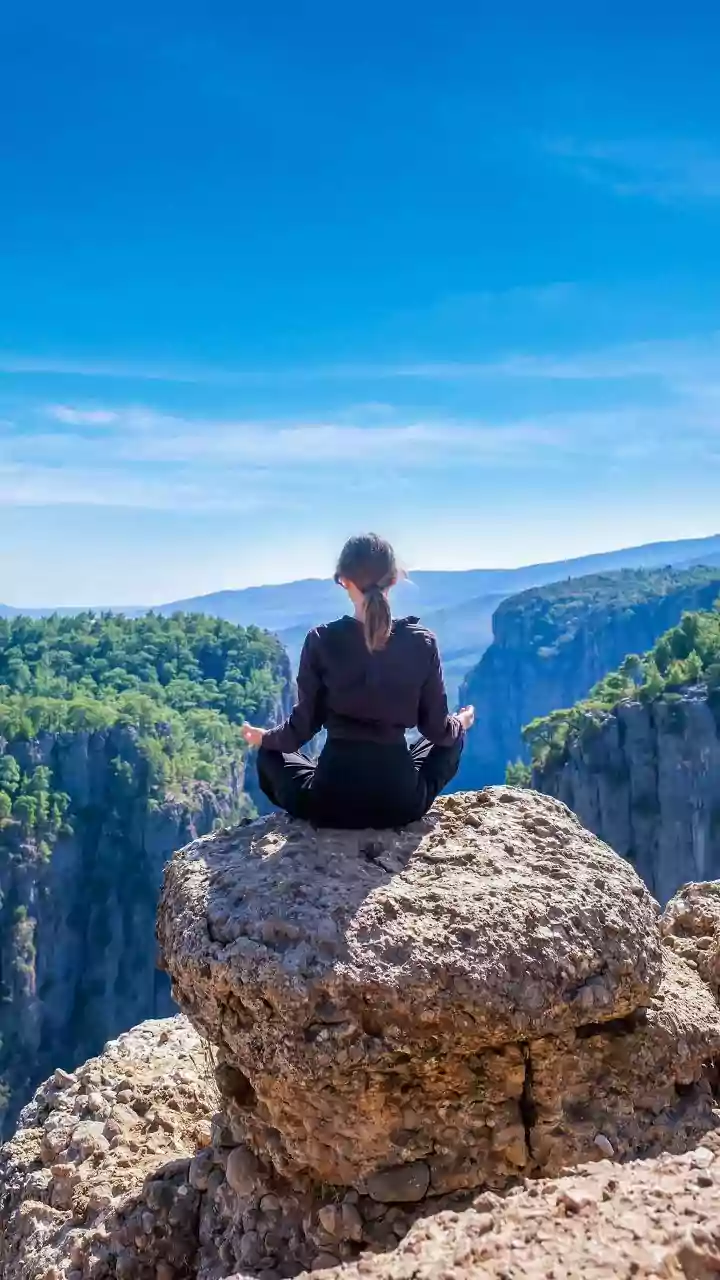
The driving force behind this trend is a powerful antidote to modern life: burnout. Younger generations, navigating demanding work cultures and the pressures of a constantly-online world, are seeking genuine rest. Enter the “nothing-cation,” a trip where the main activity is doing absolutely nothing. [3, 4] Recent survey data shows that an overwhelming majority of travellers plan to spend part of their next trip dedicated to pure relaxation, with many reporting feelings of post-holiday burnout from over-scheduled breaks. [4, 7] This desire for a mental reset is pushing them towards quiet, Wi-Fi-free zones, farm stays, and nature-focused getaways where they can truly disconnect and recharge. [10, 15] It’s less about where you go and more about the headspace you can achieve when you get there.
What 'Chill Travel' Actually Looks Like
So what does a ‘chill’ trip look like in practice? It might mean renting an apartment in a single town for a week instead of flying to three different countries. It involves leisurely mornings spent at a local café, long walks without a destination, and swapping a packed museum schedule for an afternoon floating in the ocean. [7] For many in India, this trend is manifesting as extended stays in mountain towns in Himachal Pradesh and Uttarakhand, where 'workations' blend remote work with the peaceful rhythm of hill life. [11] Instead of collecting souvenirs, these travellers are collecting experiences: learning a few words of a new language, discovering a favourite neighbourhood restaurant, or simply having unstructured time to read a book.
Slower is Smarter (and Cheaper)
This relaxed approach to travel comes with a significant and welcome side effect: it's often more affordable. By staying in one place longer, travellers can unlock weekly or monthly discounts on accommodations. Fewer flights and train journeys mean drastically lower transportation costs. [10] Cooking meals with ingredients from a local market instead of eating out for every meal also makes a big difference. This budget-friendly aspect is crucial for a younger generation facing economic pressures. It makes travel more accessible, allowing for longer and more frequent trips than a traditional, high-cost vacation would permit. This practicality proves that a more fulfilling travel experience doesn’t have to be a more expensive one.