




Why Your Dog Needs Enrichment
A walk around the block is great for physical exercise, but dogs need mental workouts, too. This is where enrichment comes in. Enrichment activities tap into a dog's natural instincts—like sniffing, foraging, and problem-solving. A bored dog is often
an anxious or destructive one. By providing stimulating challenges, you can help reduce unwanted behaviours like excessive barking or chewing on furniture. A cardboard obstacle course isn’t just a game; it’s a form of canine therapy that builds confidence and provides a healthy outlet for their energy. It encourages them to use their most powerful sense—their nose—and their brain, resulting in a calmer, happier, and more fulfilled companion.
Gathering Your Materials Safely
The beauty of this project lies in its simplicity. All you really need are cardboard boxes of various sizes, scissors, and your dog’s favourite high-value treats. However, safety is the most important component. Before you begin building, you must prep your cardboard. Meticulously remove all staples, plastic packaging tape, and shipping labels. These items can be choking hazards or cause intestinal blockages if ingested. Cut off any sharp or rigid corners to prevent pokes or scrapes. If you plan to use any adhesives, ensure they are non-toxic. The goal is to create a fun zone, not a hazard zone, so a thorough safety check of your materials is the non-negotiable first step.
Station 1: The Snuffle Box
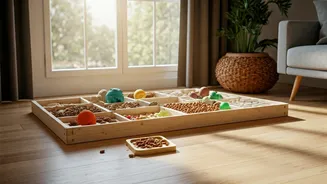
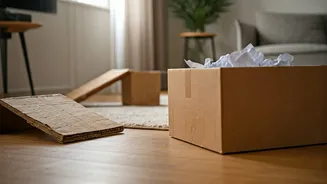
This is the perfect starting point and a great way to introduce the concept. Take a shallow, open-topped box (like one from a case of drinks). Fill it with loosely crumpled, non-glossy paper or torn-up pieces of other cardboard boxes. You're creating a 'digging pit' of paper. Sprinkle a handful of small, smelly treats into the box, letting them fall between the crumpled paper. Place the box on the floor and let your dog use their nose to forage for the rewards. This simple activity is incredibly stimulating and satisfies their innate desire to hunt for food.
Station 2: The Treat Puzzle
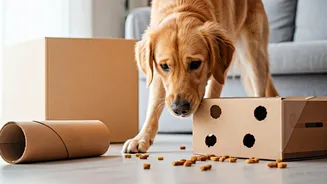
Let’s level up the problem-solving. Take a small- to medium-sized box and cut a few dog-sized holes (large enough for a snout, not a whole head) into the sides and top. Place a few larger, more enticing treats inside and close the box flaps without taping them. Your dog will have to nudge, push, and roll the box around to get the treats to fall out of the holes. This mimics the challenge of extracting marrow from a bone or working for food in the wild. Supervise them to ensure they don't just decide to eat the entire box in frustration.
Station 3: The Cardboard Tunnel
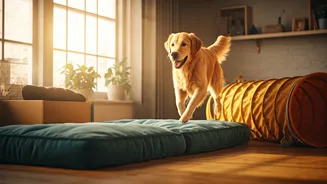
If you have a few large appliance or moving boxes, you have the makings of a fantastic tunnel. Open up both ends of a box to create a simple passthrough. For a more advanced course, connect several boxes to create a longer or L-shaped tunnel. To encourage your dog to enter, place a treat at the entrance, one in the middle, and a jackpot reward at the exit. Never force your dog through. Let them investigate at their own pace. For some dogs, this is a huge confidence builder, while others may find it intimidating, so keep it positive and low-pressure.
Running the Course Successfully
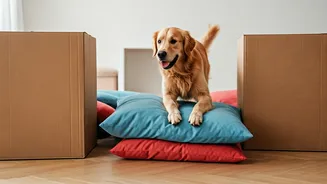
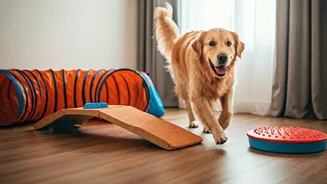
Once you have your stations, arrange them around a room. Lead your dog to the first station and let them explore. Use an encouraging tone of voice—"Find it!" or "Good job!"—but let them do the work. The goal is independent problem-solving. There are no rules in terms of order; if your dog is more interested in the puzzle box than the tunnel, let them have their fun. Keep the sessions short and sweet (5-10 minutes) to keep them engaged and end on a high note. Your role is to be the cheerleader and safety monitor, not the drill sergeant.