




Imagine a dessert that captures both royal history and seasonal freshness in a single, creamy spoonful. That's the magic of Sitaphal Phirni, a modern twist on a beloved classic that elevates a simple rice pudding into a fragrant, fruity delight.
The Soul of the Dish: What is Phirni?
Before
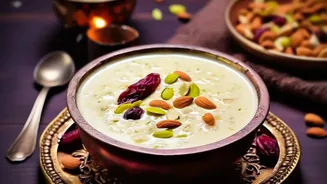
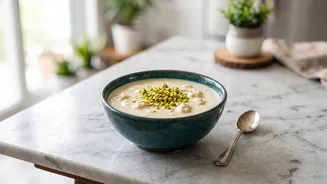
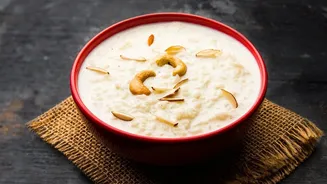
we add the fruit, it's important to understand the heart of this dessert: the phirni itself. Phirni is a traditional North Indian pudding with roots stretching back to the opulent kitchens of the Mughal era. Unlike its cousin, kheer, which uses whole rice grains, phirni is made from finely ground rice. This rice paste is slow-cooked in milk until it transforms into a thick, velvety, and smooth pudding. Traditionally, it’s flavoured with aromatic spices and served chilled in small, unglazed clay bowls called 'shikoras' or 'matkas'. These earthen pots aren't just for show; they absorb excess moisture, making the phirni even thicker and imparting a subtle, earthy aroma that enhances the overall experience.
The Seasonal Star: The Luscious Sitaphal
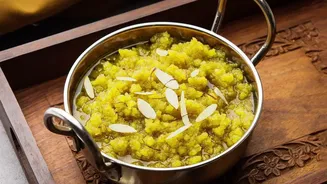
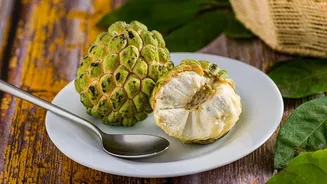
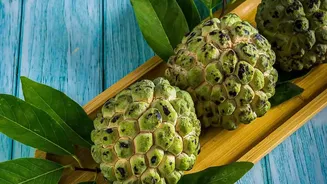
What makes this phirni special is the addition of Sitaphal, also known as custard apple. This unique tropical fruit, with its bumpy green skin, reveals a treasure inside: a glistening, creamy, and tender pulp. The flavour is a complex melody of sweet, tropical notes with hints of vanilla, pineapple, and banana. Its natural sweetness and custard-like consistency make it a perfect companion for dairy-based desserts. When ripe, the fruit is incredibly soft, and its pulp can be easily separated from the inedible black seeds. This creamy flesh is then gently folded into the prepared phirni after it has cooled slightly, ensuring the fruit's delicate flavour isn't diminished by heat.
The Aromatic Duo: Cardamom and Saffron
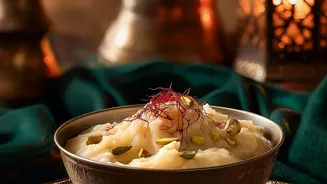
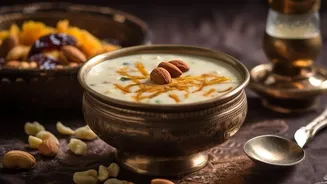
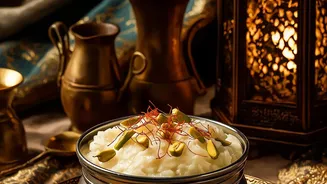
No Indian dessert is complete without the signature touch of aromatic spices, and in Sitaphal Phirni, cardamom and saffron are the undisputed stars. Cardamom, often called the backbone of Indian sweets, provides a warm, minty, and slightly citrusy fragrance that cuts through the richness of the milk. It brings a floral top note that brightens the entire dish. Saffron, the world's most prized spice, contributes much more than its beautiful golden hue. When bloomed in warm milk, it releases a subtle, honey-like aroma and a pleasant bitterness that adds complexity and prevents the dessert from tasting one-dimensionally sweet. Together, they create a molecular harmony; the cardamom lifts the earthy notes of the saffron, and the saffron grounds the bright notes of the cardamom, resulting in a perfectly balanced and luxurious flavour profile.
A Perfect Marriage of Flavours and Textures
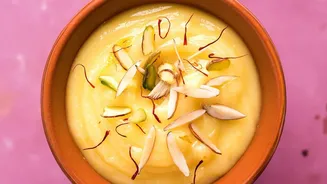
The final creation is a masterful blend of textures and tastes. You have the smooth, slightly grainy base of the ground rice pudding, which provides a comforting and substantial foundation. Then comes the Sitaphal pulp, which introduces a soft, almost slippery texture and pockets of intense, fruity sweetness. The cardamom and saffron weave through every bite, infusing the dessert with a warm, regal aroma that fills the senses. Every spoonful offers a different experience: the creaminess of the milk, the gentle grain of the rice, the sweet burst of the custard apple, and the lingering fragrance of the spices. It’s a dessert that is simultaneously rich and refreshing, traditional and contemporary.
How to Best Enjoy Sitaphal Phirni
Sitaphal Phirni is always served chilled. Refrigeration not only makes it a refreshing treat but also allows the pudding to set properly, achieving its signature thick consistency. While it tastes delicious in any bowl, serving it in traditional clay sakoras elevates the experience. For a final touch of texture and elegance, it is often garnished with slivered nuts like pistachios and almonds, and sometimes even delicate, edible silver leaf (vark) or dried rose petals. This dessert has become a festive favourite, appearing on menus during celebrations like Eid and Diwali, as well as a popular seasonal special in restaurants and homes across India.