



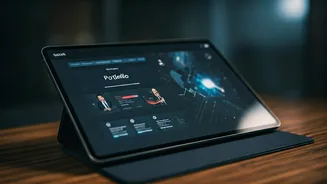



Beyond the Two-Page Resume
For decades, the resume has been the cornerstone of a job application. But in fields like tech, design, marketing, and media, it’s becoming a flat, uninspired summary of what you claim you can do. Enter the interactive digital portfolio. It’s more than
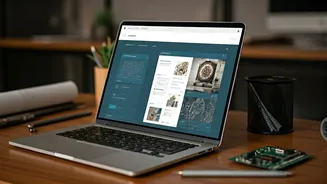
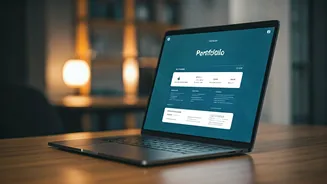
a document; it’s a personal website, a living showcase of your work. Instead of merely listing “Proficient in Python” or “Managed a social media campaign,” a digital portfolio lets you prove it. It’s the difference between telling a recruiter you can build an app and showing them the app you actually built, complete with a link to the code on GitHub and a short video explaining your process.
Why Recruiters Are Paying Attention
Indian recruiters are drowning in applications. For a single junior role, they might receive hundreds, even thousands, of similar-looking resumes. A link to a portfolio is an immediate differentiator. It allows hiring managers to quickly vet a candidate's practical skills. They can see your coding style, your design aesthetic, or your content creation abilities in action. This 'show, don't tell' approach saves them time and reduces the risk of a bad hire. It demonstrates initiative, passion, and a genuine command of your craft that a list of bullet points can never convey. For recruiters, a well-structured portfolio is a sign of a candidate who is serious, organised, and proud of their work.
What Makes a Portfolio 'Interactive'?
The key is in the word 'interactive'. This isn’t just a static webpage with a list of projects. A strong digital portfolio engages the visitor. This can mean several things:
- **Live Demos & Links:** For developers, this means links to live websites or apps they have built, or a public GitHub repository. For designers, it’s a clickable prototype of an app made in Figma.
- **Embedded Media:** Instead of describing a video you edited, embed the video directly on the page. If you’re a writer, don’t just link to an article; show a compelling snippet with a clear 'Read More' button.
- **Case Studies:** This is the storytelling component. For each project, don't just show the final result. Write a short case study: What was the problem you were trying to solve? What was your process? What tools did you use? What was the outcome? Use visuals, screenshots, and data to make your story compelling.
How to Build Your First Digital Portfolio
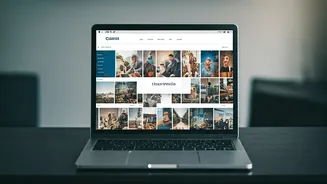
Getting started can feel daunting, but it doesn't have to be. First, curate your work. Choose your 3-5 best projects that showcase a range of your skills. Quality over quantity is crucial. Next, choose a platform. You don’t need to be a coding genius to build one. Platforms like Behance and Dribbble are great for designers. GitHub Pages allows developers to host a simple site for free. User-friendly website builders like Carrd, Webflow, or even Notion can be used to create a stunning portfolio with no code. The most important step is to focus on the narrative. For each project, write a short, clear description that explains the context and your specific contribution.
Common Mistakes to Avoid
A bad portfolio can be worse than no portfolio at all. A common error is the 'digital dump'—uploading every single project you’ve ever done. Be selective. Another frequent mistake is broken links or non-functional demos. Test everything on multiple devices and browsers before you share the link. Ensure your site is mobile-friendly, as many recruiters will review applications on their phones. Finally, don't forget your contact information. Make it incredibly easy for an impressed hiring manager to get in touch with you. A simple, professional 'About Me' page with a link to your LinkedIn profile and email address is a must.