





The Real Cost of Wasted Food
The financial sting of tossing out expired food is just one part of a much larger problem. In India, household food waste is a significant issue, with studies indicating that the average person in an urban household can discard around 50 to 55 kilograms
of food per year. This collective waste translates into a staggering economic loss for the country, estimated to be worth thousands of crores annually. When we throw away food, we're not just wasting money; we are also squandering the water, energy, and land used to produce it. This waste contributes to greenhouse gas emissions as food decomposes in landfills, creating a serious environmental impact.
The Psychology of the 'Good Deal'
Why do we fall into this trap? The allure of a bargain is a powerful psychological driver. Promotions, bulk discounts, and large packaging create a sense of value and urgency, encouraging us to buy more than we need. This behaviour is often rooted in a fear of scarcity or simply the satisfaction of securing a good deal. However, research shows a direct link between buying food on promotion and higher rates of household waste. Our good intentions to save money are often undermined by a lack of planning and a disconnect between our purchasing habits and our actual consumption needs.
Before You Shop: The Power of the Plan
The most effective strategy to combat food waste begins before you even leave the house. A few simple planning steps can make all the difference. First, take a thorough inventory of your pantry, fridge, and freezer. Knowing what you already have prevents you from buying duplicates. Second, create a weekly meal plan based on the ingredients you have on hand and what you realistically have time to cook. This turns your shopping trip from an aimless wander into a targeted mission. Finally, make a detailed shopping list from your meal plan and stick to it. This simple discipline helps curb impulse buys that often lead to waste.
Smart Storage Is Your Best Defence
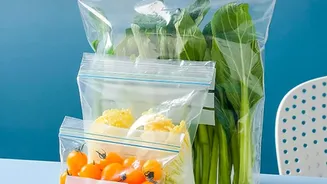
Once you bring your groceries home, proper storage is crucial for extending their life. The primary enemies of freshness are oxygen, light, humidity, and heat. Store dry goods like dals, grains, and spices in airtight containers in a cool, dark place away from the stove. Glass jars are excellent for items you use frequently, while larger, sealed containers can be used for long-term storage. For perishable items, understand the best way to keep them fresh. Some vegetables last longer in the fridge, while others prefer the countertop. Consider creating an 'eat first' bin in your refrigerator for items that are nearing their expiry to keep them visible and top-of-mind.
Differentiating Good Bulk from Bad Bulk
Not all bulk purchases are created equal. The key is to be strategic. Items with a very long shelf life that you use consistently are great candidates for bulk buying. This includes things like white rice, dried beans, and lentils. However, be cautious with perishable goods like fresh produce, dairy, and bread unless you have a specific plan to use or preserve them immediately. Buying a massive bag of spinach is only a good deal if you actually eat it all before it wilts. Items you are trying for the first time should never be bought in bulk. Start with a small quantity to ensure you and your family actually enjoy it first.
Embrace the 'Use-It-Up' Mentality
Reducing waste often requires a shift in mindset. Get creative with leftovers instead of letting them languish in the back of the fridge. Plan a designated 'leftovers night' each week to clear out containers. Learn to use food scraps—vegetable peels and ends can be used to make flavourful stocks, and stale bread can become croutons or breadcrumbs. Freezing is another powerful tool. If you know you won't be able to eat something before it spoils, freeze it for later. This presses the pause button and saves both the food and your money.