



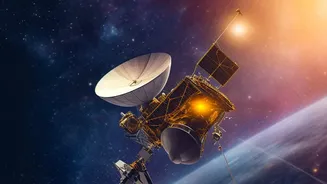
The Sun’s Turbulent Weather
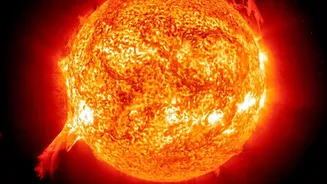
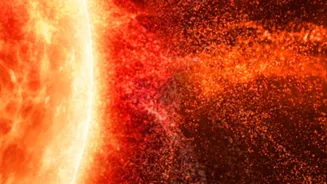
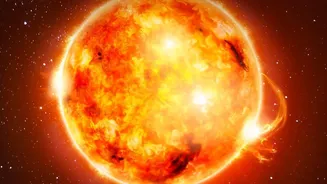
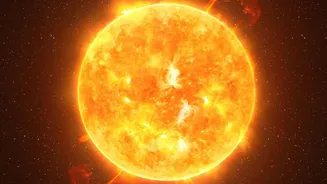
The Sun, our life-giving star, isn't always the calm, steady presence it appears to be. It has its own form of violent weather, including solar flares and coronal mass ejections (CMEs). Think of these as giant, super-heated magnetic explosions that hurl
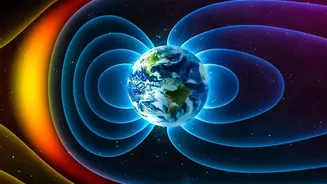
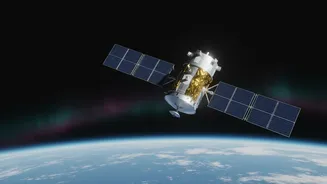
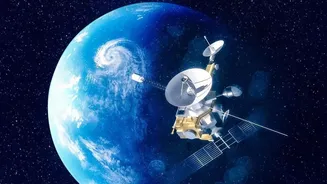
streams of charged particles and radiation into space. When Earth is in the path of one of these outbursts, we experience a solar storm. While our planet's magnetic field protects us on the ground, the story is very different for the thousands of satellites orbiting above.
When Space Weather Hits Home
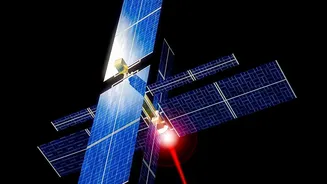
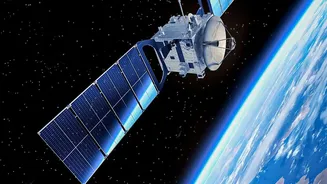
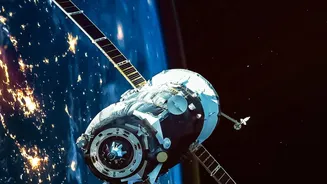
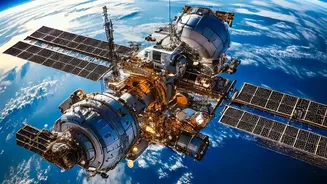
Solar storms can wreak havoc on satellites in several ways. The flood of high-energy particles can damage sensitive electronics and degrade solar panels, shortening a satellite's lifespan. More dramatically, these storms heat and expand Earth's upper atmosphere. This increases the atmospheric drag on satellites in Low Earth Orbit (LEO), causing them to slow down and lose altitude. In February 2022, a relatively minor solar storm caused about 40 newly launched Starlink satellites to fail and burn up in the atmosphere because they couldn't overcome this increased drag. The storms also disrupt the radio signals used for GPS and other communications, leading to positioning errors or complete signal loss that can affect everything from aviation to agriculture.
A New Era of Forecasting
For decades, predicting the precise impact of a solar storm has been a major challenge. However, a recent NASA-led study published in mid-2026 suggests our understanding might be flawed. The study argues that the long-held belief that Earth's response to solar storms has a natural upper limit might just be a statistical illusion. If correct, the most severe storms could have nearly double the impact previously estimated, making predictive models more critical than ever. This is where new research comes in. Scientists are increasingly using artificial intelligence (AI) to analyse vast amounts of satellite data. Models like DAGGER and the IBM/NASA collaboration 'Surya' can sift through real-time solar wind measurements to predict where and when a storm will hit with greater accuracy, sometimes offering a crucial 30-minute warning. These AI-powered systems are learning to recognise the complex patterns that precede a major event, offering a much-needed upgrade to our space weather forecasting toolkit.
Why This Matters for India
For a nation as digitally dependent as India, robust satellite infrastructure is non-negotiable. From the UPI payment system to the millions of DTH television connections and the ever-growing logistics industry relying on GPS, our economic engine is tied to space. The Indian Space Research Organisation (ISRO) actively monitors its fleet of over 50 operational satellites for solar threats. During a major storm in May 2024, ISRO noted that the orbital decay of some of its satellites increased by five to six times the normal rate, though its navigation and communication services remained largely unaffected. As India expands its satellite constellations, including the NavIC navigation system, the ability to anticipate and plan for solar storms is paramount. Better forecasting allows operators to take protective measures, such as placing satellites in a temporary 'safe mode' or performing preemptive orbital manoeuvres to counteract increased drag. This proactive approach, enabled by the latest research, is key to safeguarding billions of dollars in space assets and ensuring the stability of the digital services that millions of Indians use every day.