




More Than Just Decoration
Bringing plants into your home is about more than just aesthetics; it's an investment in your well-being. Studies have shown that the simple act of caring for a plant can reduce both psychological and physiological stress. Interacting with indoor plants can lower
blood pressure and heart rate, promoting a sense of calm and comfort. Beyond the direct interaction, the presence of greenery can sharpen your attention and boost creativity, making it a perfect addition to a home office. While the famous 1989 NASA study highlighted the air-purifying potential of plants, it's important to have realistic expectations. While plants do absorb some toxins, you would need a huge number of them to truly purify the air in a typical home. However, they do release oxygen and can contribute to a fresher feeling environment, reminding us of the simple, restorative power of nature.
Your Budget-Friendly Starter Pack
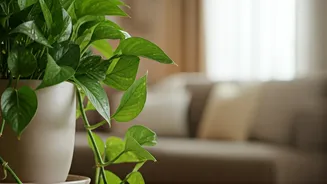
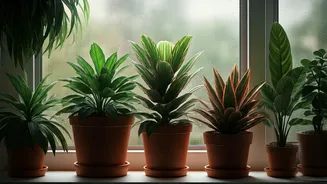
Starting your indoor garden doesn't require a hefty investment. Many of the hardiest and most beautiful houseplants are also the most affordable and forgiving. For the Indian climate, several options thrive with minimal fuss. The Snake Plant, for example, is famous for being nearly indestructible, tolerating low light and infrequent watering. Similarly, the common Money Plant (Pothos) is incredibly easy to grow and can be trained to climb or trail from shelves. Other great, low-cost choices include the resilient ZZ Plant, which thrives on neglect, and the classic Spider Plant, which is easy to care for and produces offshoots you can replant. You can often find starter versions of these plants at local nurseries or online for a very modest price, sometimes for less than a hundred rupees.
The Art of the Free Plant
The absolute cheapest way to acquire new plants is to get them for free, and it’s easier than you think through propagation. This simply means creating new plants from parts of existing ones. Many common houseplants, like the Money Plant, Syngonium (Arrowhead Plant), and Philodendron, can be easily propagated from stem cuttings. Just snip a piece of stem below a node (where a leaf grows from) and place it in a glass of water. Within a few weeks, you'll see new roots emerge, and you can then pot your new plant in soil. Another method is division, which works well for plants like Snake Plants and Peace Lilies, where you can gently separate a clump with its own roots from the main plant during repotting. Ask friends, family, or neighbours if you can take a small cutting from their mature plants; most plant lovers are happy to share.
Think Outside the Pot
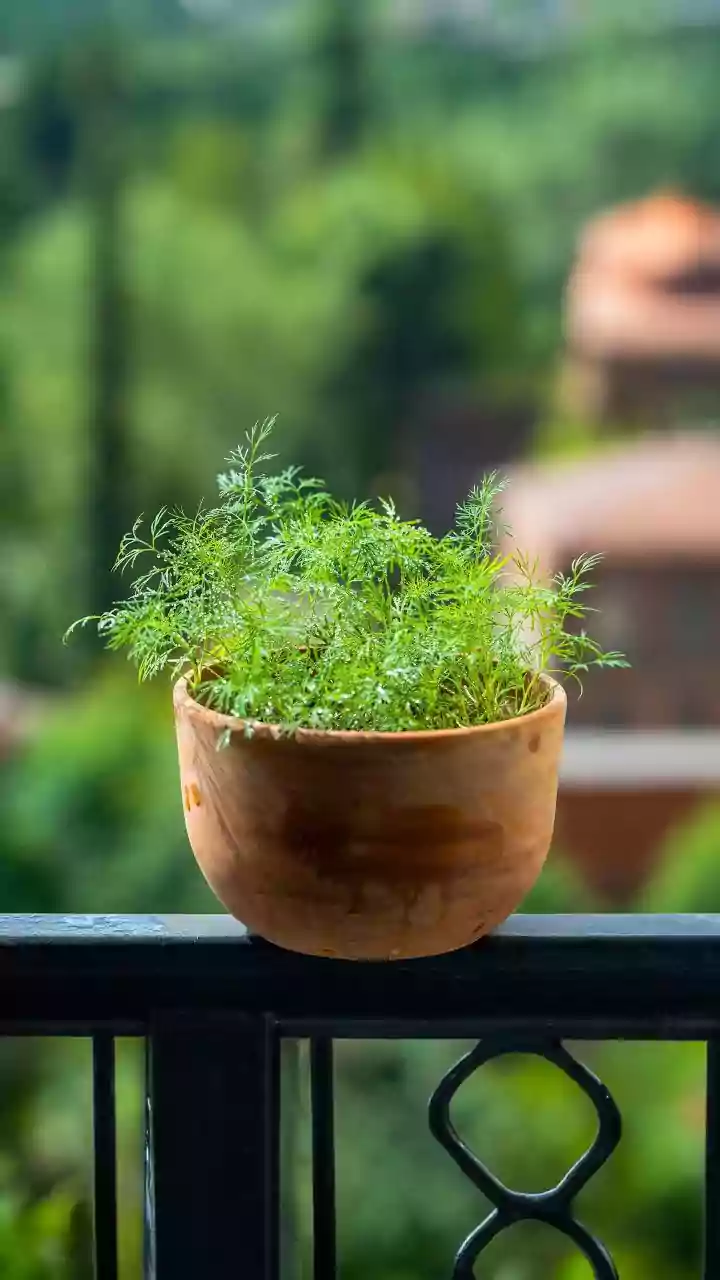
Fancy planters can be surprisingly expensive, but your plants won't mind a humble home. This is where you can get truly creative and sustainable. Almost any container can be turned into a planter with a little ingenuity. Old ceramic mugs, chipped teacups, tin cans from the kitchen, and glass jars can all make charming and quirky homes for smaller plants like succulents or herbs. Just be sure to add a layer of gravel at the bottom for drainage if the container doesn't have holes. For larger plants, you can upcycle old buckets, paint cans, or even sturdy plastic containers. A coat of paint can transform a simple tin can into a decorative piece. This approach not only saves money but also reduces waste and adds a unique, personal touch to your home decor.
Smart Care That Costs Nothing
Once you have your plants, caring for them is more about knowledge than money. The most common mistake beginners make is overwatering, which is free to avoid. Always check if the top inch or two of soil is dry before watering again. Understanding the light needs of your specific plant is also crucial. Most of the easy-care plants mentioned thrive in bright, indirect light, so a spot near a window but not in the direct, harsh sun is often perfect. You don't need expensive fertilisers either. You can create a simple nutrient boost by soaking banana peels in water overnight and using that water for your plants, or by adding used, cooled coffee grounds or tea leaves to the soil occasionally. Regularly wiping the leaves with a damp cloth not only keeps them looking shiny and beautiful but also helps them breathe and absorb light more effectively.