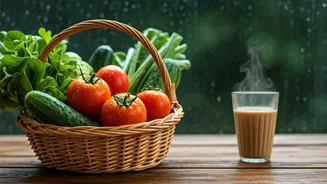







The Monsoon Food Trap
As the rain pours down, the air becomes thick with moisture. This combination of humidity and moderate warmth creates the perfect breeding ground for bacteria, mould, and fungi. Foods that would normally last for days in the refrigerator can spoil much
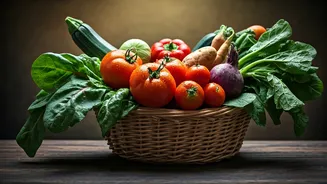
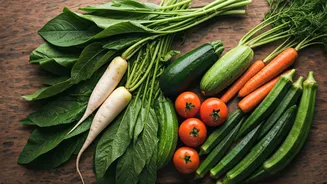
faster. This isn't just about food going 'off'; it’s about the rapid multiplication of harmful microorganisms like E. coli and Salmonella, which thrive in damp conditions. Even raw vegetables, especially leafy greens, can harbour more contaminants due to soil and water runoff, making them riskier if not handled and cooked properly.
Why Your Fridge Becomes a Gamble
We rely on our refrigerators to keep our food safe, but frequent power cuts during the monsoon can turn this trusted appliance into a liability. Every time the power goes out, the temperature inside your fridge rises, entering the 'danger zone' (between 5°C and 60°C) where bacteria multiply exponentially. When the power returns, the fridge cools down again, but the damage may already be done. You can't always see, smell, or taste these dangerous bacteria. This is the essence of 'fridge roulette': you're betting that your food remained safe through intermittent cooling, a risky proposition that can lead to stomach infections, food poisoning, and other digestive ailments.
The Undeniable Advantage of Freshly Cooked Meals
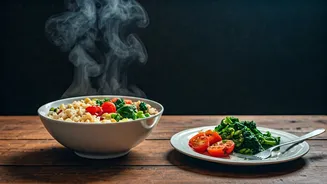
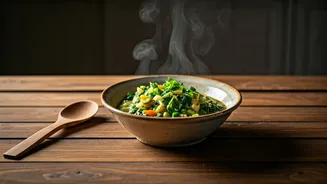
The simplest way to bypass these risks is to embrace the habit of cooking and eating fresh. A hot, freshly prepared meal is significantly safer for several reasons. Firstly, the cooking process kills most harmful bacteria and pathogens. Secondly, there is no storage time during which contamination or spoilage can occur. Beyond safety, fresh food offers superior nutrition. Vitamins and minerals in vegetables and other ingredients degrade over time, so a meal cooked from fresh produce is far more nourishing than one that has been sitting in the fridge for a day or two. Plus, let's be honest, nothing beats the taste and aroma of a meal made right then and there.
Smart Strategies for Monsoon Meals
Switching to a 'fresh-only' diet doesn't have to be a chore. It’s about planning smartly. Instead of bulk-buying groceries for the week, try to purchase smaller quantities of vegetables and proteins every two days. This reduces waste and ensures you're always using fresh ingredients. Plan simple, quick-to-cook meals. Think one-pot wonders like khichdi, dal rice, or a quick vegetable stir-fry. These dishes are not only comforting on a rainy day but also come together in under 30 minutes, making them practical for busy weekdays. Keep your pantry stocked with staples like lentils, rice, spices, and long-lasting vegetables like onions, potatoes, and garlic to build your meals around.
Safe Handling and Storage Habits
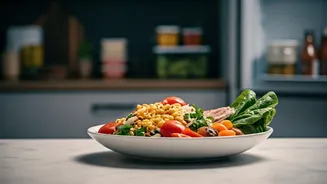
If you absolutely must store leftovers, do so with caution. Cool the food as quickly as possible before refrigerating it, and store it in airtight containers. Aim to consume any leftovers within 24 hours, and always reheat them thoroughly until steaming hot before eating. For vegetables, especially leafy greens, wash them with extra care. A soak in a solution of potable water with a bit of vinegar or turmeric can help remove surface contaminants. It's also wise to favour cooked salads over raw ones during this season. Peel fruits and vegetables whenever possible, as the skin can trap microbes from contaminated water or soil.