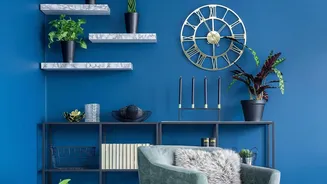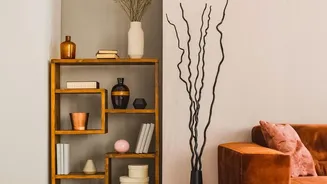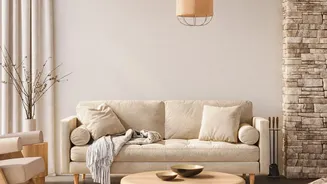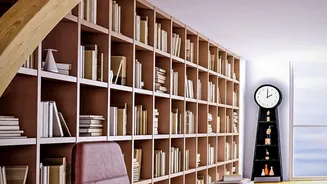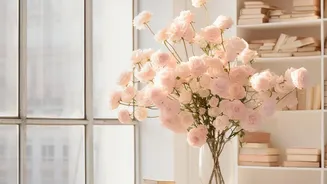





Bookshelves are more than just storage; they're a chance to tell a story about who you are. But turning a cluttered collection of books and knick-knacks into a stylish focal point can feel daunting. Here’s how to do it cleanly and effectively.
1. Start With a Blank Slate
The first
step to a beautifully styled bookshelf is to take everything off. Before you can curate, you need to see the space you're working with. Emptying the shelves completely allows you to clean them properly and assess the blank canvas. This fresh start helps you break free from old arrangements and approach the task with a new perspective, making it easier to visualize a more intentional and organized layout.
2. Curate Your Collection
A styled bookshelf isn't about displaying every single book you own. It's about showcasing the ones that matter to you or contribute to the room's aesthetic. Be selective. Group your books by category, genre, or even colour if you're aiming for a strong visual statement. Consider which books have beautiful spines that you want to feature. This editing process is crucial; it’s the difference between a storage unit and a design feature.
3. Vary Book Orientation
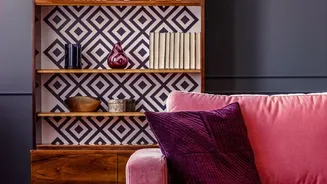
Avoid lining up all your books vertically like soldiers in a row. Professional stylists create visual rhythm by mixing vertical stacks with horizontal ones. Laying a few books flat creates small platforms for decorative objects, adding dimension and breaking up the monotony of endless spines. This simple trick instantly makes your shelves feel more dynamic and thoughtfully arranged.
4. Embrace the Rule of Threes
When grouping decorative items, think in odd numbers. The 'rule of threes' is a classic design principle for a reason: it creates arrangements that feel more natural and visually appealing than symmetrical groupings. Cluster three objects of varying heights and textures—a small vase, a framed photo, and a sculptural piece, for example. This creates a small, contained story (or vignette) on each shelf.
5. Play with Height and Scale
A common mistake is using items that are all the same size, which makes a shelf feel flat. To create a dynamic display, you need variety in height and scale. Place taller items like vases or upright art toward the back to create depth, and use stacks of books to elevate smaller objects. This ensures the eye travels up and down, and across the shelf, making the entire display more engaging.
6. Add Personal and Textural Objects
Your shelves should reflect your personality. Incorporate objects that hold personal meaning, like travel souvenirs or family photos in quality frames. Mix in different materials and textures to add warmth and interest. Think about combining smooth ceramics, rough wooden objects, metallic frames, and soft greenery. This textural contrast prevents the display from feeling sterile or like a store showroom.
7. Don't Forget Negative Space
One of the most significant mistakes in shelf styling is overcrowding. Empty space, or 'negative space', is not wasted; it's an essential design element that gives your items room to breathe. It allows the eye to rest and appreciate individual pieces, preventing the entire bookshelf from looking like a wall of clutter. A well-styled shelf feels intentional, and leaving some open space is key to achieving that look.