

Sabudana Khichdi from Maharashtra
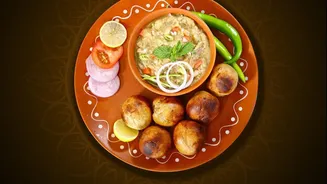
Perhaps the most iconic fasting dish in India, Sabudana Khichdi is a staple in Maharashtrian households during Sawan. Made from soaked tapioca pearls (sabudana), it’s a light yet incredibly filling preparation. The pearls are tossed in ghee with roasted
peanuts, boiled potatoes, cumin seeds, and green chillies. The result is a delightful mix of soft, chewy, and crunchy textures. A final squeeze of lemon juice and a garnish of fresh coriander brighten up the flavours, providing a quick and sustained source of energy for a long day of fasting.
Kuttu ki Puri from North India
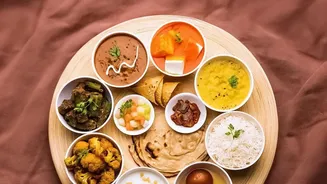
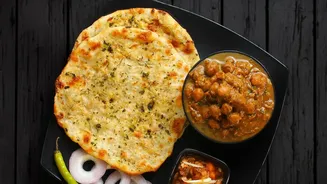
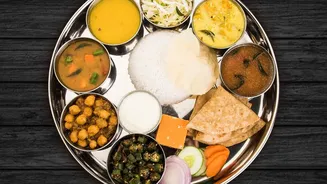
In the northern states, particularly Uttar Pradesh, Punjab, and Delhi, Sawan fasts often feature Kuttu ki Puri. These deep-fried, gluten-free breads are made from buckwheat flour (kuttu ka atta). The flour is typically kneaded with boiled and mashed potatoes to help bind the dough, which is then seasoned with rock salt (sendha namak). Fried until crisp and dark brown, these pooris have a unique nutty flavour and a satisfyingly hearty texture. They are most commonly served with a simple potato curry, often called 'vrat wale aloo', which is prepared without onion or garlic.
Makhana Kheer from Bihar
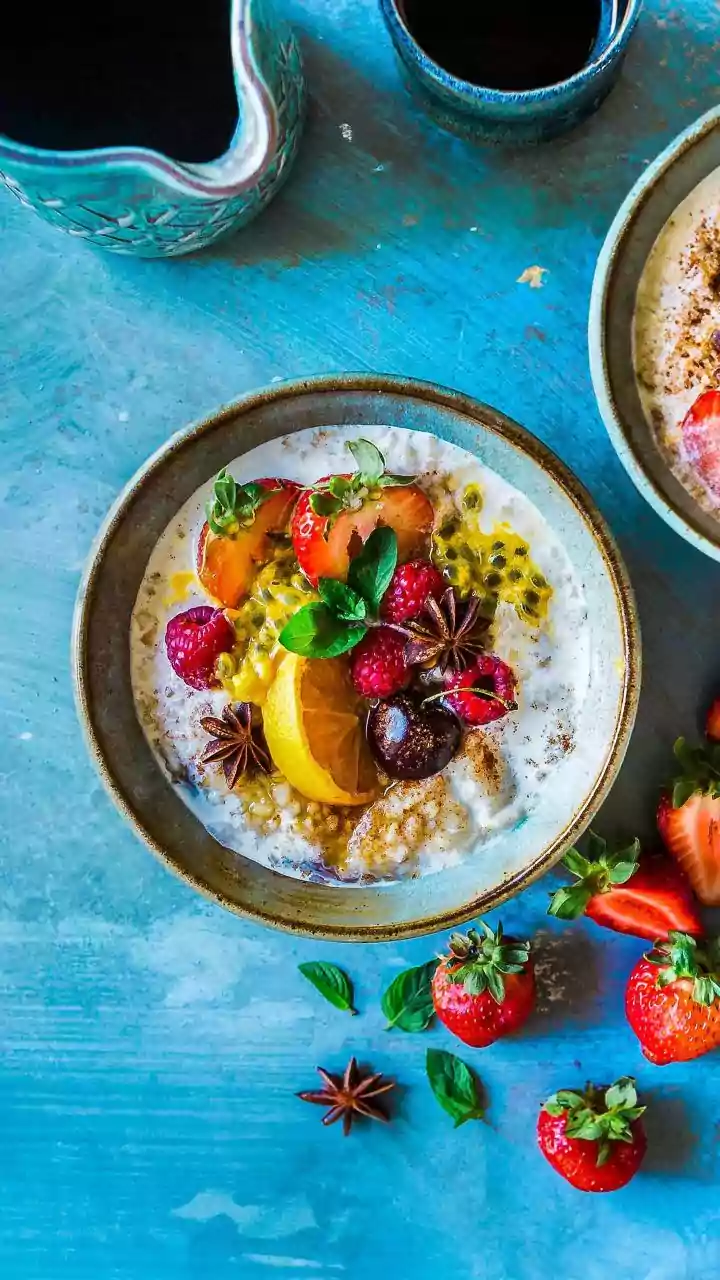
Hailing from the regions of Bihar, where fox nuts (makhana) are cultivated extensively, Makhana Kheer is a beloved dessert during fasting periods. This creamy pudding is both nutritious and sattvic. The makhana are lightly roasted in ghee until crisp, then simmered in milk until they soften and the milk thickens. Sweetened with sugar and delicately flavoured with cardamom powder and saffron, it’s often studded with chopped nuts like almonds and pistachios. It’s a light, comforting dessert that feels indulgent without being heavy.
Farali Misal from Gujarat
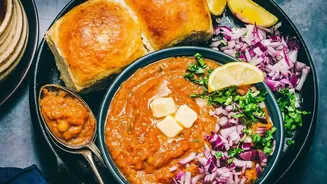
Gujarat offers a fasting-friendly take on the fiery Maharashtrian misal with its Farali Misal. While traditional misal uses sprouted lentils, the 'farali' or fasting version builds its base on potatoes and peanuts. It typically consists of a flavourful potato curry cooked in a nutty gravy made from roasted peanuts and coconut. This is often served over a bed of sabudana khichdi and topped with a crunchy 'farali chivda'—a snack mix made from fried potato straws and nuts. It’s a complete meal that showcases how fasting food can be complex, multi-layered, and incredibly tasty.
Singhare ka Halwa from Rajasthan
A sweet treat popular in Rajasthan and other parts of North India, Singhare ka Halwa is made from water chestnut flour (singhare ka atta). This flour has a distinct brownish colour and a nutty taste. To make the halwa, the flour is roasted in a generous amount of ghee until it releases a fragrant aroma. Sugar and water (or milk) are then added, and the mixture is cooked until it forms a dense, glossy, and crumbly sweet pudding. Garnished with nuts, this halwa is rich and provides warmth and energy, making it a perfect dessert during the monsoon fasts.
Samak Rice Khichdi from Madhya Pradesh
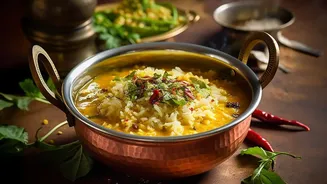
When regular rice is off the menu during fasts, barnyard millet, known as 'samak rice' or 'vrat ke chawal', comes to the rescue. In Madhya Pradesh, it is often prepared as a simple and comforting khichdi. The millet is cooked with potatoes, peanuts, and mild spices like cumin and green chillies, much like its sabudana counterpart. The resulting dish has a soft, porridge-like consistency that is light on the stomach and easy to digest, making it an ideal meal for breaking a fast during the humid Sawan evenings.
Arbi Fry from Uttarakhand
Colocasia root, or arbi, is a versatile vegetable that is widely permitted during Hindu fasts. In the hills of Uttarakhand, where Sawan is observed with deep reverence, arbi is prepared in a simple yet delicious stir-fry. The boiled arbi is often flattened slightly and then pan-fried in ghee with ajwain (carom seeds), green chillies, and rock salt until it turns crisp and golden. This humble root vegetable transforms into a satisfying snack or side dish that pairs wonderfully with kuttu ki puri or a bowl of plain curd.