

The New Festive Plate
For generations, festive food in India meant unwavering tradition. But today, a creative shift is reshaping menus for festivals and celebrations. Caterers and chefs are now presenting thoughtful fusion dishes that surprise the palate while retaining a comforting,
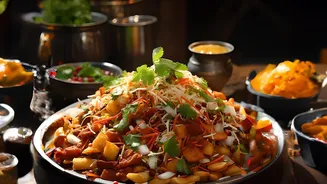
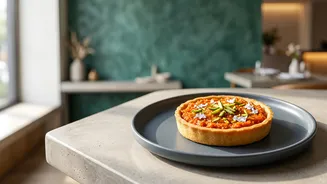
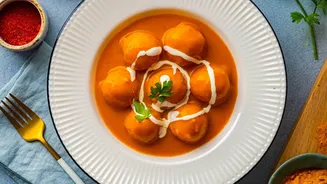
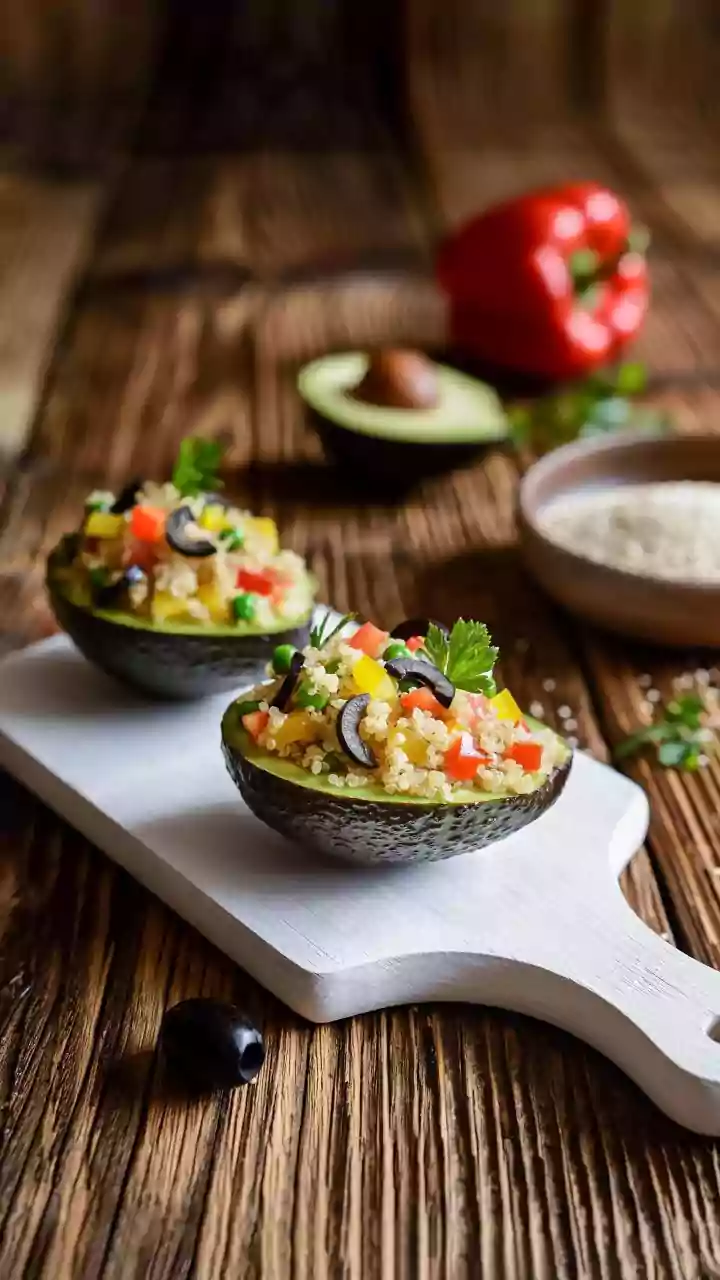
familiar base. Imagine live stations at a wedding serving not just pasta, but also hand-rolled sushi and steaming bao buns. Dessert counters are moving beyond kulfi and gulab jamun to feature items like gulab jamun cheesecake jars, filter-coffee tiramisu, and even gajak fondue. This trend shows a thoughtful blend of cuisines, such as miso-butter dal makhani or tandoori lasagna bites, which are becoming stars of the modern celebratory feast. This isn't about replacing the classics but expanding the definition of what festive food can be.
What's Driving the Change?
Several factors are stirring the pot of culinary innovation. Post-pandemic, there's a greater willingness among families to spend more on unique wedding and event experiences, with food being a primary focus. This is coupled with the rise of a younger generation of diners—Gen Z and millennials—who are more travelled, exposed to global trends via social media, and eager for authentic, yet novel, global flavours. The result is a demand for menus that are interactive, innovative, and deeply personal. As guest lists for events sometimes shrink, the spend per head often increases, allowing for more extravagant and experimental culinary offerings that become a core part of the entertainment itself.
The Chef's Creative Canvas
This culinary evolution is being led by chefs who are reinterpreting traditional dishes with progressive techniques and global ingredients. Chefs like Manish Mehrotra have built a reputation on turning Indian food into an art form, blending the old with the new in dishes that have raised the bar for fine dining. This innovative spirit is also seen in how chefs are approaching festive menus for Christmas, moving beyond generic buffets to offer curated experiences like Japanese-inspired festive plates. Many chefs are drawing inspiration from their own family recipes, infusing them with a modern twist. For example, a traditional Syrian Christian duck curry might appear on a menu alongside dishes from Nagaland and Goa, celebrating the diversity of India's own culinary traditions while presenting them in a contemporary format. Even celebrity chefs like Sanjeev Kapoor are advocating for simple swaps to make traditional dishes lighter or more modern without losing their essential character.
Tradition Is Not Disappearing
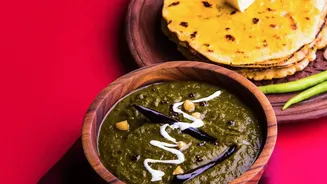
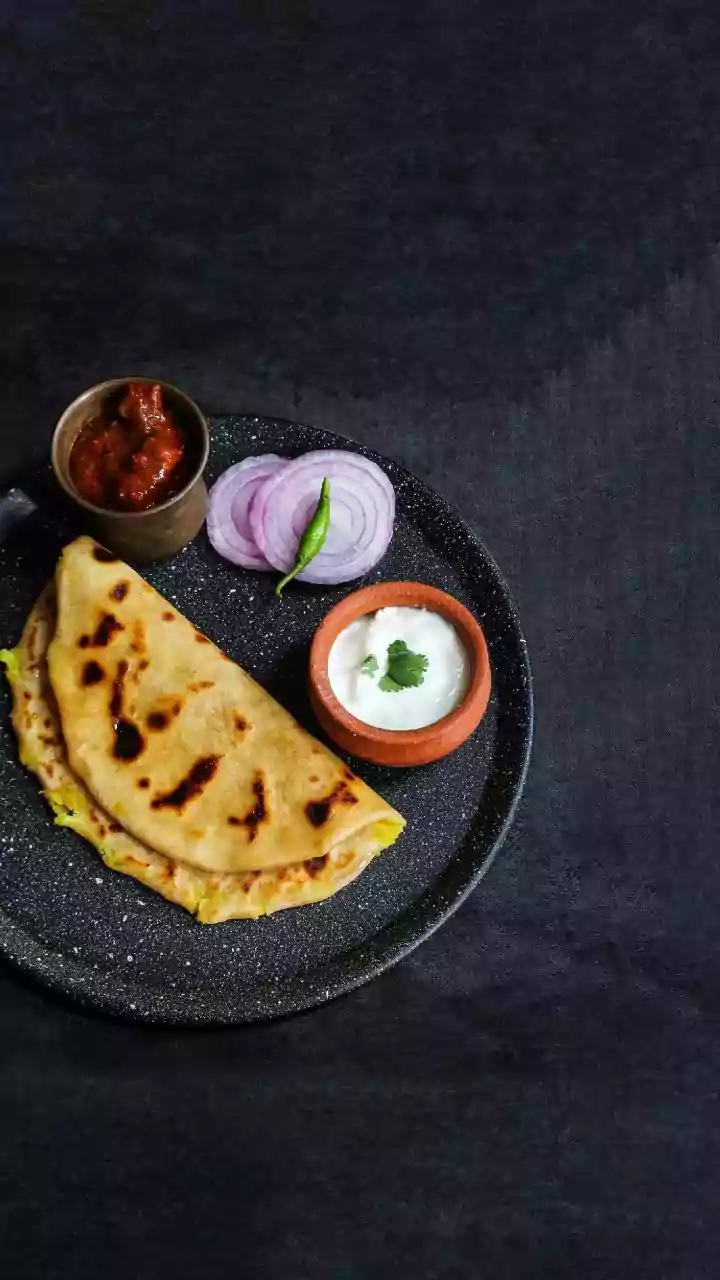
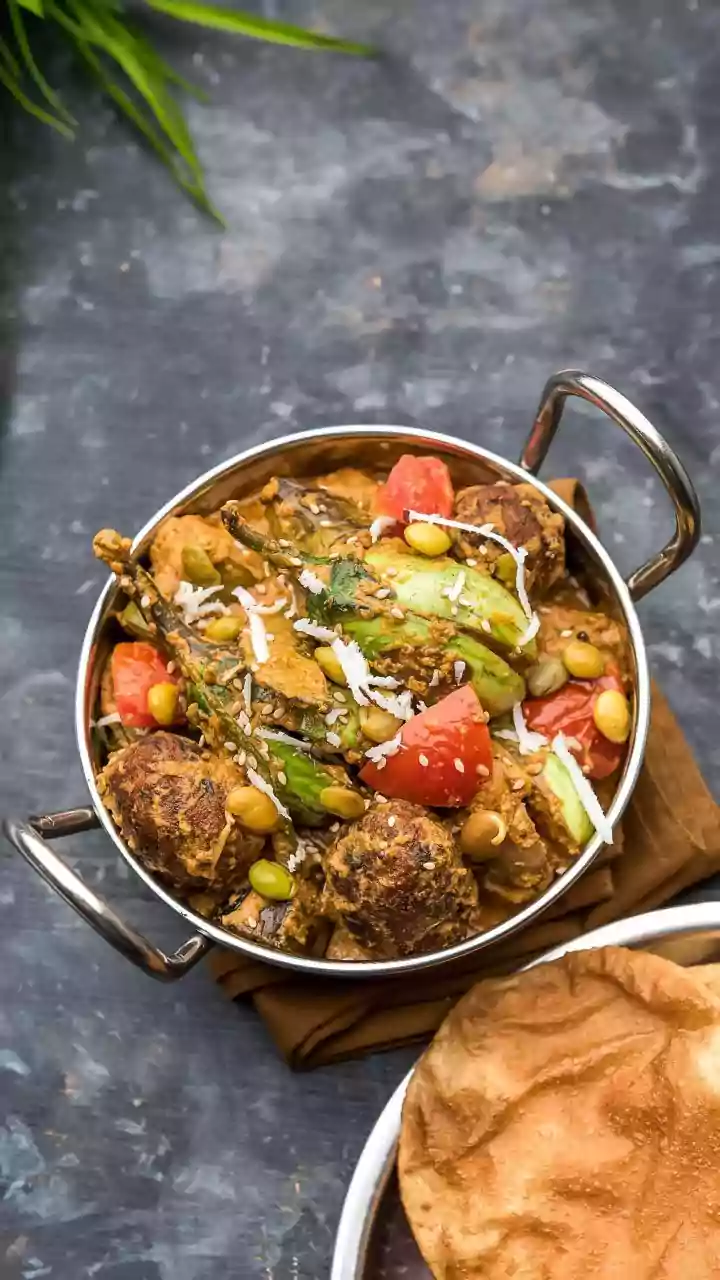
Despite the influx of global sauces and fusion concepts, the heart of the Indian festive menu remains deeply rooted in tradition. Experts note that while receptions and parties have become spaces for experimentation, the core ceremony meals, like the muhurtham feast at a wedding, remain staunchly traditional. This indicates a balancing act: a desire for new experiences without letting go of cultural heritage. The trend is less a replacement of the old and more of a curated expansion. For instance, while a fusion menu might be chosen for a reception, other events during the same celebration might feature a hyper-regional spread, showcasing specific cuisines like Chettinad, Malvani, or Kumaoni. This dual approach allows hosts to honour their roots while also providing guests with a memorable and modern culinary journey.