


Flavours Meld and Marry
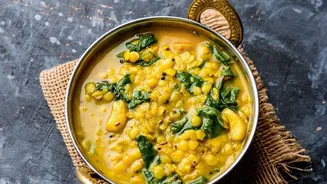
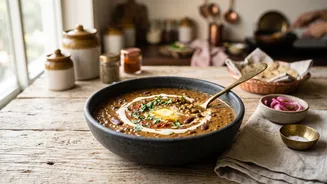
The most significant change that happens when a cooked dish rests is a process food scientists call 'flavour equilibration'. When you first cook a complex Indian dish like a rogan josh or a dal makhani, you are combining dozens of ingredients: aromatics
like ginger and garlic, whole and ground spices, fats like ghee or oil, and acidic elements like tomatoes or tamarind. While cooking begins the process, the flavours haven't fully integrated. Overnight in the refrigerator, these different flavour compounds continue to mingle and migrate. The sharp, distinct notes of individual spices mellow, blending to create a more rounded, harmonious, and complex flavour profile. What tasted like separate notes of cumin, coriander, and chilli now tastes like a single, unified sauce.
The Chemistry of Aroma and Spices
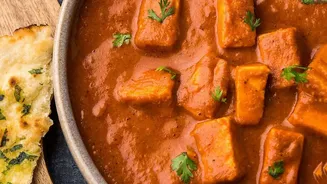
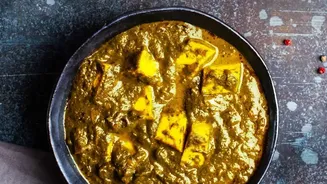
Many of the aromatic compounds in spices like cardamom, cloves, and turmeric are fat-soluble. This means they dissolve in oil, not water. During the initial cooking, these essential oils are released into the ghee or oil. As the dish cools and rests, these fats have more time to evenly distribute their flavour load throughout the entire dish. The ingredients, like pieces of paneer or chicken, act like sponges, soaking up the flavourful sauce. What was once just a coating becomes a deep, internal seasoning. Furthermore, chemical reactions continue even after the heat is off. Proteins in meat can continue to break down into smaller, more flavourful amino acids, enhancing the savoury 'umami' taste.
Texture Gets a Makeover
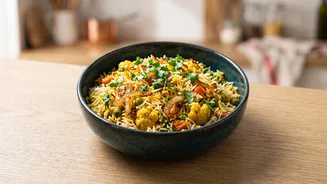
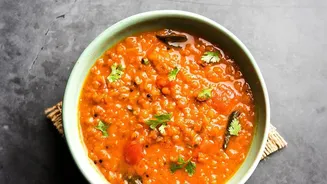
Texture also plays a crucial role in our perception of taste. Many Indian dishes contain starches from lentils, potatoes, or rice. When these starchy foods are cooked and then cooled, they undergo a process called starch retrogradation. The starch molecules reorganise and can trap surrounding flavour compounds within their new structure. This process often results in a thicker, more velvety gravy that clings better to rice or bread, delivering more flavour in every bite. For meats cooked on the bone, collagen breaks down during cooking into gelatine. As it cools, this gelatine sets into a jelly, trapping even more flavour. When you reheat the dish, this flavour-packed gelatine melts, creating a silky, rich mouthfeel.
The Reheating Renaissance
Finally, the act of reheating itself provides a last burst of aromatic magic. Gently reheating a curry or dal on the stovetop re-releases volatile aromatic compounds. These are the fragrant molecules that create the wonderful aroma that fills your kitchen. This second bloom of aroma enhances the tasting experience before you even take a bite, as our sense of smell is deeply linked to our sense of taste. While the microwave is quick, reheating on a stovetop is often preferred as it allows for more even heating and a small amount of water evaporation, which can further concentrate the flavours of the now-perfectly-melded sauce. So next time you have leftovers, you can look forward to a meal that isn't just as good as the first time, but scientifically better.