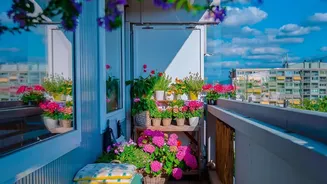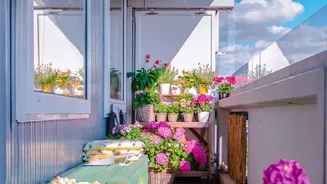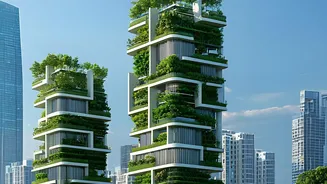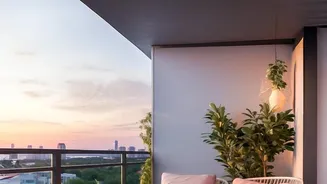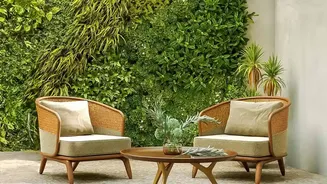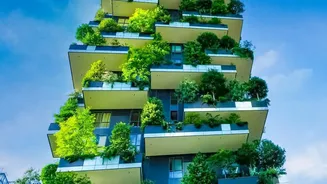

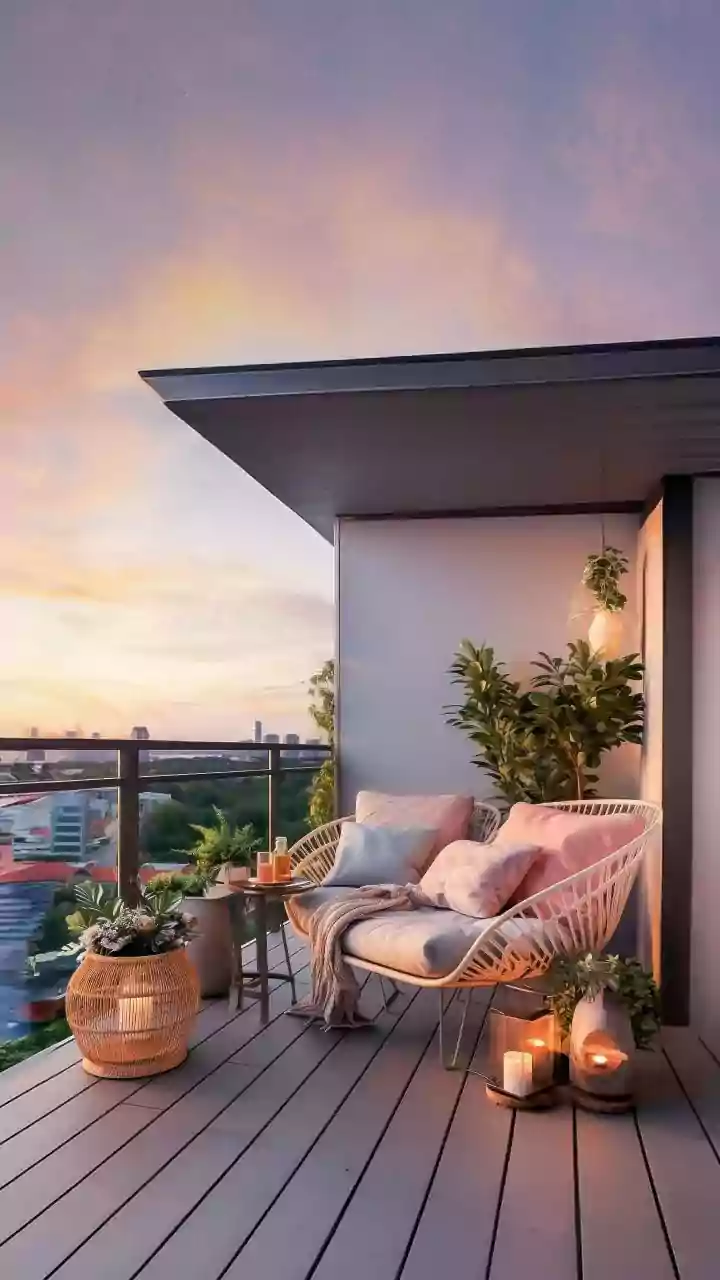
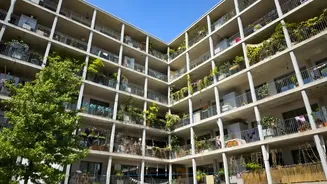

For city dwellers, a balcony is a precious slice of the outdoors. But how do you cultivate a lush garden without sacrificing your only space for a morning cup of chai? The answer is to grow up, not out, with vertical planting systems.
More Greenery, Less Footprint
The most obvious
benefit of going vertical is maximising your growing area. Instead of a few pots scattered on the floor, you can use wall space, railings, and vertical air space to multiply your planting capacity exponentially. This allows you to create a dense, vibrant green wall that turns a plain balcony into a private oasis. But the advantages go beyond just saving space. Vertical arrangements can improve air circulation around your plants, which helps prevent fungal diseases. They also lift your plants to eye level, making them easier to water, prune, and admire without constant bending or crouching.
Choosing Your Vertical System
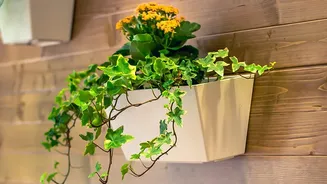
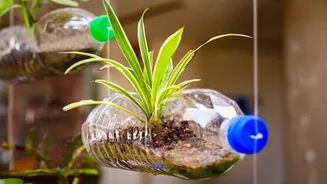
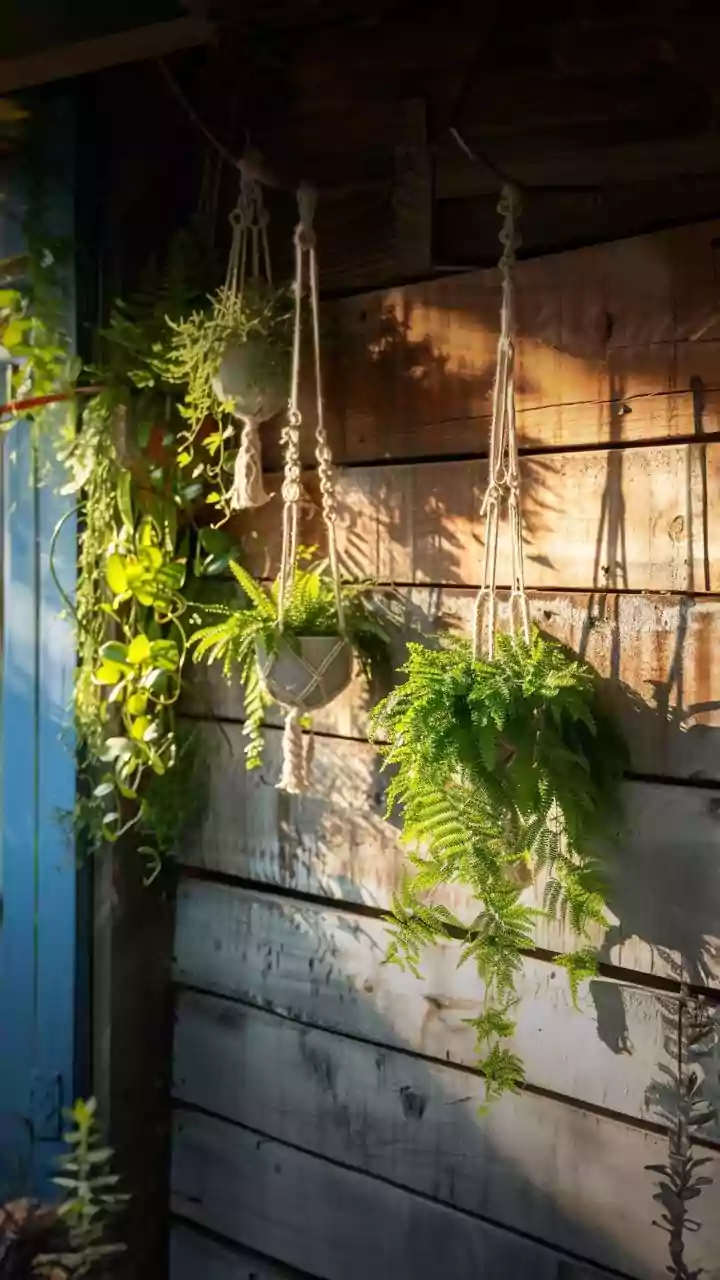
Vertical gardening is incredibly versatile, with systems to suit every budget and style. Stackable planters are a clever, modular solution perfect for growing herbs like mint and parsley. Wall-mounted pocket planters, often made of felt, are lightweight and ideal for a mix of flowers and greens. For those who want to grow climbers or vining vegetables, a simple trellis fixed to a wall is a fantastic option. You can also find tiered plant stands, which function like a bookshelf for your pots, or even repurpose items like wooden pallets or hanging shoe organisers for a rustic, DIY approach.
The Right Plants for the Right Height
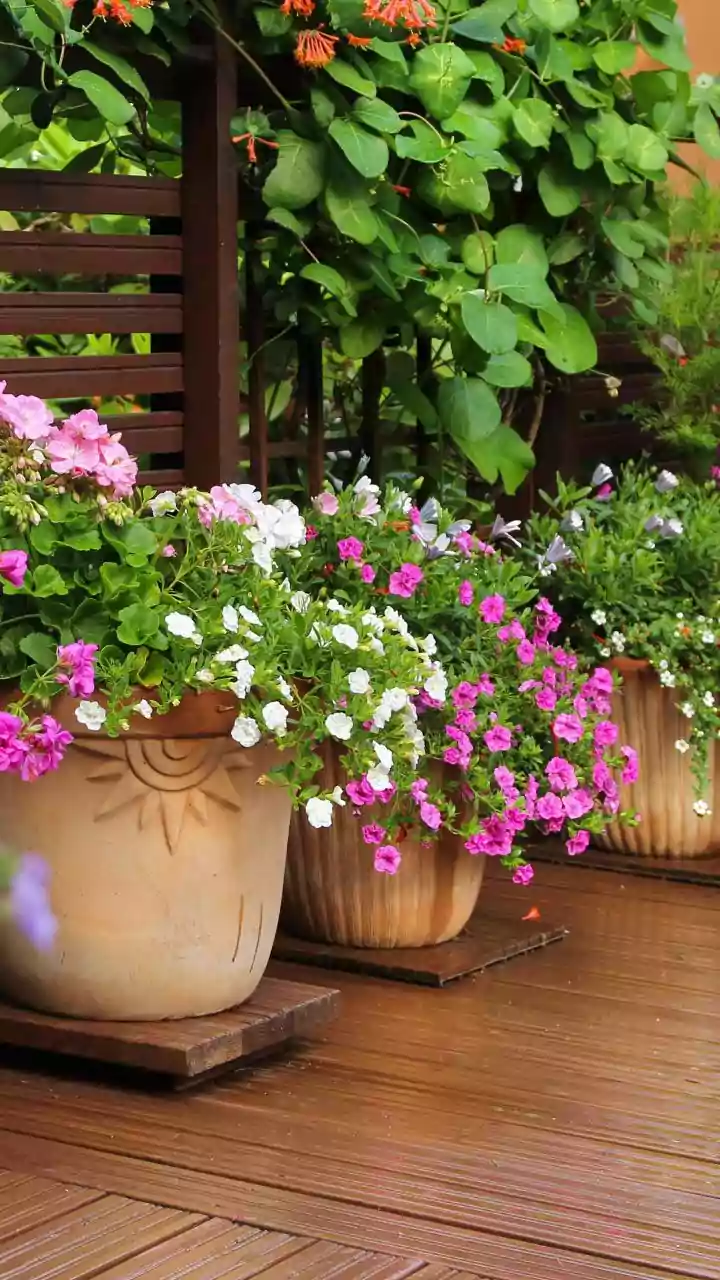
Success in vertical gardening depends on choosing plants that suit the conditions. Before you buy anything, observe your balcony to understand its sun exposure. For sunny, hot spots, heat-tolerant plants like Portulaca and the ever-blooming Vinca (Sadabahar) are excellent choices that are popular in Indian climates. Trailing flowers like Petunias and miniature Bougainvillea also thrive in the sun and create a beautiful cascading effect. If your balcony is shadier, you have great options too. The nearly indestructible Money Plant (Pothos), lush ferns, and various Philodendron species will flourish with indirect light, creating a cool, green retreat. Many herbs, such as cilantro (dhania), mint (pudina), and even ajwain, have shallow root systems and do wonderfully in vertical containers.
Aesthetic and Environmental Perks
A vertical garden is more than just a space-saver; it’s a living piece of art. It can transform a stark wall into a textured, colourful focal point and act as a natural privacy screen from neighbours. Plants also serve as natural air purifiers, filtering pollutants and improving the air quality around your home. Furthermore, a wall of green can help reduce noise and can even have a cooling effect, absorbing sunlight and making your balcony a more comfortable place to relax on warm afternoons.
Getting Started: Tips for Success
Starting a vertical garden is easier than it looks. Begin by choosing a location and a system that matches your balcony's size and weight limits — remember that wet soil is heavy. Use a lightweight potting mix to keep the overall load down. When planting, group plants with similar light and water needs together to simplify care. For instance, keep succulents and herbs that prefer drier soil separate from thirsty ferns and tropicals. Start small with a few manageable planters. As you gain confidence, you can expand your vertical oasis, adding new layers and plants over time.