


The Magic of a Himalayan Autumn
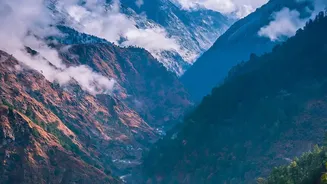
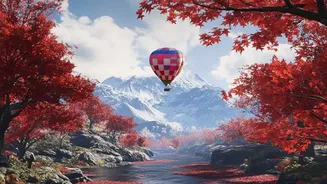
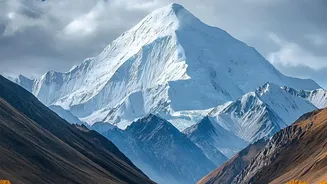
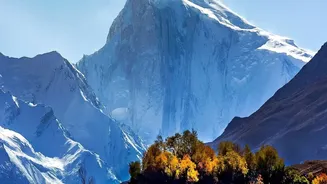
As the monsoon rains recede, the Himalayas undergo a magical transformation. The air becomes exceptionally clear, revealing sharp, panoramic views of the snow-capped peaks against brilliant blue skies. This post-monsoon period, from late September to
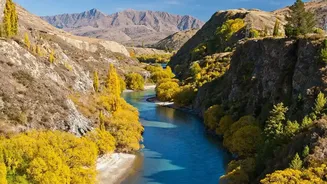
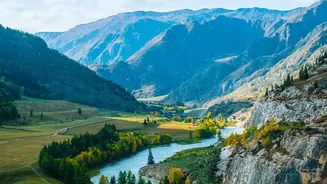
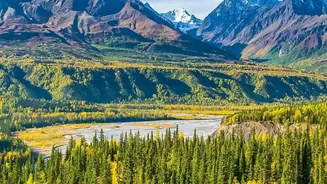
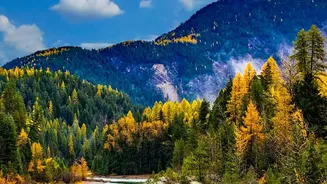
November, is arguably the best time to explore the mountains. The landscape, still lush from the rains, begins to blush with the golden and russet hues of autumn. The weather is comfortably cool during the day, perfect for long walks and treks, while evenings are crisp and ideal for a bonfire. It’s a season that offers the perfect balance of pleasant climate and stunning natural beauty, without the tourist rush of the peak summer months.
Tirthan Valley: A Riverside Sanctuary
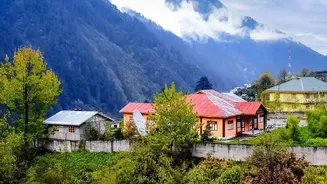
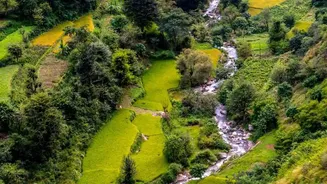
Nestled in the Kullu district, Tirthan Valley is an adventurer's and nature lover's paradise, named after the pristine Tirthan River that flows through it. Unlike many commercialised destinations, its charm lies in its untouched feel. The valley serves as the gateway to the Great Himalayan National Park (GHNP), a UNESCO World Heritage Site teeming with diverse flora and fauna. Autumn is a fantastic time for trout fishing in the crystal-clear river or embarking on short hikes to nearby waterfalls like the beautiful Chhoie Waterfall. You can spend your days exploring traditional villages like Gushaini, enjoying the warm hospitality of local homestays, or simply relaxing by the river, listening to its gentle murmur. The entire valley exudes a sense of tranquility that lets you disconnect and recharge.
Shoja: A Quiet Hamlet Above the Clouds
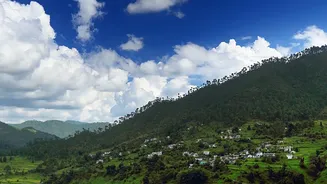
Perched at a higher altitude of about 2,700 metres, Shoja is a small, quiet village that offers a different perspective of the Seraj region. If Tirthan is about the river, Shoja is about the expansive mountain views and dense deodar forests. This hamlet is for those who seek true solitude and a slower pace of life. The main draw here is its proximity to the Jalori Pass, located just a short drive away. From the pass, you can take on two popular day treks: one to the sacred Serolsar Lake, a serene water body surrounded by thick woods, and the other to the ruins of Raghupur Fort, which offers a breathtaking 360-degree panorama of the Himalayas. The simplicity of Shoja, with its handful of traditional homes and guesthouses, is its biggest strength.
Why They Remain 'Offbeat' Gems
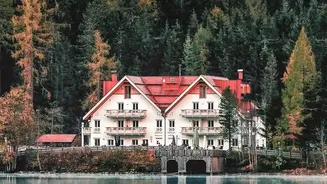
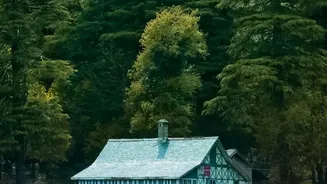
In an age where even remote places have become Instagram-famous, Shoja and Tirthan Valley have managed to retain their authentic charm. Their 'offbeat' status comes from being less commercialised compared to mainstream destinations like Shimla and Manali. You won't find large resorts or bustling mall roads here. Instead, accommodation is dominated by warm, family-run homestays and rustic guesthouses that offer a genuine taste of Himachali culture and hospitality. The focus is on experiences—trekking, fishing, interacting with locals, and connecting with nature—rather than a checklist of tourist spots. This emphasis on sustainable and slow travel has preserved the region's peaceful atmosphere, making it a sanctuary for those looking to escape the grid.
Planning Your Autumn Trip
The best window for an autumn visit is from October to mid-November. To reach the area, the most common route is to take an overnight bus or drive from Delhi to Aut, a small town on the Kullu-Manali highway. From Aut, Tirthan Valley (Gushaini, Nagini) is about an hour's drive, while Shoja is a bit further up, often via Jibhi. Packing in layers is key; you’ll need light clothes for sunny afternoons and warmer jackets or woollens for the chilly evenings and nights. Temperatures can range from 8°C to 20°C depending on the altitude and time of day. While connectivity has improved, it's wise to carry some cash, as digital payments might not work everywhere, especially in higher areas.