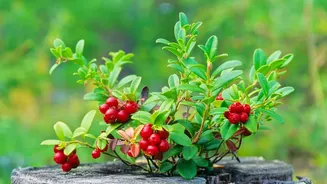





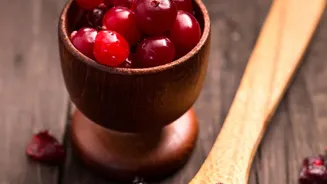
The idea of harvesting tart, ruby-red cranberries from your own home is an exciting prospect for any gardener. But these unique plants have needs that defy typical houseplant care, requiring a special setup to thrive indoors.
The Soil Situation: Acidity is Non-Negotiable
The single most important
factor for growing cranberries is soil acidity. These plants are calcifuges, meaning they cannot tolerate alkaline conditions. They require a soil pH between 4.0 and 5.5, which is significantly more acidic than standard potting mix. Attempting to grow them in regular garden or houseplant soil will almost certainly lead to failure, as the wrong pH locks out essential nutrients like nitrogen and phosphorus, and can lead to toxic levels of others like calcium. To succeed indoors, you must use an ericaceous compost, typically formulated for azaleas or rhododendrons, or create your own mix of peat moss and coarse sand. Using rainwater for watering is also highly recommended, as the minerals in most tap water can slowly raise the soil's pH over time.
Watering Wisdom: Mimicking the Bog
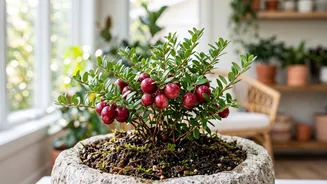
While we picture cranberries growing in flooded bogs, this practice is primarily for harvesting efficiency, not a growing requirement. The plants themselves do not grow underwater. However, they do demand consistently moist soil that mimics their native boggy habitat. The key is to keep the growing medium damp but not waterlogged, as the roots still need aeration to prevent rot. For container growing, this means choosing a pot with excellent drainage. A wide, shallow container is often better than a deep one, as cranberries have shallow root systems that like to spread horizontally. Trough-style planters or window boxes are excellent choices. A self-watering container can make moisture management much easier.
Light and Location: Fueling the Fruit
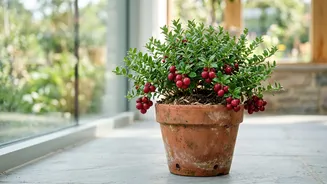
Cranberries need full sun to produce a good harvest. An indoor location should provide at least six hours of direct sunlight per day. A south-facing windowsill is often the best spot. Without adequate light, the plant may grow vines but will likely fail to produce the uprights that bear flowers and fruit. Once established, cranberry plants are low-growing, spreading vines. For a single plant, a container that is at least 12 inches wide provides a good start, giving the runners room to spread. More surface area is generally better for this plant's growth habit.
The Winter Chill: A Mandatory Rest
Perhaps the most challenging aspect of growing cranberries indoors is providing the necessary winter chilling period. These plants require a significant number of 'chill hours'—prolonged exposure to cold temperatures—to break dormancy and trigger proper flowering in the spring. Sources suggest cranberries need between 650 and 1500 hours of temperatures below 45°F (7°C). Without this cold period, blossoming can be abnormal or fail to occur at all. For an indoor gardener, this means you cannot simply keep your cranberry plant in a warm living room yearround. It will need to be moved to an unheated garage, a protected balcony, or another cold location for the winter months to satisfy this crucial requirement.
Pollination: The Path to Berries
Cranberry flowers are not typically selffertile and require pollinators to move pollen from one flower to another to produce fruit. Outdoors, this job is done by bees. Indoors, you will likely need to play the role of the bee yourself. When the small, pinkish flowers appear, you can handpollinate them to ensure a harvest. This can be done by gently swirling a small, soft brush or a cotton swab inside each flower, transferring pollen between them. Another method is to lightly shake the plant or use a small fan to circulate air, which can help move the pollen around. Without this step, you may get beautiful flowers but very few, if any, berries.
Choosing a Variety
Not all cranberry varieties are created equal, especially for container gardening. Some, like 'Stevens', are vigorous spreaders wellsuited for commercial fields but may be too aggressive for a pot. Other varieties that home gardeners have found success with include 'Pilgrim', 'Ben Lear', and 'Early Black'. Some cultivars, like 'Hamilton', are noted for being more compact and shrublike, focusing energy on fruiting uprights rather than long runners, which could be ideal for indoor cultivation. Starting with a threeyearold plant rather than a young cutting will also dramatically shorten your wait for the first harvest.