
From Itineraries to Instincts
The traditional Indian vacation was once a mission of accumulation: collect photos at famous landmarks, visit every spot mentioned in the guidebook, and return with a sense of accomplishment. But a growing number of travellers are now rebelling against
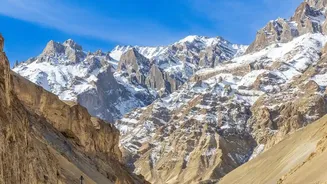
this rigid structure, embracing what is being called 'anti-itinerary' travel. Instead of a frantic race from one tourist spot to the next, the focus is shifting to soaking in the atmosphere. This might mean spending an entire week in a single village in Spiti, extending a stay in a beloved beach town, or simply allowing for spontaneous detours. According to recent travel reports, this reflects a broader change where travellers prioritise rest and relaxation over a packed schedule of sightseeing.
The Rise of the Road Trip
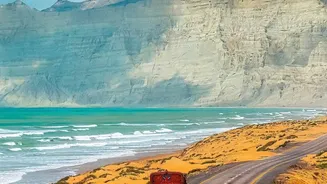
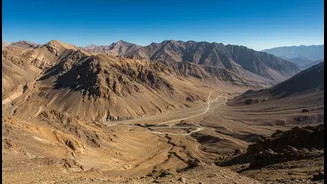
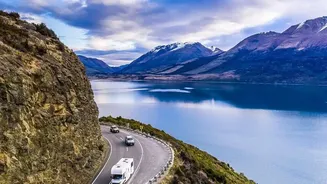
A major catalyst for this new travel philosophy is the country's rapidly expanding highway network. Improved roads have significantly cut down travel times, making car journeys a more attractive and feasible option for many. This has fuelled a boom in road trips, from short weekend getaways to longer, multi-day explorations. This mode of travel offers unparalleled freedom, allowing people to discover hidden gems, stop at scenic spots not listed in guides, and travel at their own pace. The 'Dil Chahta Hai' moment of friends bonding on the open road is no longer just a cinematic dream but a tangible reality for a new generation. The growth is especially strong on routes connecting to Tier-2 cities, indicating a wider geographical spread of this trend.
Slow Travel Gathers Speed
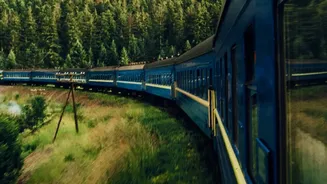
Beyond the car, the concept of 'slow travel' is gaining significant traction. This philosophy champions depth over distance, encouraging travellers to form a genuine connection with a place. Instead of a whirlwind tour, people are opting for longer stays, like a houseboat in Kerala or a homestay on a tea plantation in Munnar. This trend is driven by a desire to escape the persistent burnout of modern life. Many travellers, particularly millennials and Gen Z, feel exhausted by the pressure to be constantly busy and are seeking holidays that offer genuine rest, not just a performance for social media. As a result, immersive activities like learning local crafts, attending festivals, or simply enjoying nature are becoming the main attractions.
A New Definition of a 'Good' Trip
Ultimately, this shift is changing how Indians define a successful vacation. The focus is moving from performative travel—visiting a place just to create content—to personal and meaningful experiences. While social media remains a powerful tool for discovering new and offbeat destinations, there's a growing awareness of its pitfalls, such as creating unrealistic expectations or encouraging travel simply for online validation. The new travel currency is not passport stamps or viral reels, but memories, personal growth, and authentic stories to tell. It's about the joy of an unplanned conversation with a local, the taste of an authentic dish, or the peace found in watching a sunrise from a mountain peak.