




The Problem Is Proportions, Not the Food
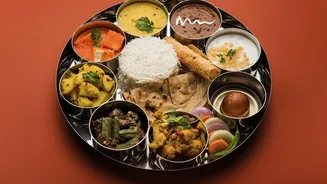
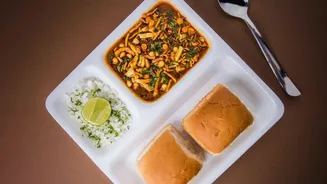
For generations, the Indian thali has been a model of balanced nutrition. However, modern plates often get tilted out of balance. Nutritionists point out that the issue is rarely the food itself, but the proportions. A typical meal might lean too heavily
on carbohydrates—think a large serving of rice or multiple rotis—with only small portions of vegetables and protein. This imbalance can lead to energy fluctuations and, over time, affect long-term health. The good news is that creating a healthier plate doesn’t require abandoning your favourite home-cooked meals; it simply means rearranging them to better serve your body's needs. The goal is to make small, sustainable shifts, not to start a restrictive diet.
The 'Half-Quarter-Quarter' Rule
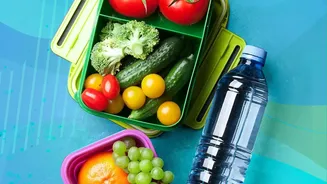
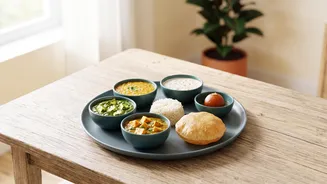
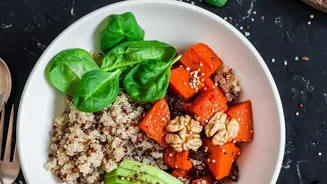
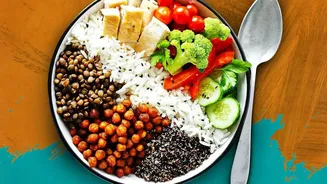
The most powerful tool for building a healthier Indian plate is a simple visual guide recommended by nutritionists: the 'half-quarter-quarter' rule. This model, also promoted by FSSAI's 'Eat Right India' movement, helps you structure your meals for optimal nutrition. Imagine dividing your plate: Half of it should be filled with vegetables. This includes both cooked sabzi (like bhindi, gobi, or leafy greens) and a fresh salad of cucumber, tomato, and onion. One quarter of the plate is for your protein source. This can be a generous katori of dal, rajma, chana, paneer, tofu, eggs, fish, or chicken. The final quarter is for complex carbohydrates. This includes one or two rotis (made from whole wheat or millets), a small portion of brown rice, or other whole grains like jowar and bajra.
Make Smart, Simple Swaps
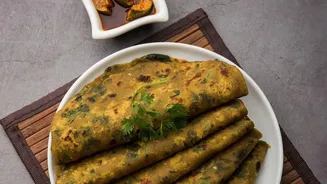
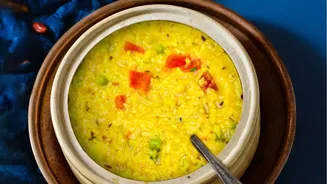
Upgrading your meals doesn't require a complete overhaul. Start with easy substitutions. Swap white rice for brown rice or millets a few times a week to increase your fibre intake. When making rotis or parathas, use wholemeal flour instead of plain flour (maida). To make dishes more filling and nutritious without adding bulk, bulk them up with lentils and sprouted beans. You can also enrich everyday preparations like poha and upma by adding more vegetables, sprouts, or seeds. For gravies that call for cream or rich coconut milk, consider using low-fat yoghurt, skimmed milk, or a paste made from cashews or poppy seeds for a lighter but still creamy texture.
Rethink Your Cooking Methods
How you cook is just as important as what you cook. Instead of deep-frying, explore other methods like grilling, boiling, steaming, and baking. Tandoori-style cooking, for instance, uses intense heat to cook food quickly with minimal oil, sealing in nutrients. When making curries or sabzis, use a non-stick pan to reduce the amount of oil needed. It's also helpful to measure your oil with a spoon rather than free-pouring. Furthermore, you can reduce the amount of oil vegetables soak up by blanching them (briefly boiling them) before adding them to a masala base. These small changes can significantly lower the fat and calorie content of a dish without compromising on its authentic flavour.
Embrace Healthy Fats and Spices
Fat is not the enemy; the key is choosing the right kind and using it in moderation. Healthy fats found in nuts, seeds, and pure desi ghee are essential for absorbing vitamins and keeping you feeling full. A teaspoon of ghee or a handful of nuts can be a valuable part of a balanced plate. Spices, the heart of Indian cooking, are another secret weapon. Turmeric, cumin, coriander, ginger, and fenugreek do more than just add incredible flavour; they also offer powerful nutritional benefits, such as anti-inflammatory properties, and support good digestion at no extra calorie cost. So, be generous with your spice box.