





More Than a Meal, It's a Narrative
The dining experience in India is undergoing a quiet revolution. It's a shift from anonymous ingredients to a plate with a pedigree. A simple beetroot chop is no longer just a chop; it’s made with ‘organic beetroot sourced from Anand-ji’s farm in Nashik’.
This trend, often called ‘narrative-to-plate’, is about more than just food; it’s about connection. In a world of processed foods and complex supply chains, diners are craving transparency and a sense of place. Restaurants are responding by turning their menus into windows, offering a view into the journey of the food—from the soil to the skillet. This storytelling doesn't just inform; it transforms the act of eating into an engaging, more meaningful experience. It satisfies a hunger for authenticity that is just as real as the hunger for a good meal.
The Rise of the Hyperlocal Hero
At the heart of this movement are the producers—the farmers, foragers, fishers, and artisans who were once invisible cogs in the food system. Today, progressive chefs are turning them into hyperlocal heroes. By putting a farmer's name on the menu, a restaurant does more than just vouch for quality. It bestows dignity, acknowledges labour, and builds a direct bridge between the producer and the consumer. Chefs across India are championing this cause. They are travelling to remote villages to discover forgotten grains like foxtail millet, partnering with small-batch cheese makers from the Himalayas, and celebrating fisherfolk who practice sustainable methods. This celebration of the source gives the food a unique identity. That paneer tastes different when you know it comes from a single family-run dairy that has perfected its craft over generations.
A Taste of Terroir and Trust
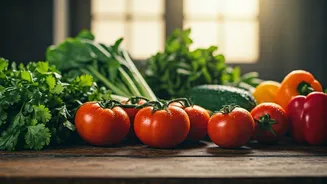
Does knowing a tomato’s origin story actually make it taste better? The answer, psychologically and sensorially, is yes. This concept is familiar in the world of wine, where ‘terroir’—the complete natural environment in which a particular wine is produced, including factors such as the soil, topography, and climate—is paramount. Now, this idea is being applied to everything from coffee beans to black pepper. When a menu tells you a dish features ‘Gondhoraj lebu from Bengal’, it’s not just a name; it’s a promise of a specific aromatic profile that cannot be replicated elsewhere. This storytelling builds a powerful sense of trust. It signals that the restaurant cares deeply about its ingredients and is willing to be held accountable for their quality and provenance. This transparency cuts through the noise of marketing claims, creating a genuine bond with the diner.
Is It All Just Clever Marketing?
A healthy dose of cynicism is understandable. Is the story of the ‘hand-picked morels from the Kashmir valley’ just a ploy to justify a higher price point? In some cases, it can be. The language of locality and authenticity can be co-opted by marketing teams as a hollow trend. However, for a growing number of chefs and restaurateurs, this is a deeply held philosophy, not a gimmick. The genuine article is easy to spot. It involves long-term relationships with producers, a menu that changes with the seasons, and staff who can passionately elaborate on the stories. When the commitment is real, it creates a virtuous cycle: diners get better food, chefs get superior ingredients, and small-scale producers find a sustainable, respectful market for their hard work. The story, in this context, isn't an add-on; it's the proof of a better system.