



The End of the Off-Season
For years, the Indian travel calendar was predictable: summer for the hills, winter for the beaches, and monsoon for staying home. That rhythm is officially a thing of the past. Recent data from travel platforms reveals a dramatic shift, with hotel bookings
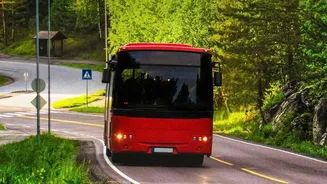
during the rainy season up by over 54% compared to the previous year. This isn't just a minor uptick; it's a clear signal that the monsoon is no longer the travel industry's off-season. Radisson Hotel Group, for example, reported that its July bookings were pacing nearly 10% ahead year-on-year, with robust demand for leisure destinations. This surge is supported by a massive 140% increase in bus bookings, indicating that travellers across various budgets are embracing the rains. This trend suggests a move towards more frequent, shorter breaks and an appreciation for the unique beauty that the monsoon brings to the Indian landscape.
A Search for Experience Over Itinerary
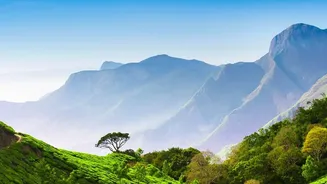
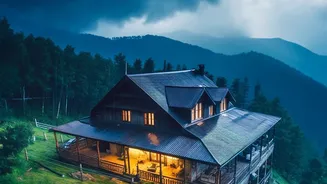
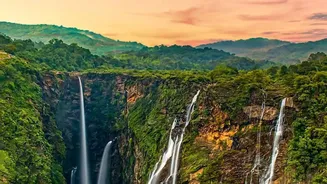
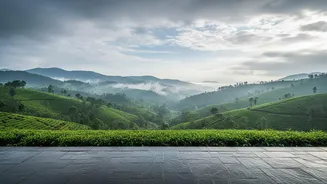
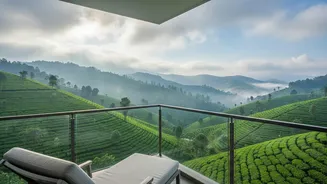
So, what’s driving this rainy-day rush? The answer lies in a broader shift towards experience-led travel. Modern Indian travellers are no longer just ticking destinations off a list; they're seeking immersive experiences. The monsoon provides a unique sensory backdrop that you can’t find at any other time of year: mist-covered hills, lush green landscapes, roaring waterfalls, and the romantic atmosphere of rain-soaked streets. According to Booking.com, there's a growing demand for destinations that offer wellness, spirituality, and nature-based activities, which the monsoon season delivers in abundance. Social media has also played a huge role, transforming images of scenic road trips through the Western Ghats and luxury resorts enveloped in clouds into aspirational travel goals. People are choosing destinations based on personal interests, from wellness retreats in Kerala to adventure treks in the Northeast.
Where India Is Travelling This Monsoon
While traditional monsoon favourites remain popular, booking patterns show a fascinating expansion of India's rain-soaked map. The Northeast has emerged as a breakout star, with Nagaland and Arunachal Pradesh recording over 90% growth in hotel bookings. In the south, hill stations are booming. Wayanad in Kerala saw a staggering 160% increase in hotel bookings, while destinations like Kodaikanal and Ooty also saw growth exceeding 70%. Even Goa, a classic winter destination, recorded a 110% jump in monsoon hotel bookings. Perennial hill stations like Lonavala, Mahabaleshwar, Munnar, and Coorg continue to draw crowds with their verdant landscapes and swollen waterfalls. The trend also includes spiritual destinations like Rishikesh, which saw searches increase by over 200%, proving that travellers are seeking diverse experiences, from tranquil nature escapes to cultural immersion.
The New Economics of Rainy Season Travel
Historically, a major draw for monsoon travel was lower prices, with hotels offering discounts of 25-50%. While deals can still be found, the surge in demand is changing the economic equation. Increased demand and high occupancy rates are giving hotels stronger pricing power. According to a recent HVS ANAROCK report from August 2026, average room rates in June were up 10-12% year-on-year, with overall revenue per available room (RevPAR) jumping by 17-19%. Despite this, the season can still offer value, especially for those who plan ahead or have flexible travel dates. Many hotel chains are still offering monsoon-specific packages and promotions to attract guests. This new dynamic creates a market where value is less about deep discounts and more about the unique, crowd-free experiences that the season offers.