

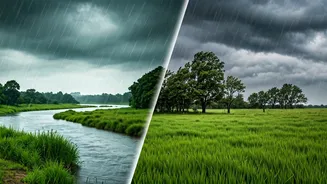
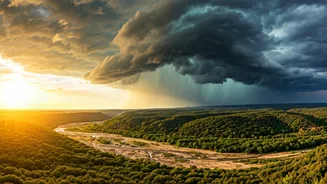



An Unlikely Skygazing Season
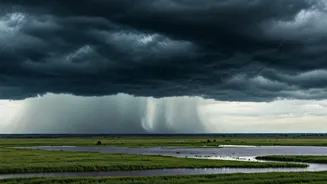
For decades, amateur astronomy in India has followed a predictable calendar: clear winter nights are for deep-sky objects, and summer is for Milky Way photography. The monsoon, with its thick cloud cover and unpredictable downpours, has traditionally
been the off-season. But that perception is changing. Rather than waiting for perfectly clear skies, enthusiasts are embracing the moody, dramatic atmosphere of the season. They are finding that the interplay between moonlight and moisture creates a celestial spectacle that is unique, accessible, and deeply beautiful. This isn’t about seeing distant galaxies; it’s about appreciating the magic happening in our own atmosphere.
The Science of a Monsoon Moon
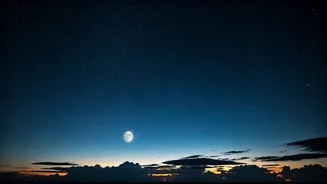
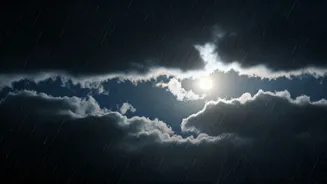
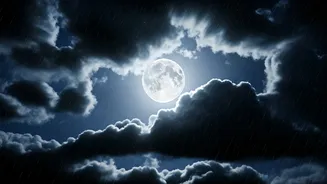
The secret to monsoon moonwatching lies in atmospheric optics. When moonlight passes through the high-altitude cirrus clouds that often drift ahead of or behind a storm, the light is refracted by tiny ice crystals. The result is a stunning, perfectly-formed ring of light known as a lunar halo or a 22-degree halo. For centuries, folklore has interpreted this sight as a sign of impending rain. Beyond halos, the moisture-laden air can create other effects. The moon might appear to have a soft, ethereal glow as its light diffuses through thin cloud layers. After a heavy shower washes dust and pollutants from the air, the clarity can be exceptional, making the moon and visible planets appear unusually sharp and bright in the gaps between clouds.
How to Become a Monsoon Moonwatcher
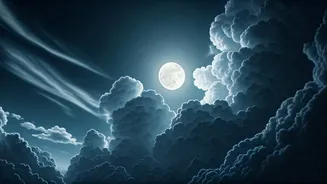
Getting started is simpler than you think, and you don’t need any expensive equipment. The first rule is patience. The best viewing opportunities often occur in the brief, calm windows between spells of rain. Find a safe spot with a clear view of the sky, like a balcony, rooftop, or a quiet park away from harsh city lights. Let your eyes adjust to the darkness for about 15-20 minutes to appreciate the subtle details. Instead of tracking constellations, focus on the moon itself. Notice how its light outlines the edges of passing clouds, creating a dramatic silver-lining effect. Watch how the texture of the clouds is revealed as they drift across the lunar disc. It’s a meditative and often mesmerising experience.
What to Look For This Season
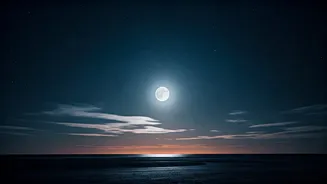
This monsoon season offers some particularly special events. The full moon at the end of June—known as the Strawberry Moon—will be visible across India, weather permitting. Because it occurs near the summer solstice, it tracks lower across the sky. When viewed near the horizon, this can make the moon appear larger and cast it in a warm, golden hue due to atmospheric scattering. While a full moon’s brightness usually washes out fainter stars, it’s perfect for creating dramatic silhouettes and brilliant halos. Look for it in the east just after sunset for the most striking views. Several astronomy clubs and astro-tourism groups across the country, from Maharashtra to Karnataka, have noted that clear spells during the monsoon can provide excellent stargazing, turning a perceived obstacle into an opportunity.