





The Familiar Agony After the Ecstasy
We’ve all been there. A day or two after a particularly tough or new workout, you feel a deep, aching stiffness in your muscles. This is known as Delayed Onset Muscle Soreness, or DOMS. For years, the fitness mantra has been “no pain, no gain,” suggesting
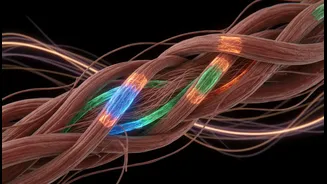
this soreness is a badge of honour. DOMS is caused by microscopic tears in your muscle fibres, a result of intense or unaccustomed exercise. Your body's natural response is to initiate an inflammatory process to repair this damage, which leads to the stiffness and pain you feel. This process is normal and necessary for muscle growth. But how you manage this phase can make a huge difference in how quickly you bounce back and get stronger.
Rethinking What It Means to Rest
The traditional approach to muscle soreness has been passive recovery: complete rest, maybe a hot bath, and waiting it out. The idea is to let the body do its work without interference. While rest is undeniably crucial—especially sleep, when major muscle repair happens—being completely sedentary might not be the most effective strategy. Active recovery, on the other hand, involves performing low-intensity exercise during your rest periods. The goal isn't to add more training stress, but to support your body's healing process through gentle movement. Think of it as a purposeful, easy activity designed to help you feel better, faster.
How Gentle Movement Accelerates Healing
So, how does moving more actually help you recover? The primary mechanism is enhanced blood flow. Gentle, low-intensity activity increases circulation to your tired muscles without causing further damage. This increased blood flow acts like a delivery and waste disposal service. It brings a fresh supply of oxygen and essential nutrients that your muscles need to repair and rebuild themselves. At the same time, it helps flush out metabolic byproducts that accumulate during exercise and contribute to soreness. This one-two punch helps reduce the severity and duration of DOMS, alleviates stiffness, and improves overall mobility, getting you ready for your next workout sooner.
Your Active Recovery Menu
The key to active recovery is choosing activities that are low-impact and low-intensity, keeping your heart rate at about 30-60% of its maximum. The activity should feel easy and refreshing, not like another workout. Here are some excellent options to add to your routine: Walking or light jogging: A simple walk can do wonders for circulation. Gentle cycling: A slow spin on a stationary bike with low resistance is a great low-impact choice. Swimming: The buoyancy of water makes swimming a full-body, joint-friendly recovery tool. Yoga or dynamic stretching: Flowing through gentle yoga poses or dynamic stretches can improve flexibility and ease tension. * Foam rolling: Also known as self-myofascial release, foam rolling can help release knots and tightness in your muscles and connective tissues.
Finding the Recovery Sweet Spot
Like any aspect of fitness, active recovery is not one-size-fits-all. The right approach depends on the intensity of your previous workout and how your body feels. On days following a very strenuous session, a 20–30 minute session of light activity is often sufficient. You should be able to hold a conversation easily during any active recovery exercise. It's also important to listen to your body. Active recovery is beneficial for general muscle soreness, but if you're experiencing sharp pain, are sick, or are utterly exhausted, true passive rest—like getting extra sleep—is the better choice. The goal is to aid recovery, not to create more fatigue or risk injury.