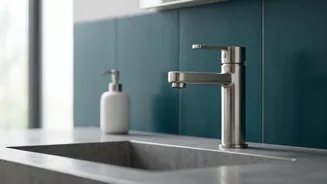


Turn Off the Tap
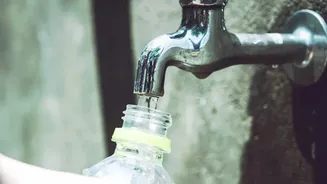
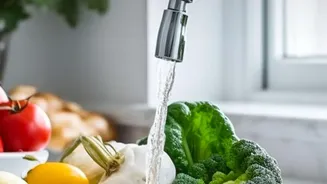
It’s the simplest trick in the book, yet its impact is enormous. A running tap can waste as much as six litres of water per minute. Whether you're brushing your teeth, lathering your hands with soap, or shaving, make a conscious effort to turn off the water.
Wet your brush, turn off the tap, brush your teeth, and then turn it back on to rinse. The same goes for shaving; instead of letting the water run, fill the sink with a small amount of water to rinse your razor. These small moments of mindfulness can save hundreds of litres of water each month without causing any real disruption to your morning or evening routines.
Take Shorter Showers
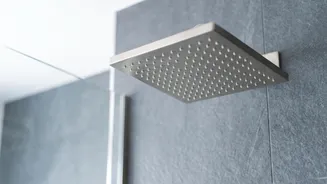
The bathroom accounts for over half of all indoor water use, with showers being a major contributor. A typical shower uses between 10 and 25 gallons of water. While a long, hot shower can feel like a luxury, cutting just a few minutes off your time can lead to substantial savings. Try challenging yourself to a five-minute shower. You can even use a timer to keep yourself on track. Another simple hack is to place a bucket in the shower to collect the water that runs while you wait for it to get hot. This clean water is perfect for watering plants or for cleaning purposes.
Optimise Your Dishwashing
How you wash your dishes can make a big difference. If you have a dishwasher, use it—but only when it's fully loaded. A modern, efficient dishwasher typically uses less water than washing the same number of dishes by hand. Resist the urge to pre-rinse dishes under a running tap; scraping food scraps into the compost or trash is usually sufficient. If you wash dishes by hand, don't let the water run continuously. Fill one side of the sink or a basin with soapy water for washing and another with clean water for rinsing. This method contains your water usage instead of letting it flow freely down the drain.
Be Smart with Laundry
Washing machines are another major water user in the home, second only to toilets. The most effective way to save water here is to only run full loads of laundry. Washing a half-empty machine uses nearly the same amount of water as a full one. If your machine has settings for different load sizes, be sure to use the appropriate one. Also, consider whether an item truly needs to be washed. Towels and clothes that aren't soiled can often be worn more than once before being tossed in the hamper, saving both water and energy.
Rethink Outdoor Water Use
Outdoor water use, especially for gardening and washing cars, can be extremely high. Instead of letting a hose run, adopt more traditional methods. When washing your car, use a bucket of soapy water and only use the hose for a final, quick rinse. For your plants, water them early in the morning to reduce evaporation. Better yet, reuse water from inside the house. The water you saved from your shower or used to rinse vegetables is perfectly good for your garden. Collecting rainwater in a barrel is another excellent way to get free, non-potable water for your outdoor needs.
Fix Leaks Promptly
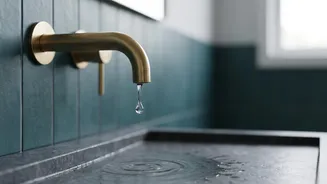
A small drip might seem harmless, but it represents a constant and significant waste of water. A single faucet dripping once per second can waste over 3,000 gallons per year. A running toilet is even worse, potentially wasting up to 200 gallons every day. Make it a habit to regularly check your faucets, pipes, and toilet for leaks. You can check for a toilet leak by adding a few drops of food colouring to the tank; if the colour appears in the bowl without flushing, you have a leak that needs fixing. Addressing these issues promptly is one of the most effective ways to cut down on water waste.