


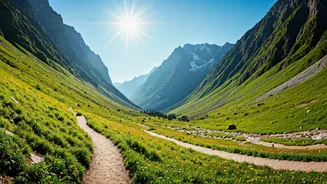


A Paradise Under Pressure
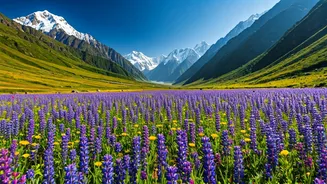
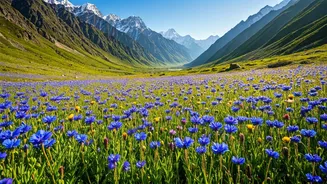
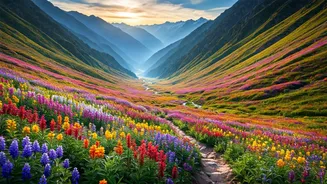
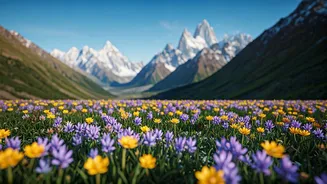
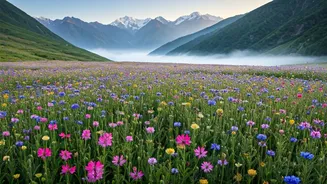
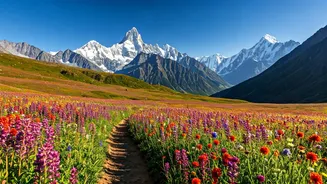
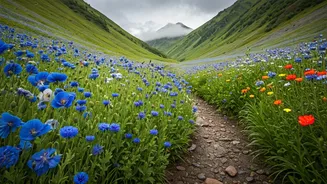
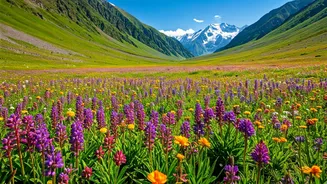
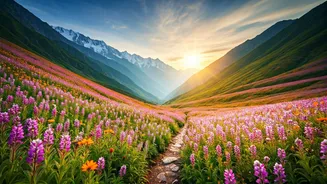
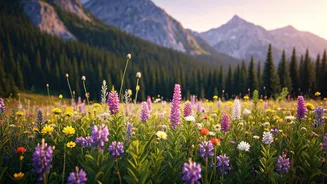
Nestled high in the Garhwal Himalayas, the Valley of Flowers National Park is a place of staggering natural beauty. It's a vibrant carpet of over 300 endemic alpine flower species, a critical habitat for rare animals like the snow leopard and Asiatic
black bear, and a transition zone of immense ecological importance. This fragility is precisely why it was declared a National Park in 1982 and later a UNESCO World Heritage site. However, its fame has brought a new kind of threat. The high volume of tourists, especially during the peak flowering season from July to September, puts the delicate habitat at risk of deterioration. The ecosystem, which includes pristine meadows, is extremely susceptible to the impacts of human activity.
The Footprint of a Thousand Trekkers
The very energy that draws adventurers to this valley can also be its undoing. The main trek route, starting from Govindghat, has historically faced significant environmental challenges. The primary issue is solid waste, including plastic bottles, food wrappers, and other non-biodegradable items left behind by trekkers and pilgrims heading to nearby Hemkund Sahib. This isn't just an eyesore; it's a profound threat to the local ecology. The accumulation of garbage pollutes the soil and water, while the sheer number of visitors contributes to trail erosion and disturbance of the flora. Even seemingly harmless actions, like straying from marked paths to get a better photo, can trample delicate plants and damage the ecosystem for years to come. The spread of invasive species that suppress native flowers is another growing concern linked to human traffic.
What 'Responsible Energy' Looks Like
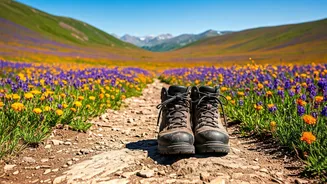
Tackling these challenges requires more than just rules; it demands a shift in mindset—a new kind of 'responsible trekking energy'. This energy is about moving from being a mere tourist to becoming a conscious caretaker of the places we love. It's founded on the globally recognised 'Leave No Trace' principles. This means planning ahead, disposing of waste properly, respecting wildlife, and leaving what you find. It means understanding that every plastic wrapper carried in must be carried out. It involves respecting the local culture and supporting community-based initiatives that work to protect the environment. This energy is proactive, not reactive. It’s about choosing sustainable tour operators, packing reusable items, and educating yourself before you even lace up your trekking boots.
Your Guide to a Greener Trek
Becoming a responsible trekker in the Valley of Flowers is achievable through a few key practices. First, pack out every single piece of trash you generate. Carry a dedicated garbage bag for your wrappers and plastics. Second, use a reusable water bottle instead of buying disposable plastic ones. Water sources are available, and using purification tablets is a small effort with a big impact. Third, stick strictly to the marked trails to prevent soil erosion and protect the flowers. Remember, camping inside the park is prohibited to minimise human impact. Also, plucking flowers is strictly forbidden; admire them with your eyes and camera only. Finally, be mindful of noise. Use earphones for music and keep conversations low to avoid disturbing the wildlife and the serene atmosphere of the valley. By embracing these habits, you contribute directly to the preservation of this Himalayan jewel.