
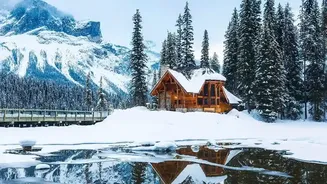
When winter arrives, it transforms familiar landscapes into magical, frozen worlds. Nowhere is this artistry more apparent than on the surfaces of the world's great lakes, which turn into vast canvases of ice, each with its own unique story.
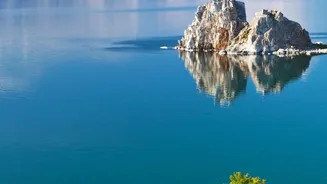
Lake Baikal, Russia: The Ancient Turquoise Giant
Deep in Siberia
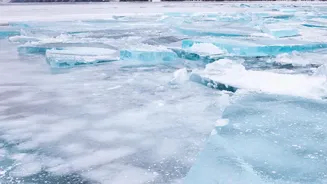
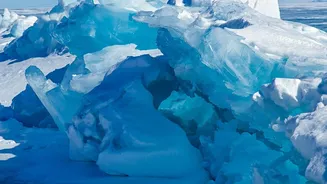
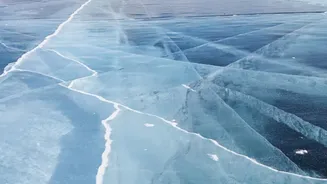
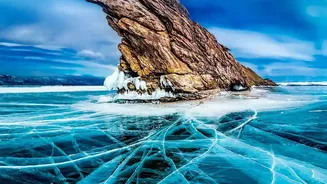
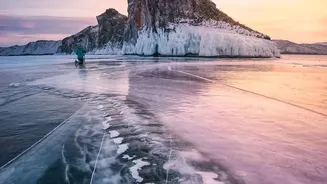
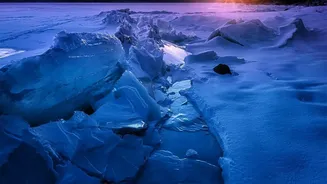
lies Lake Baikal, a place of superlatives. It is the world's oldest, deepest, and largest freshwater lake by volume, holding about 20% of the planet's fresh surface water. But in winter, it earns another title: the world's most beautiful frozen lake. From January to May, Baikal is covered in ice so transparent it feels like glass. Due to the water's extreme purity, with very few minerals or pollutants, the ice offers astonishing clarity, allowing you to see up to 40 meters into the dark depths below. This clarity, combined with compression, gives the ice a mesmerizing turquoise hue. The surface isn't always smooth; winds create fields of jagged, upright ice shards called hummocks. The ice can reach a thickness of over 1.5 meters, strong enough for an official ice road to be built across it each year.
Abraham Lake, Canada: Nature's Frozen Bubbles
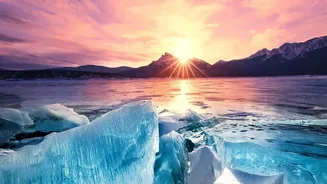
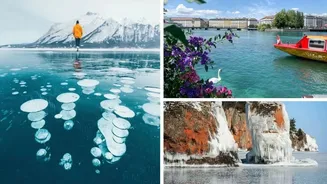
In the foothills of the Canadian Rockies in Alberta, Abraham Lake puts on a spectacular and unusual show. Though a man-made reservoir, it has become world-famous for the frozen bubbles trapped beneath its surface. This phenomenon occurs when bacteria on the lakebed decompose organic matter, like dead plants, releasing methane gas. As the bubbles rise, they are caught in the freezing layers of ice, creating vertical stacks of white orbs that look like a frozen lava lamp. Strong, consistent winds in the area often sweep the snow off the surface, polishing the ice and providing a crystal-clear view of the bubble formations. The best time to witness this natural spectacle is typically from mid-January to early February, when the ice is thick and clear.
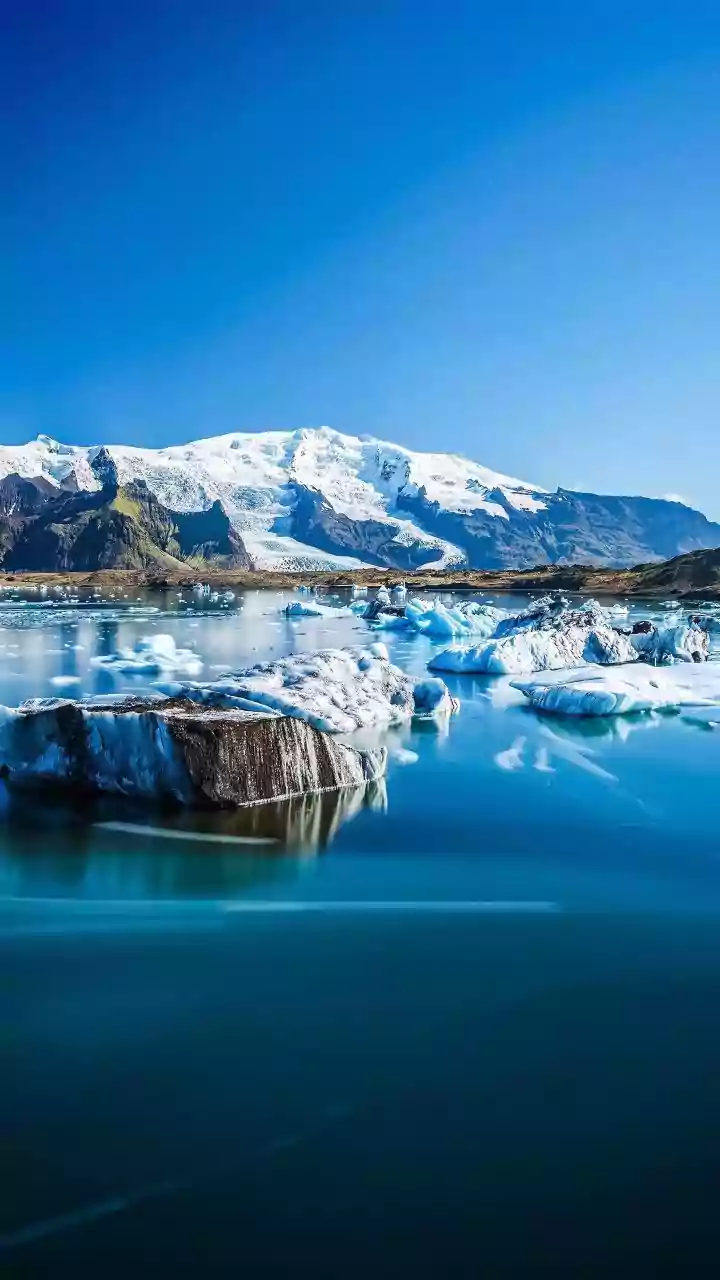
Jökulsárlón, Iceland: The Lagoon of Drifting Icebergs
Not all frozen lakes are static sheets of ice. Jökulsárlón, a glacial lagoon on Iceland's south coast, is a dynamic, ever-changing landscape of floating ice. The lagoon formed in the 1930s as the Breiðamerkurjökull glacier began to retreat, and it continues to grow. Huge icebergs, some over 1,000 years old, calve from the glacier and float in the lagoon before drifting out to sea. These icebergs come in shades of white, brilliant electric blue, and even black from volcanic ash trapped within. Nearby, the black sand shore known as Diamond Beach is where smaller, polished ice chunks wash up, glittering like jewels against the dark sand. In winter, the lagoon is a prime spot for viewing the Northern Lights.
Lake Superior, USA & Canada: The Sea Cave Sanctuaries
The largest of the Great Lakes, Lake Superior is so vast it rarely freezes over completely. However, its shorelines offer one of North America's most sought-after winter sights: the Apostle Islands ice caves. Located along the Wisconsin mainland, these sandstone sea caves are transformed by winter. Waves that splash against the cliffs and water seeping through the rock freeze into breathtaking curtains, columns, and needle-like icicles. Accessing them is a rare event, requiring a perfect combination of prolonged sub-zero temperatures and calm winds for Lake Superior to freeze solid enough for people to walk on. When conditions do permit, hiking across the frozen lake to explore these glittering, cathedral-like grottos is an unforgettable experience.
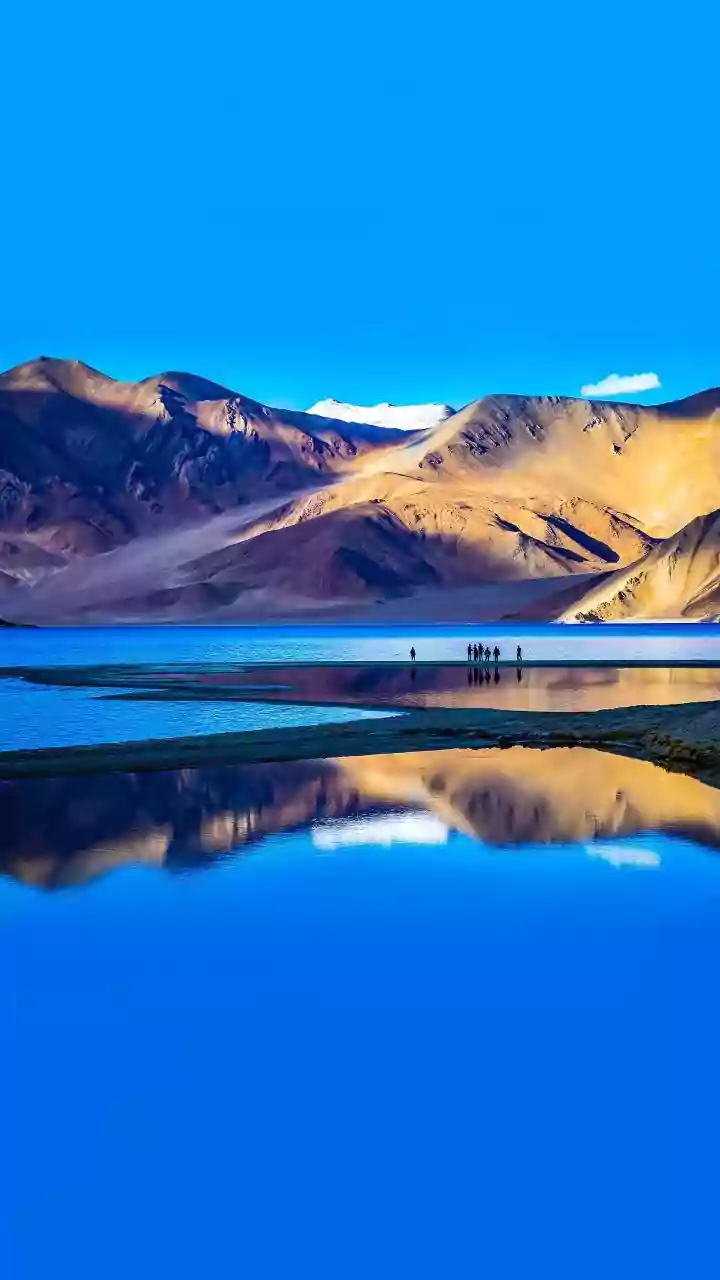
Pangong Tso, India: The High-Altitude Frozen Sea
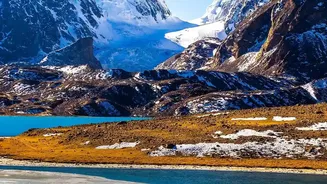
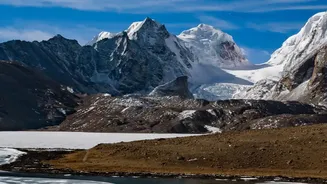
Stretching across the India-Tibet border at an altitude of over 4,350 meters, Pangong Tso is one of the world's highest saltwater lakes. Despite its salinity, the lake freezes completely solid during the harsh Himalayan winter, typically from January to February when temperatures can plunge dramatically. The frozen surface becomes a vast, shimmering plain of ice reflecting the stark, snow-dusted mountains that surround it. The sheer scale and high-altitude setting make it a uniquely serene and challenging destination. The area's beauty and stillness offer a profound sense of isolation and wonder, a world away from the everyday.