





Why Fiber is the Unsung Hero
For years, fitness conversations revolved around protein, carbs, and fats. But now, dietary fiber is finally getting the attention it deserves. Fiber is a type of carbohydrate that the body can't digest. Instead of being broken down, it passes through
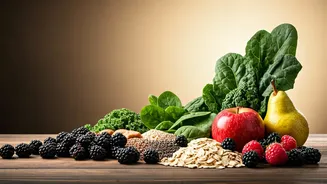
your system, aiding digestion, promoting gut health, and providing a feeling of fullness. This 'satiety factor' is a game-changer for weight management, as it helps reduce overall calorie intake by curbing hunger pangs. Furthermore, soluble fiber, found in foods like oats, beans, and apples, can help lower cholesterol and stabilize blood sugar levels, making it crucial for long-term health. The viral interest stems from a growing understanding that sustainable fitness isn't about extreme restrictions but about building smart, satisfying meals—a principle where fiber shines.
The Indian Cuisine Advantage
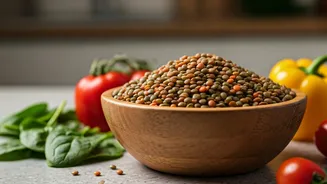
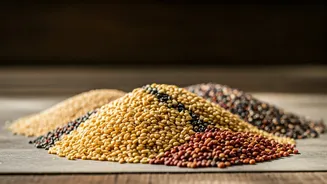
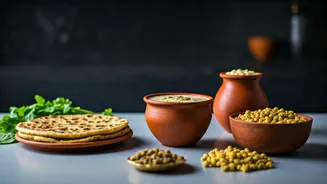
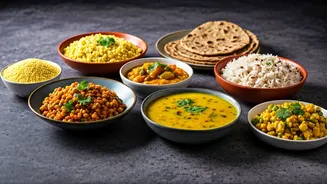
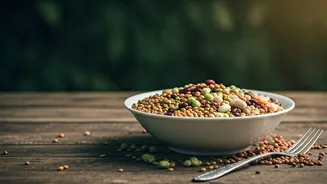
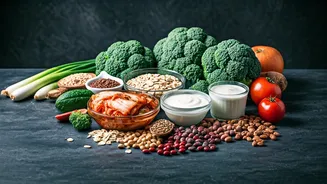
The beauty of this trend is that for many Indians, a high-fiber diet isn't a radical change; it's a return to our roots. Traditional Indian cuisine is naturally rich in fiber-packed ingredients. Think about the cornerstones of our meals: lentils (dal), legumes (chana, rajma), whole grains (whole wheat atta, millets like jowar and bajra), and a vast array of vegetables and leafy greens (sabzi). This foundation makes it incredibly easy to build a high-fiber meal plan without relying on expensive or hard-to-find 'superfoods'. The 'viral' meal plans are essentially modern, structured adaptations of the thali we've known for generations, optimized for specific fitness goals.
Building a High-Fiber Breakfast
Starting your day with a fiber-rich meal sets the tone for steady energy and appetite control. Ditch the processed cereals and consider these traditional powerhouses: * Millet Upma or Poha: Instead of refined rava, use millets like foxtail (kangni) or barnyard (samak) for a significant fiber boost. Load it with vegetables like peas, carrots, and beans. * Moong Dal Chilla: Made from split green gram, these savoury pancakes are packed with both fiber and protein. Add grated veggies like cabbage or carrots to the batter for extra nutrients. * Oats Idli or Dalia: Steel-cut oats or broken wheat (dalia) cooked as a savoury porridge with vegetables is an excellent way to get a hearty dose of soluble fiber.
Rethinking Your Lunch and Dinner
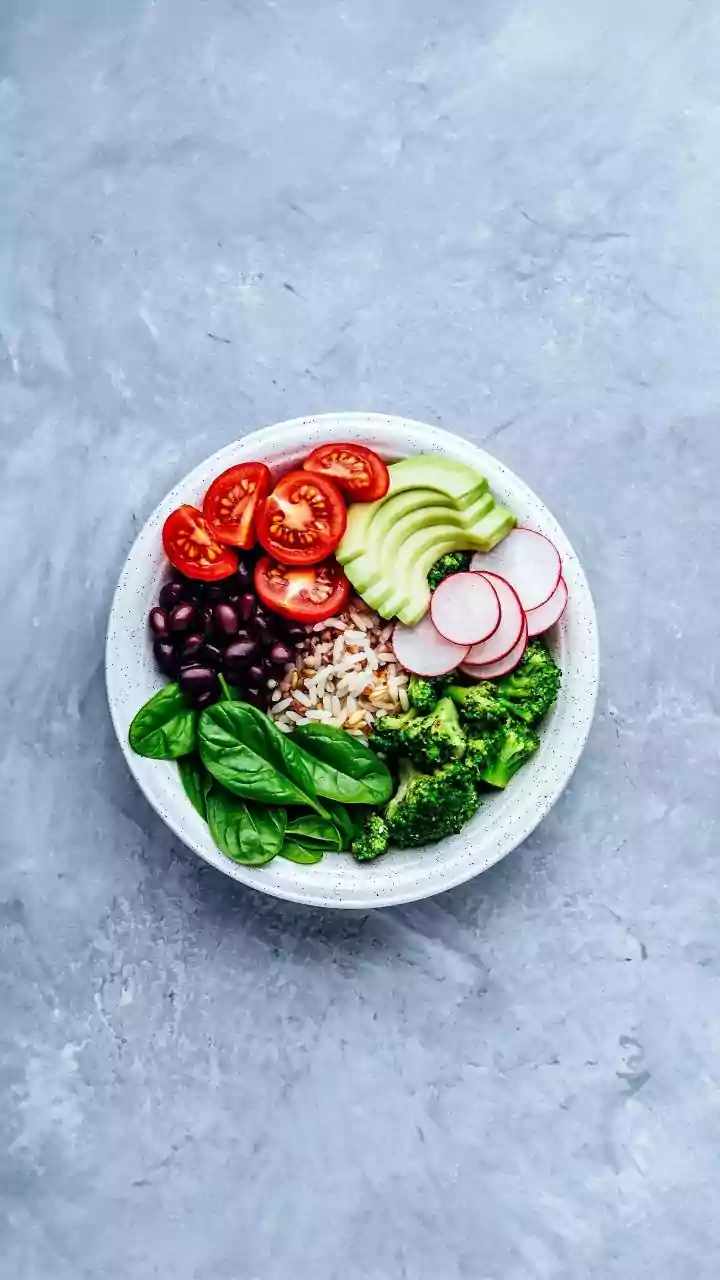
Your main meals are the easiest places to maximize fiber. The classic Indian thali format is your best friend here. Aim for a balanced plate that includes: * Whole Grain Roti/Rice: Swap white rice for brown rice or quinoa. Opt for rotis made from whole wheat atta, or better yet, a mix of grains like jowar, bajra, or ragi. * A Bowl of Dal or Legumes: A non-negotiable for fiber and plant-based protein. Rajma, chana masala, or any variety of dal should be a daily staple. * Seasonal Sabzi: At least one, if not two, vegetable dishes. Focus on gourds, leafy greens (spinach, methi), and cruciferous vegetables like cauliflower and cabbage. * A Fresh Salad: A simple kachumber salad of cucumber, tomato, and onion with a squeeze of lemon adds raw fiber and vital nutrients.
Smart and Simple Fiber Swaps
Increasing your fiber intake doesn't require a complete diet overhaul. Small, consistent changes can make a huge difference over time. Try incorporating a few of these simple swaps into your routine: * Choose whole fruits (like apples and pears with the skin on) over fruit juices. * Snack on a handful of roasted chana, peanuts, or almonds instead of fried snacks. * Add a tablespoon of flax seeds or chia seeds to your curd, smoothies, or chapati dough. * When making curries or sabzis, leave the skin on vegetables like potatoes, carrots, and cucumbers whenever possible. * Use sprouted lentils and legumes in salads and stir-fries for an extra boost of fiber and nutrients.