




Why Home Cooking is Making a Comeback
The return to the kitchen is driven by a mix of practical and personal reasons. A major factor is economics; with restaurant and takeaway prices rising, many households are finding that cooking at home is a powerful way to manage budgets. Surveys show
a significant number of consumers are dining out less due to inflation. Beyond just saving money, there's a growing desire for control over what we eat. Preparing meals at home allows for complete transparency of ingredients, making it easier to pursue health goals, manage dietary restrictions, and reduce the intake of processed foods. This trend, which gained momentum during the pandemic, has shown lasting power, with a large majority of people planning to continue cooking at home. It reflects a broader shift towards valuing health, with many citing healthier eating as a primary motivator for firing up the stove.
Redefining 'Fast' in the Modern Kitchen
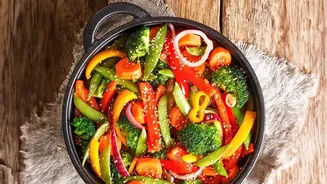
The idea of a 'fast' meal is no longer synonymous with unhealthy takeaways. Today, speed means efficiency. Convenience is now expected to come without compromising on nutrition. This has led to the rise of 'convenience-plus' cooking, where clever shortcuts and modern appliances drastically reduce preparation time. Home cooks are embracing techniques like batch cooking, where large quantities of base ingredients like grains or proteins are prepared over the weekend for use throughout the week. One-pan and sheet-pan dinners have also surged in popularity, offering a complete meal with minimal cleanup. The air fryer has become a kitchen staple, delivering crispy textures and quick results. The goal isn't to spend hours cooking, but to make delicious, home-cooked food a manageable part of a busy daily routine.
The Search for Everyday Balance
Alongside speed, 'balance' has become a key objective for the home cook. This isn't about restrictive dieting, but about building satisfying meals with a good mix of nutrients. There is a growing focus on incorporating more plant-based foods, not necessarily as a strict vegan or vegetarian identity, but as a flexible way to boost health and manage costs. Meals are increasingly designed around lean proteins, whole grains, and plenty of vegetables. This focus on what goes onto the plate is a form of self-care, with many seeing food as a tool to support long-term wellbeing, energy, and mood. As a result, people are becoming more mindful of portion sizes and the quality of their ingredients, moving away from ultra-processed options and towards whole foods.
Practical Tips for Your Kitchen
Adopting this new approach to cooking doesn't require a complete overhaul of your life. Start with small, manageable changes. Try 'theme nights' to simplify weekly meal planning, such as Meatless Mondays or Taco Tuesdays. Dedicate a small block of time twice a week to prep ingredients; simply chopping vegetables or cooking a large batch of dal can save significant time later. Embrace your freezer by portioning out sauces, soups, or cooked grains for busy nights. Look for simple recipes with fewer ingredients and explore the world of one-pot cooking to minimise washing up. Even using pre-cut vegetables or quality pre-made spice pastes can be a valuable shortcut that makes a home-cooked meal possible on a hectic evening.