


The Evidence for Aggression
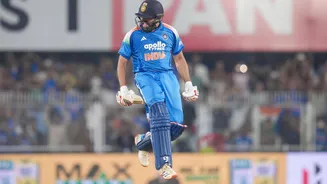
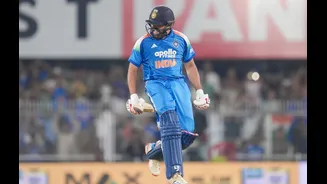
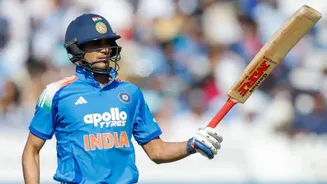
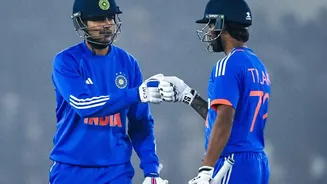
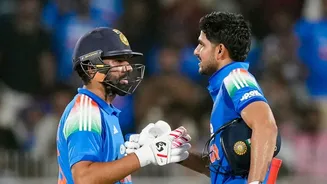
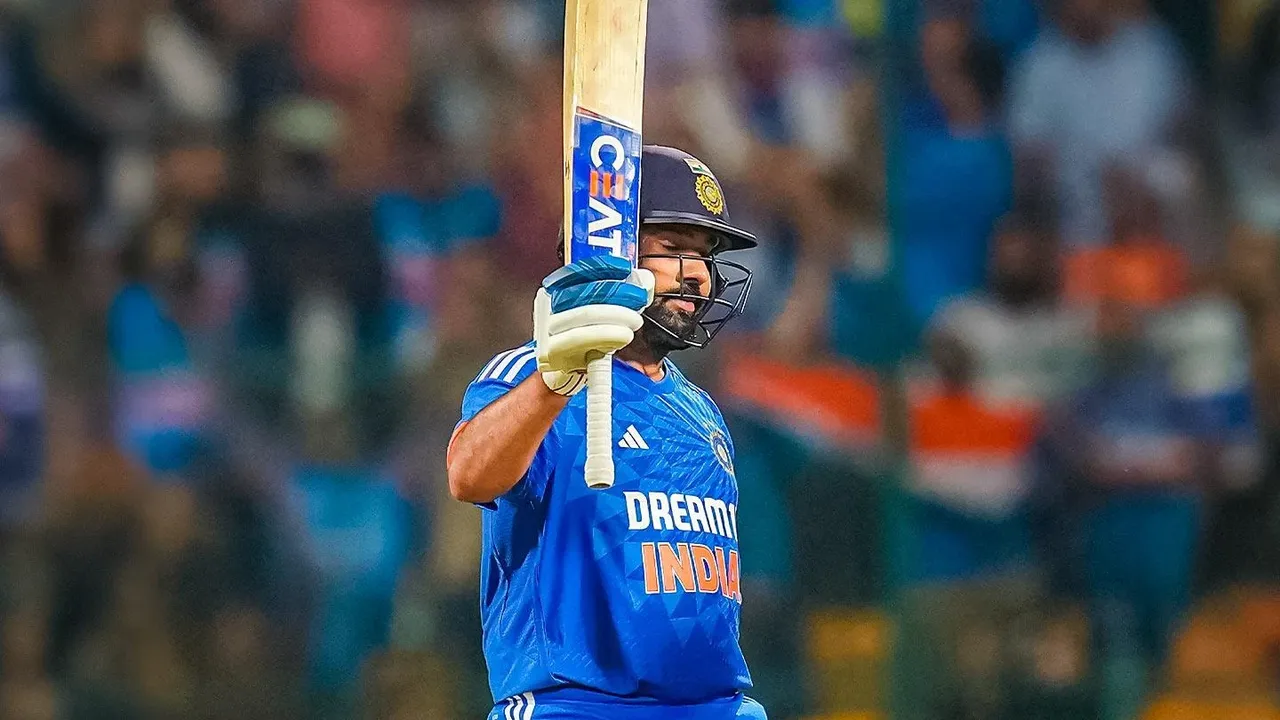
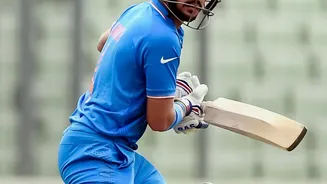
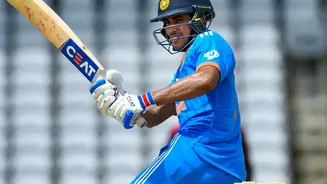
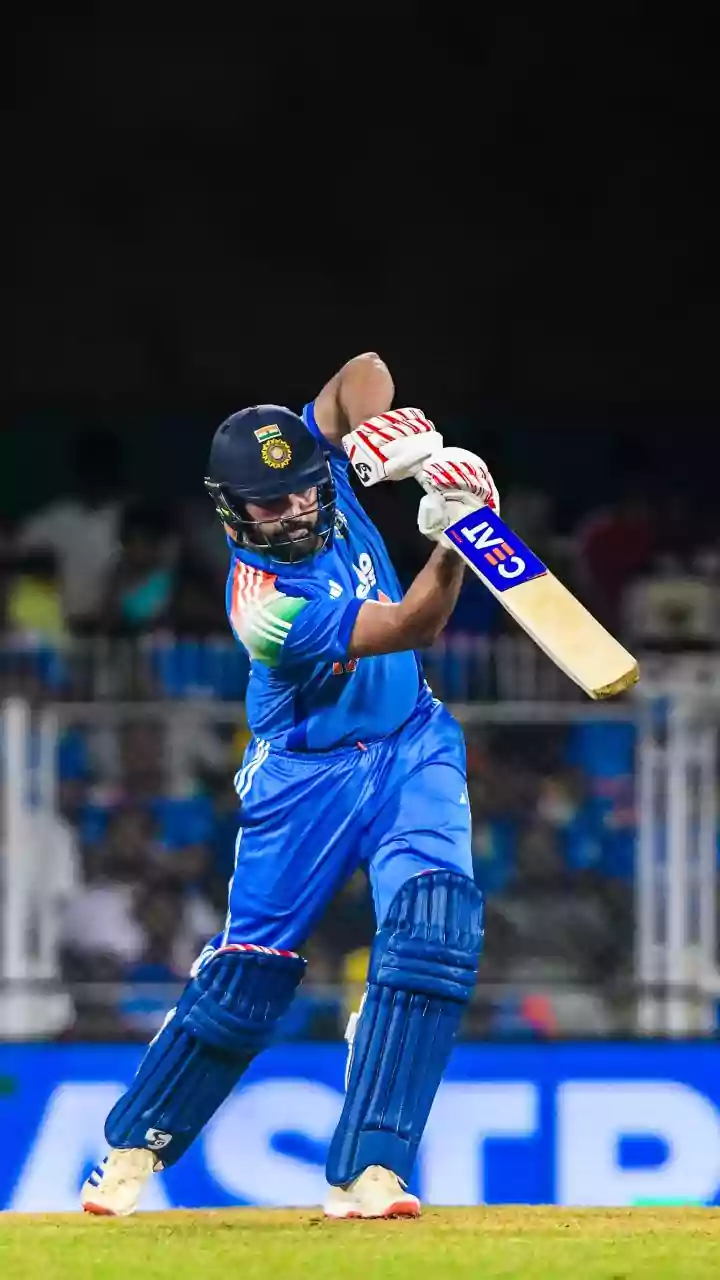
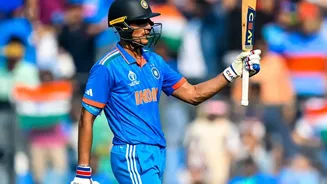
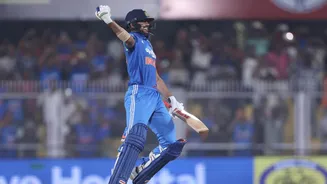
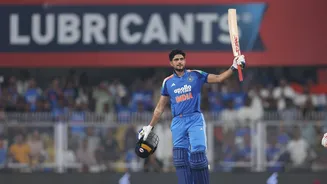
The argument is compelling. Look at the carnage in Guwahati: a target of 406, chased down with 39 balls to spare. Gill’s double-century came off just 133 balls, while Rohit’s ton took a mere 75 deliveries. This wasn't a cautious start followed by a late
acceleration; it was a relentless assault from the first over. This is the new normal in ODI cricket, where the T20 mindset has thoroughly infiltrated the 50-over format. Teams no longer use the initial powerplay just to see off the new ball; they use it to dominate. Batters arrive with the expectation of scoring from ball one, employing innovative shots like scoops and reverse sweeps that were honed in the high-stakes environment of leagues like the IPL. Run rates have skyrocketed, and a score of 350 is now considered merely competitive, not match-winning. The sheer frequency of 400+ scores in recent years is a testament to this shift. This all-out attack philosophy certainly makes it seem like the ODI is just a T20 with a lunch break.
But It's Not That Simple
However, to dismiss the ODI as a T20 clone would be a disservice to the nuances that still define the format. A T20 innings is a sprint; an ODI is a marathon run at sprint pace. Maintaining the level of aggression shown by Gill and Rohit for over 40 overs requires a different kind of stamina, concentration, and strategic thinking than a 20-over thrash. The middle overs (11-40), a phase that is largely non-existent in T20, remain the soul of the ODI. This is where innings are built, strike is rotated, and bowlers set traps. A team that goes too hard, too early, can collapse. A team that is too cautious can fall hopelessly behind the required rate. This delicate balance is unique to the 50-over game. Scoring a double hundred, as Gill did, isn't just about hitting boundaries; it's about managing fatigue, reading the game's flow, and picking moments to attack over a prolonged period—skills that are tested far more deeply over 50 overs.
The T20 Influence is Undeniable
There's no doubt that T20 cricket has been the primary catalyst for this evolution. Franchise leagues have become global talent incubators, encouraging an attacking style of play that players then carry into the international arena. Young cricketers now develop their skills in an environment where fearless, 360-degree batting is rewarded above all else. This has created a new generation of players, like Gill, who possess both the classical technique to build an innings and the explosive power to clear the ropes at will. Furthermore, rule changes in ODIs, such as the use of two new balls and restrictive fielding regulations, have heavily favoured batsmen, making it harder for bowlers to generate reverse swing or contain scoring in the middle and death overs. These factors have combined to create a format that is undeniably faster and more aggressive than its predecessor from a decade ago.
A New Hybrid Game
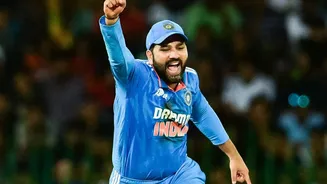
Rather than viewing the modern ODI as a corrupted version of its old self or a bloated T20, it's more accurate to see it as a new, hybrid format. It demands a unique and arguably more complete skillset than any other format. Batsmen must have the patience and technique of a Test player, the adaptability to build through the middle overs, and the explosive power of a T20 finisher. Rohit Sharma is a perfect example of a player who has mastered this hybrid game, possessing three ODI double-centuries built on this exact formula. Bowlers, in turn, are forced to be more creative than ever, relying on a wide array of variations like cutters and slower-ball bouncers to survive. The contest is still one of skill, but the skills required have changed. The modern ODI is a tactical battle of attrition and aggression, rewarding the team that can best manage its pace over a longer distance.