





What Exactly Is Mindful Movement?
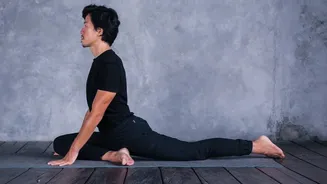
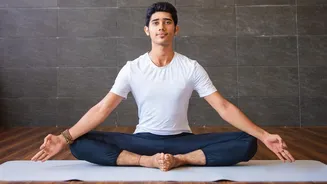
Mindful movement is the simple practice of paying full attention to your body and breath as you move. Unlike a high-intensity workout, the goal isn't to burn calories but to build awareness. It’s about moving with intention, whether you're doing a simple stretch,
walking, or engaging in practices like yoga or Tai Chi. The focus is on the internal experience—the sensation of muscles stretching, the feeling of your feet on the floor, the rhythm of your breathing—rather than the outcome. This practice bridges the gap between your mind and body, which often feel disconnected during long hours of sedentary work or study.
The Science Behind the Mood Boost
When you feel stressed or your mood dips, your body is often flooded with the stress hormone cortisol. Mindful movement directly counters this. Studies show that even brief periods of intentional movement can reduce cortisol levels while boosting the production of feel-good neurochemicals like serotonin and endorphins. This chemical shift helps create feelings of calm and lifts your overall mood. Furthermore, the practice enhances the connection between the part of your brain responsible for logical control and the part that handles emotional reactions, like the amygdala. This improved connection gives you better emotional regulation, helping you respond to stressors with more calm instead of reacting impulsively.
A Powerful Antidote to Desk Fatigue
For office workers and students, the daily grind often involves prolonged sitting, mental exhaustion, and physical stiffness. These factors create a perfect storm for a negative mood. Mindful movement breaks are particularly effective because they interrupt this cycle. By drawing your attention away from the screen and into your physical self, you give your brain a much-needed reset. Research indicates that employees who take short movement breaks report lower fatigue and higher engagement. These breaks combat the physical discomfort of sitting for hours—like a stiff neck or tense shoulders—while also clearing mental clutter, allowing you to return to your tasks with renewed focus and a more positive outlook.
Simple Mindful Movements for Your Workspace
You don't need a yoga mat or a gym membership to practice mindful movement. These simple exercises can be done right at your desk in just a few minutes. Start with a 'Conscious Neck Release': sit tall, relax your shoulders, and slowly tilt your right ear toward your right shoulder, holding for three deep breaths before switching sides. Follow this with 'Shoulder Resets' by slowly rolling your shoulders forward and then backward, syncing the movement with your breath. A 'Seated Cat-Cow' is another great option: place your hands on your knees, and as you inhale, arch your back and look up; as you exhale, round your spine and tuck your chin. Finally, simply bringing awareness to your breath for 60 seconds can work wonders to ground you in the present moment.
How to Make It a Consistent Habit
The key to reaping the benefits of mindful movement is consistency. The best way to start is to make it easy. Link your movement breaks to an existing habit, such as after every meeting or upon completing a major task. You could also set a simple timer on your phone or computer to remind you to get up and stretch every hour. Start small; even a one-minute break can make a difference. The goal is not to disrupt your workflow but to integrate these moments of self-care into it. By consciously stepping away from your work to focus on your body for a few moments, you are investing in your own well-being and productivity for the rest of the day.