




The Monsoon Motivation for Pruning
Pruning in August isn’t about a drastic overhaul; it’s a strategic move to work with the monsoon season, not against it. The high humidity and moisture, while encouraging growth, also create perfect conditions for fungal diseases like powdery mildew and black
spot. Thinning out dense foliage improves air circulation around your plants, allowing leaves to dry faster and significantly reducing the risk of infection. Furthermore, trimming away spent flowers and weak branches redirects the plant's energy into producing strong new growth and, in many cases, a second flush of vibrant blooms before the season changes. It’s a month for smart, selective cuts that promise a healthier, more beautiful garden.
Plants to Prune for More Blooms
Many popular Indian garden plants benefit from a light prune this month. Roses, for instance, respond well to deadheading and the removal of weak or crossing branches. Cutting spent flower stems back encourages the plant to produce new buds rather than putting energy into seed production. Similarly, flowering shrubs like Hibiscus and Bougainvillea can be lightly trimmed to encourage more flowers and maintain a desirable shape. For Bougainvillea, a light trim of non-flowering branches can stimulate more blooms, but heavy pruning should be saved for after the flowering season. Perennials like Salvias can also be cut back after their first bloom to encourage a second showing.
Taming Overgrown Shrubs and Climbers
The monsoon can cause some plants to grow with wild abandon. Vigorous climbers like Wisteria and certain creepers may need trimming to keep them under control and prevent them from becoming a tangled mess. A summer prune of Wisteria's long, whippy green shoots helps encourage the formation of flowering spurs for the next season. For hedges and dense shrubs, the goal is to thin them out selectively. By removing some of the internal branches, you allow more light and air to penetrate the plant's core, which is essential for preventing pests and disease in humid weather. This isn't about reducing the plant's overall size but rather making its structure more open and resilient.
Important: What Not to Prune Now
Just as important as knowing what to prune is knowing what to leave alone. Many spring-flowering shrubs and trees, such as certain varieties of Hydrangea, Magnolia, and Lilac, form their flower buds for the next year on old wood during the summer. Pruning these plants in August means you will be cutting off next year's flowers. The proper time to prune them is right after they finish blooming in the spring. It's also wise to avoid heavy pruning of fruit trees like apples, pears, and plums. A late-season cut can stimulate soft new growth that won't have time to harden before cooler weather arrives, making it vulnerable to damage and disease.
Best Practices for a Healthy Cut
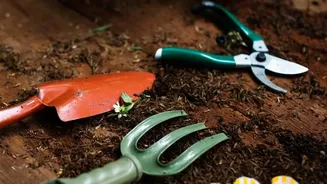
How you prune is as critical as when you prune. Always use tools that are clean and sharp. Dull blades can crush stems, creating ragged wounds that are slow to heal and invite disease. It’s good practice to disinfect your pruning shears with rubbing alcohol between plants, especially if you are removing diseased branches. When trimming a branch, make a clean, angled cut about a quarter-inch above a leaf node or an outward-facing bud. The angle helps rainwater run off the cut surface, preventing rot. Avoid pruning during the heat of the day or when foliage is wet, as this can stress the plant and increase the risk of spreading fungal spores.